Conveyor Metal Detector Machine - Advanced Contamination Detection for Production Lines

All Categories

Get a Free Quote

Our representative will contact you soon.
Email
Mobile/WhatsApp
Name
Company Name
Message
0/1000

conveyor metal detector machine

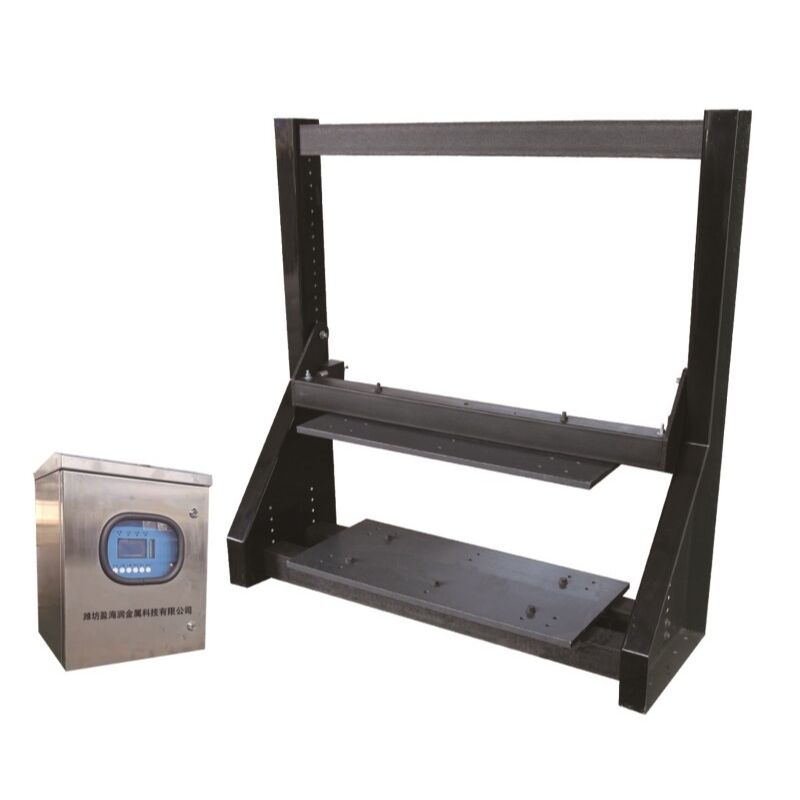
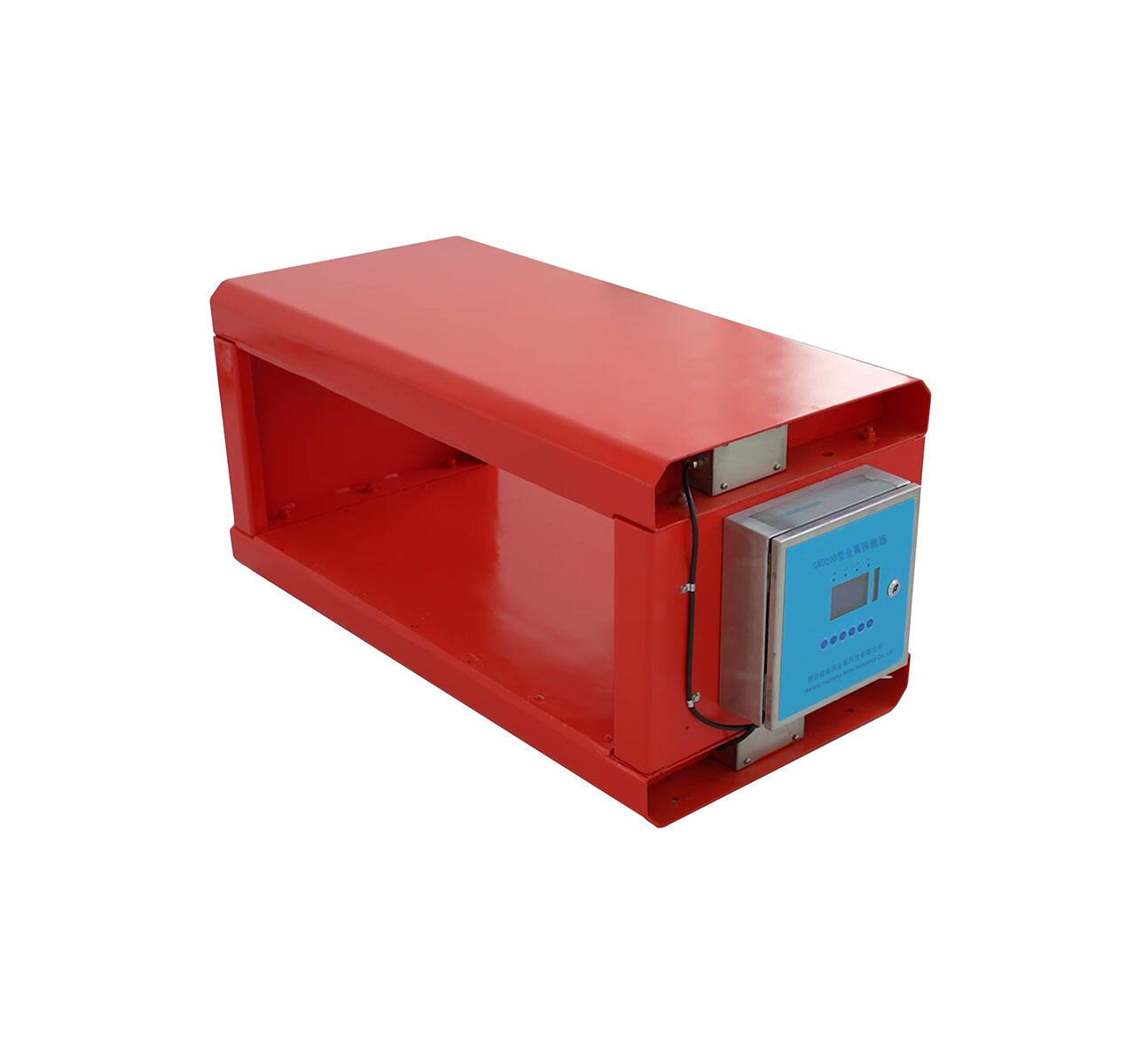
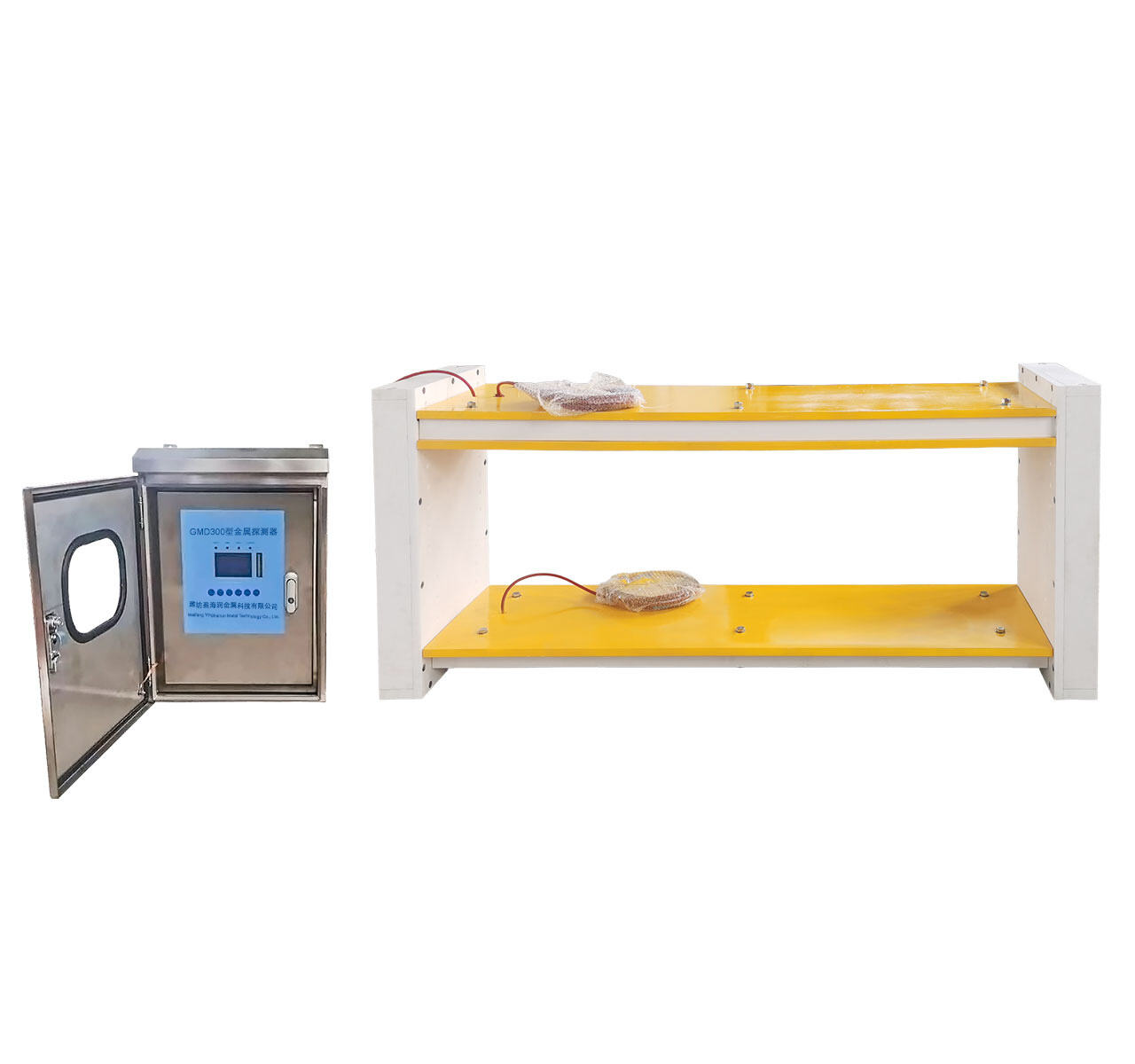
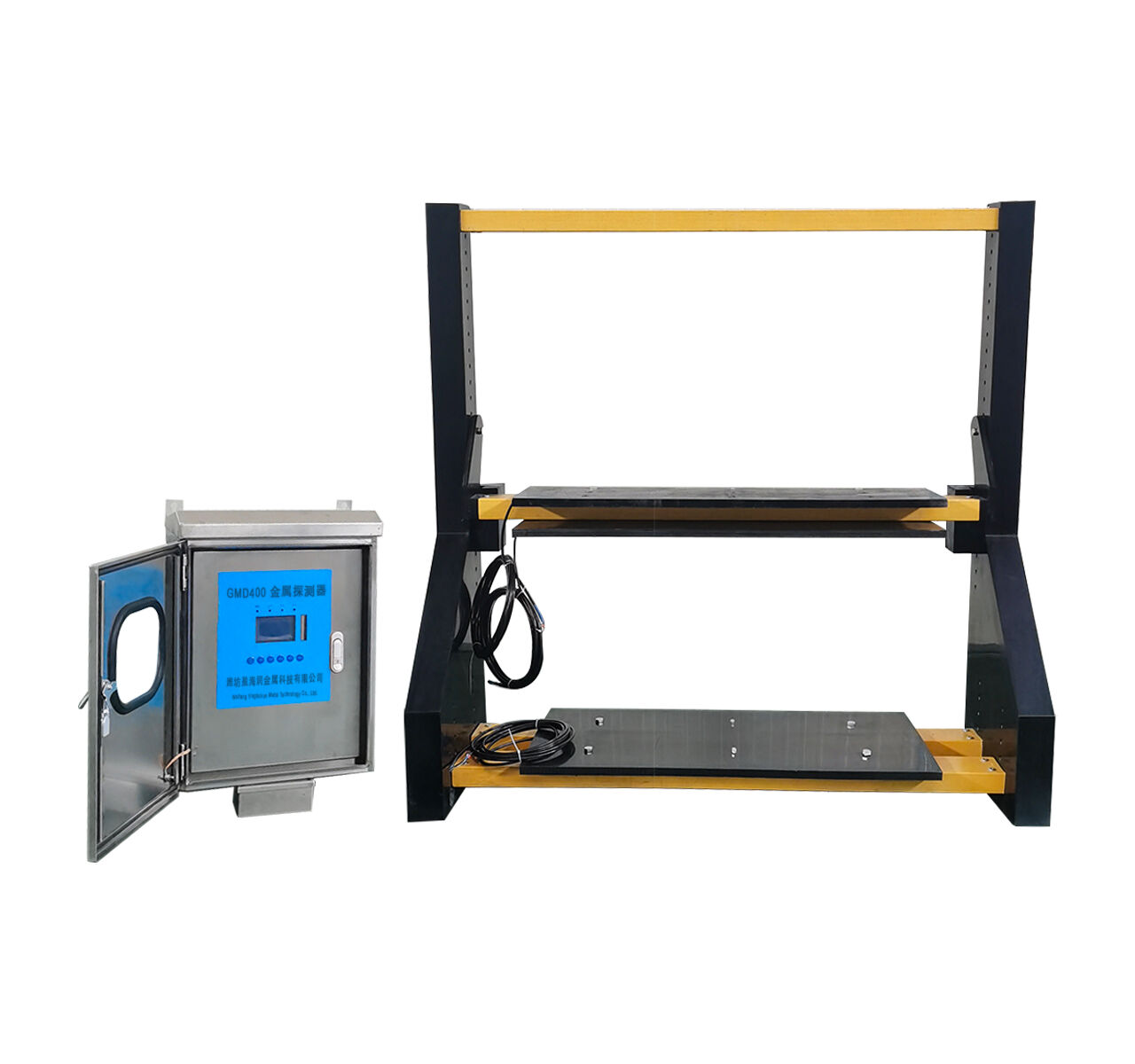
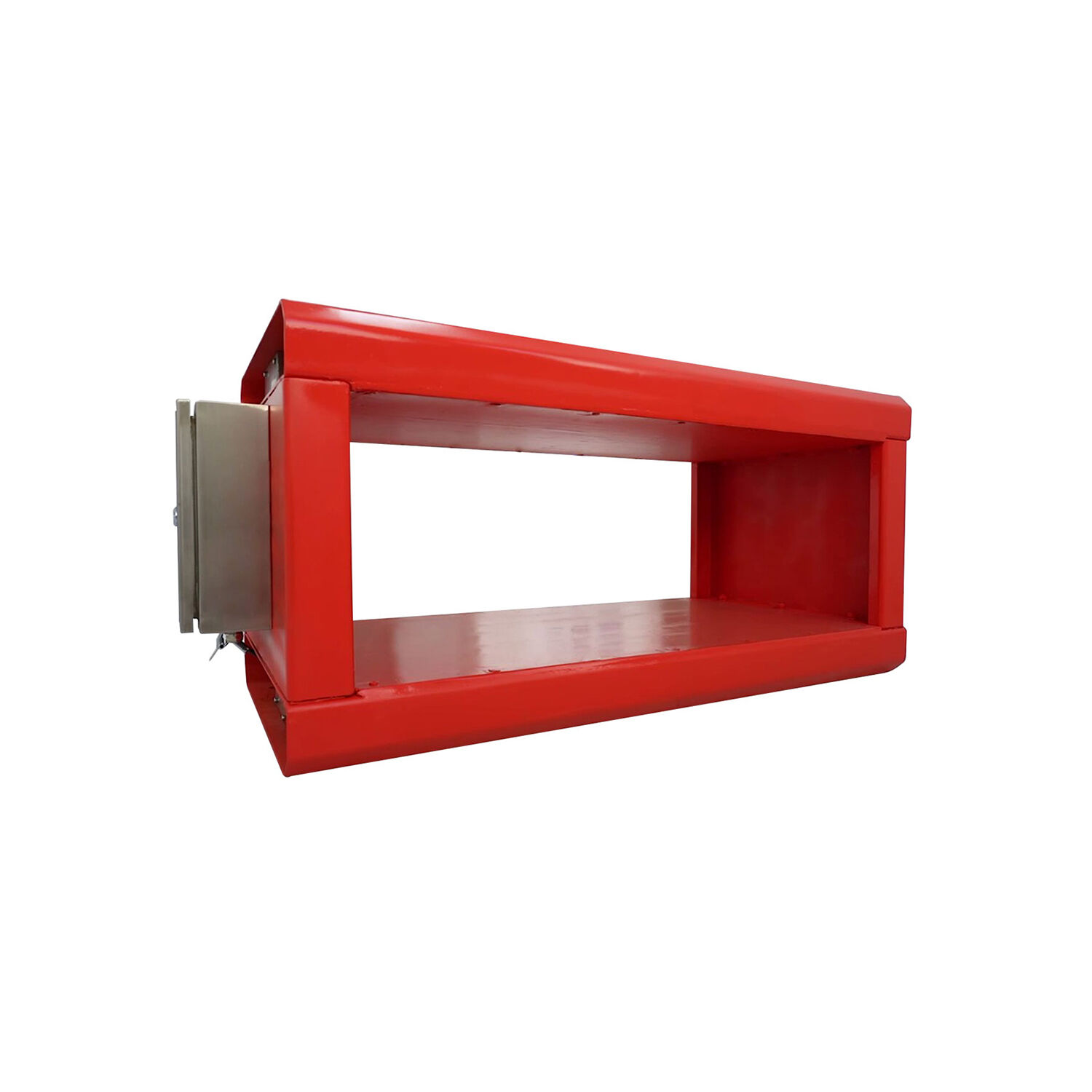
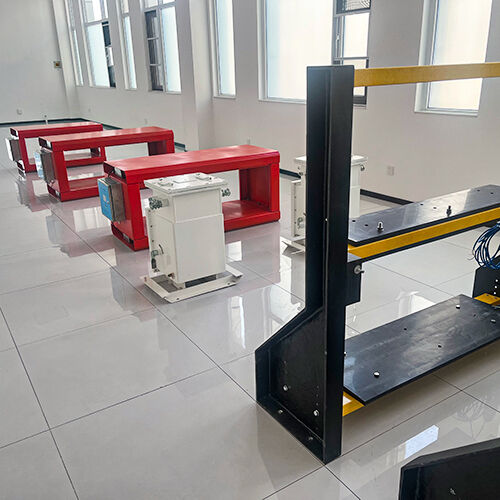
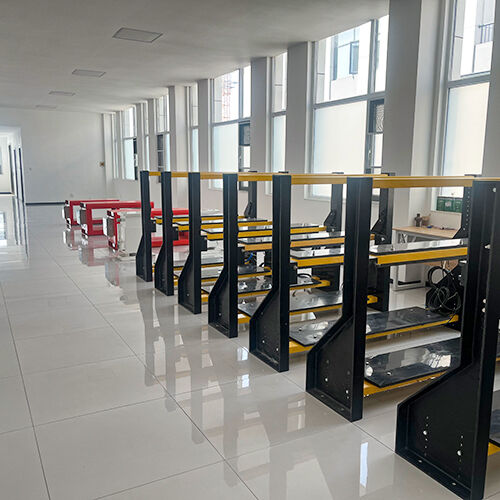
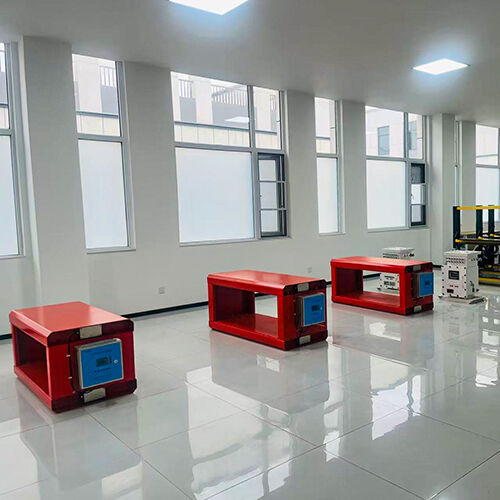
The conveyor metal detector machine represents a sophisticated inspection system designed to identify metallic contaminants within products as they move along production lines. This essential equipment combines electromagnetic field technology with automated conveyor systems to provide continuous monitoring capabilities for manufacturing facilities across various industries. The primary function of a conveyor metal detector machine involves creating a controlled electromagnetic field that detects the presence of ferrous, non-ferrous, and stainless steel particles within packaged or unpackaged products. When metallic objects pass through the detection zone, they disrupt the electromagnetic field, triggering immediate alerts and automated rejection mechanisms. Modern conveyor metal detector machines incorporate advanced digital signal processing technology, enabling them to distinguish between actual contaminants and product effects caused by conductive packaging materials or high-moisture content. The technological features of these systems include adjustable sensitivity settings, multi-frequency operation, and intelligent learning algorithms that adapt to specific product characteristics. Many models feature touchscreen interfaces that allow operators to configure detection parameters, monitor performance statistics, and access diagnostic information in real-time. The conveyor metal detector machine typically includes automatic product rejection systems that remove contaminated items without interrupting the production flow. These machines accommodate various product sizes and packaging formats, from small pharmaceutical tablets to large food containers. Applications for conveyor metal detector machines span numerous industries including food processing, pharmaceuticals, textiles, plastics, chemicals, and recycling operations. In food production facilities, these systems ensure compliance with safety regulations while protecting brand reputation and consumer health. Pharmaceutical manufacturers utilize conveyor metal detector machines to maintain product purity and meet stringent quality standards. The integration capabilities of modern conveyor metal detector machines allow seamless incorporation into existing production lines, supporting Industry 4.0 connectivity standards for comprehensive factory automation and data collection systems.

New Products

Conveyor metal detector machines deliver significant operational benefits that directly impact production efficiency and product quality assurance. These systems operate continuously during production runs, eliminating the need for manual inspection processes that slow down manufacturing workflows. The automated detection capabilities reduce labor costs while increasing inspection accuracy compared to human visual checks. Companies experience immediate improvements in product safety compliance, as the conveyor metal detector machine identifies contaminants that might otherwise reach consumers and cause serious health risks or legal liabilities. The real-time monitoring features enable immediate response to contamination incidents, preventing entire production batches from becoming compromised. This rapid detection saves substantial costs associated with product recalls, disposal fees, and brand damage recovery efforts. Modern conveyor metal detector machines provide exceptional sensitivity levels that detect extremely small metallic particles, ensuring comprehensive protection against various contamination sources including broken machinery parts, maintenance tools, jewelry, and raw material impurities. The versatility of these systems allows manufacturers to inspect diverse product types without requiring separate equipment investments. The conveyor metal detector machine adapts to different production speeds, package sizes, and product densities through programmable settings that optimize detection performance for specific applications. Integration capabilities enable these machines to communicate with existing factory management systems, providing valuable data analytics for quality control trending and preventive maintenance scheduling. The robust construction of industrial conveyor metal detector machines ensures reliable operation in challenging manufacturing environments, including areas with high humidity, temperature variations, and heavy production demands. Maintenance requirements remain minimal due to self-diagnostic features that alert operators to potential issues before they cause system failures. The return on investment for conveyor metal detector machine implementations typically occurs within months through reduced waste, fewer recalls, improved efficiency, and enhanced customer confidence. These systems also support regulatory compliance efforts by providing documented evidence of contamination monitoring procedures, which satisfies audit requirements and demonstrates due diligence in food safety and quality management programs.

Practical Tips

How Conveyor Belt Detectors Improve Food Safety Compliance

02

Apr

How Conveyor Belt Detectors Improve Food Safety Compliance

Food safety compliance has become increasingly critical in today's manufacturing environment, where contamination incidents can result in massive recalls, regulatory penalties, and permanent damage to brand reputation. The implementation of a conveyo...
View More
Evaluating Metal Detector Machine Suppliers in 2026

06

Apr

Evaluating Metal Detector Machine Suppliers in 2026

Selecting the right metal detector machine supplier has become increasingly complex in 2026, as businesses face evolving security requirements, technological advancements, and supply chain considerations. The metal detector machine market has expande...
View More
Designing a Conveyor Belt Metal Detector System for Productivity

11

Apr

Designing a Conveyor Belt Metal Detector System for Productivity

Designing an effective conveyor belt metal detector system requires careful consideration of multiple engineering factors that directly impact productivity in industrial operations. The integration of a conveyor belt metal detector into existing prod...
View More
How Tramp Metal Detectors Detect Non-Ferrous Contaminants

12

Apr

How Tramp Metal Detectors Detect Non-Ferrous Contaminants

Understanding how a tramp metal detector identifies non-ferrous contaminants requires examining the sophisticated electromagnetic principles behind modern detection technology. Unlike traditional metal detection systems that primarily focus on ferrou...
View More

Get a Free Quote

Our representative will contact you soon.
Email
Mobile/WhatsApp
Name
Company Name
Message
0/1000

conveyor metal detector machine

Advanced Multi-Frequency Detection Technology

Advanced Multi-Frequency Detection Technology

The conveyor metal detector machine utilizes cutting-edge multi-frequency detection technology that revolutionizes contamination identification capabilities across diverse manufacturing environments. This sophisticated system operates simultaneously across multiple frequency ranges, enabling it to detect various metallic contaminants with unprecedented accuracy while minimizing false rejections caused by product effects. The multi-frequency approach allows the conveyor metal detector machine to distinguish between actual metallic contamination and naturally occurring minerals or conductive properties within legitimate products. This technology proves particularly valuable when inspecting products with high salt content, moisture levels, or metallic packaging materials that traditionally challenge single-frequency systems. The intelligent frequency selection algorithms automatically optimize detection parameters based on product characteristics, ensuring consistent performance regardless of production variations. Manufacturers benefit from reduced product waste as the advanced detection technology eliminates unnecessary rejections while maintaining strict contamination control standards. The multi-frequency capability of the conveyor metal detector machine extends detection sensitivity to extremely small metallic particles, including stainless steel fragments that pose significant challenges for conventional detection systems. This enhanced sensitivity ensures comprehensive protection against various contamination sources, from microscopic metal shavings generated during processing to larger foreign objects that may accidentally enter production streams. The technology continuously adapts to changing production conditions through machine learning algorithms that improve detection accuracy over time. Operators can fine-tune frequency settings for specific product lines, creating customized detection profiles that optimize performance for different materials, package types, and contamination risks. The multi-frequency detection technology also provides superior immunity to environmental interference, ensuring reliable operation in electrically noisy manufacturing environments where motors, welders, and other electromagnetic devices might otherwise compromise detection performance. This advanced technological foundation makes the conveyor metal detector machine an indispensable asset for manufacturers seeking to maintain the highest quality standards while maximizing operational efficiency and minimizing false alarm disruptions.
Seamless Production Line Integration

Seamless Production Line Integration

The conveyor metal detector machine excels in seamless production line integration, offering manufacturers the flexibility to incorporate contamination detection capabilities without disrupting existing workflows or requiring extensive facility modifications. This integration advantage stems from the modular design philosophy that allows the system to adapt to various conveyor configurations, heights, and speeds commonly found in modern manufacturing facilities. The conveyor metal detector machine features adjustable mounting systems and customizable conveyor sections that align perfectly with existing production equipment, ensuring smooth product flow throughout the inspection process. This seamless integration eliminates bottlenecks that often occur when adding quality control equipment to established production lines. The system communicates effortlessly with upstream and downstream equipment through standard industrial protocols, enabling coordinated operation with packaging machines, labeling systems, case packers, and palletizing equipment. Manufacturers appreciate how the conveyor metal detector machine maintains production speeds while adding critical safety inspection capabilities. The integration process typically requires minimal downtime, as experienced technicians can install and commission these systems during planned maintenance windows without extending production interruptions. The modular construction allows for easy relocation or reconfiguration when production requirements change, protecting equipment investments and providing long-term operational flexibility. Advanced models of the conveyor metal detector machine include predictive maintenance features that integrate with factory management systems, providing early warnings about potential issues before they impact production schedules. The seamless integration extends to data connectivity, where the system shares inspection results, performance metrics, and operational status with enterprise resource planning systems and quality management databases. This connectivity enables comprehensive traceability documentation and supports continuous improvement initiatives through detailed analysis of contamination trends and detection performance. The user-friendly interface design ensures that existing production personnel can operate the conveyor metal detector machine effectively without extensive specialized training, further simplifying the integration process and reducing implementation costs for manufacturing organizations.
Comprehensive Contamination Protection

Comprehensive Contamination Protection

The conveyor metal detector machine delivers comprehensive contamination protection that addresses the full spectrum of metallic contamination risks encountered in modern manufacturing environments. This protection extends beyond basic metal detection to include sophisticated rejection systems, detailed documentation capabilities, and proactive contamination prevention strategies. The comprehensive approach begins with the ability to detect all magnetic and non-magnetic metals, including ferrous materials like iron and steel, non-ferrous metals such as aluminum and copper, and challenging stainless steel contaminants that require specialized detection techniques. The conveyor metal detector machine provides adjustable sensitivity settings for different metal types, ensuring optimal detection performance while minimizing false alarms that could disrupt production efficiency. The protection system includes automatic reject mechanisms that immediately remove contaminated products from the production stream without operator intervention, preventing contaminated items from reaching packaging or distribution stages. These rejection systems can be configured for various removal methods, including air blast rejection, pusher arms, or diverter gates, depending on product characteristics and production line requirements. The comprehensive protection features extend to detailed logging and reporting capabilities that document every detection event, providing valuable data for quality assurance programs and regulatory compliance documentation. The conveyor metal detector machine maintains electronic records of inspection parameters, sensitivity settings, calibration checks, and contamination incidents, creating comprehensive audit trails that support food safety certifications and quality management system requirements. Environmental protection features ensure reliable operation in challenging manufacturing conditions, including washdown environments, dusty atmospheres, and areas with extreme temperature variations. The robust construction and sealed enclosures protect sensitive detection components while maintaining precise calibration over extended operating periods. The comprehensive contamination protection includes preventive features such as automatic self-testing routines that verify system functionality at regular intervals, ensuring continuous protection reliability. Advanced diagnostic capabilities help identify potential contamination sources within production processes, enabling manufacturers to implement corrective actions that prevent future contamination incidents rather than simply detecting problems after they occur.


Get a Free Quote

Our representative will contact you soon.
Email
Mobile/WhatsApp
Name
Company Name
Message
0/1000