Belt Metal Sensor: Advanced Metal Detection Technology for Industrial Quality Control

All Categories

Get a Free Quote

Our representative will contact you soon.
Email
Mobile/WhatsApp
Name
Company Name
Message
0/1000

belt metal sensor

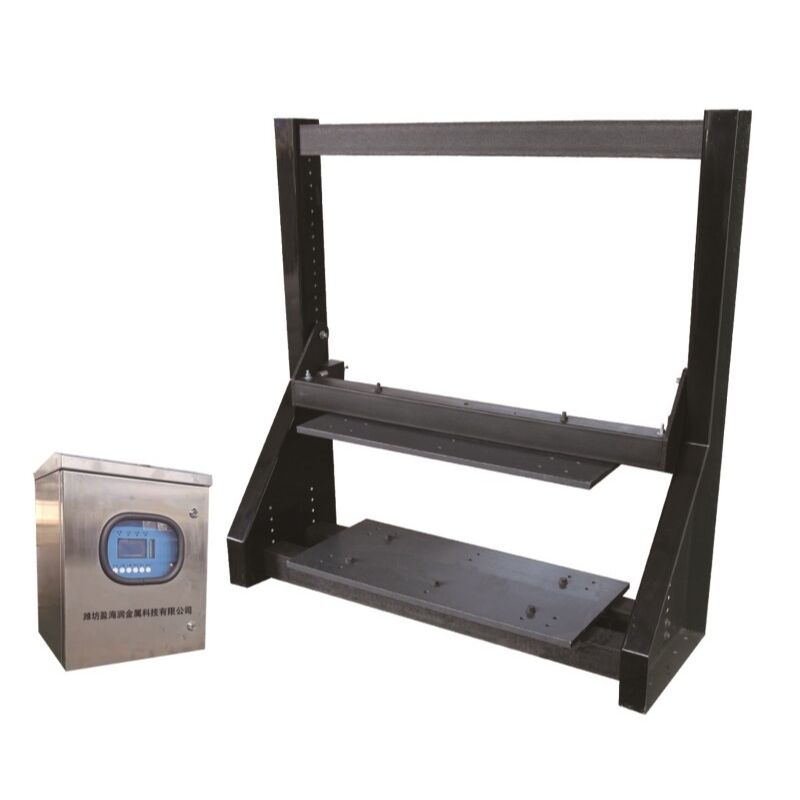
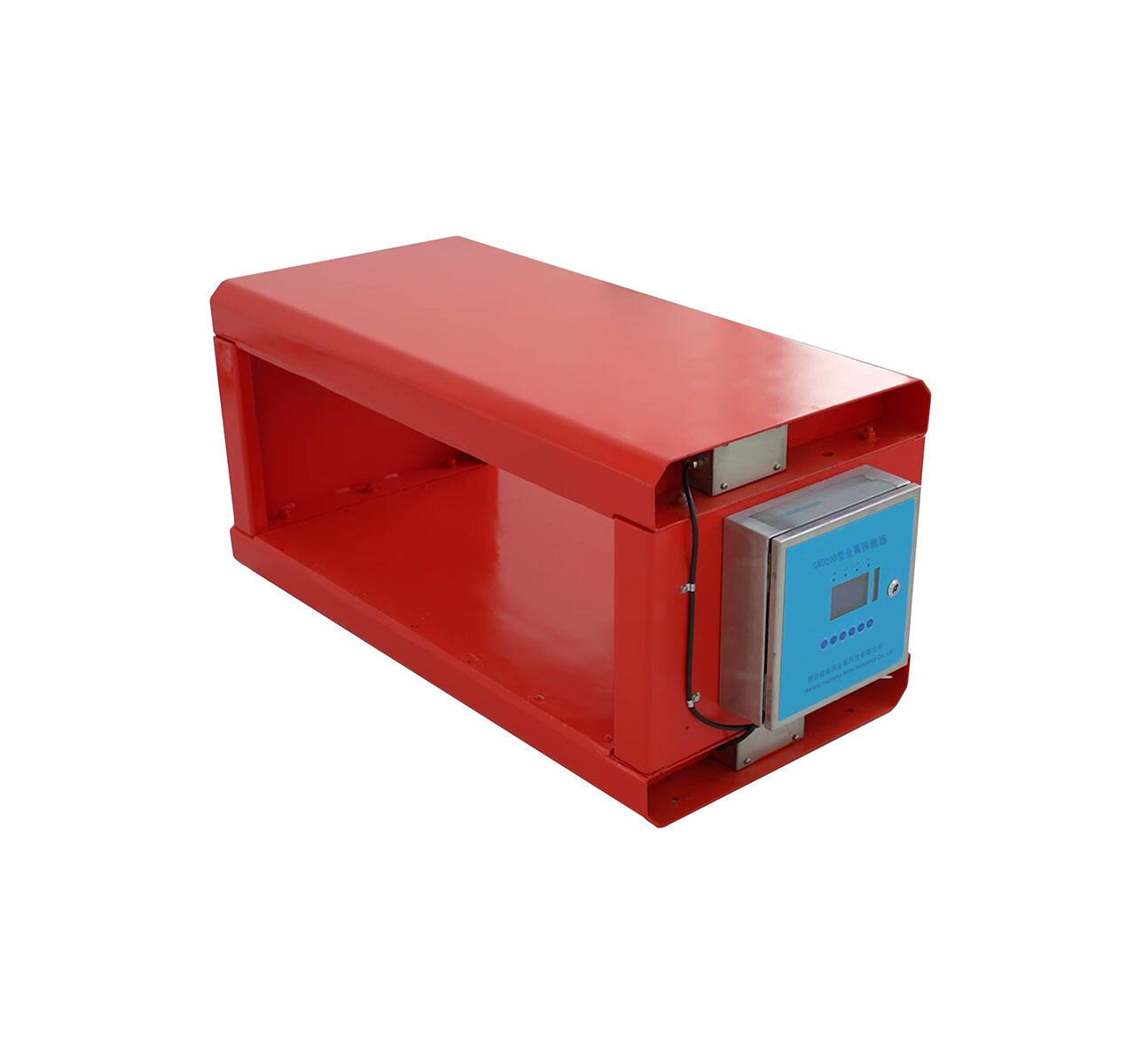
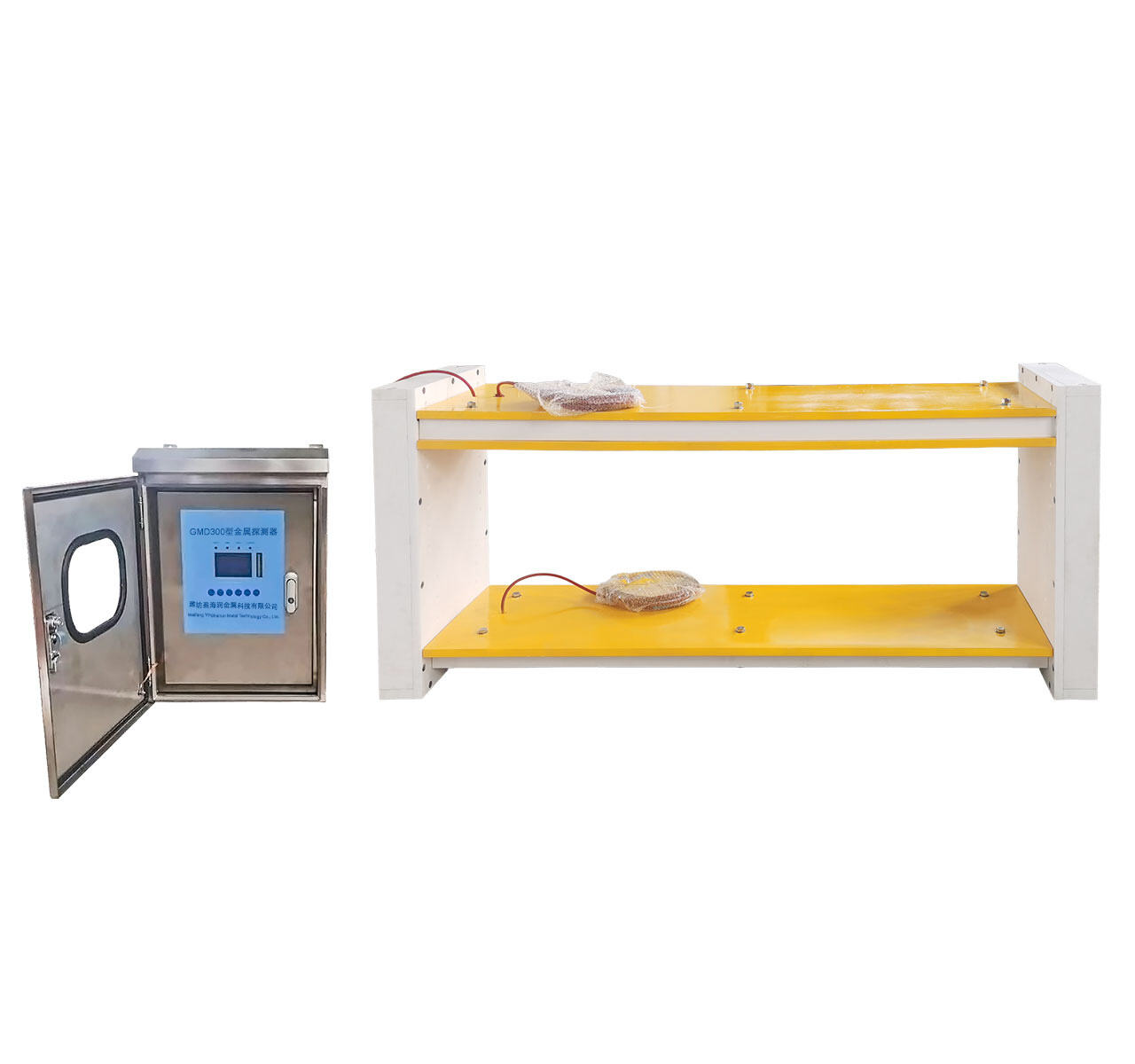
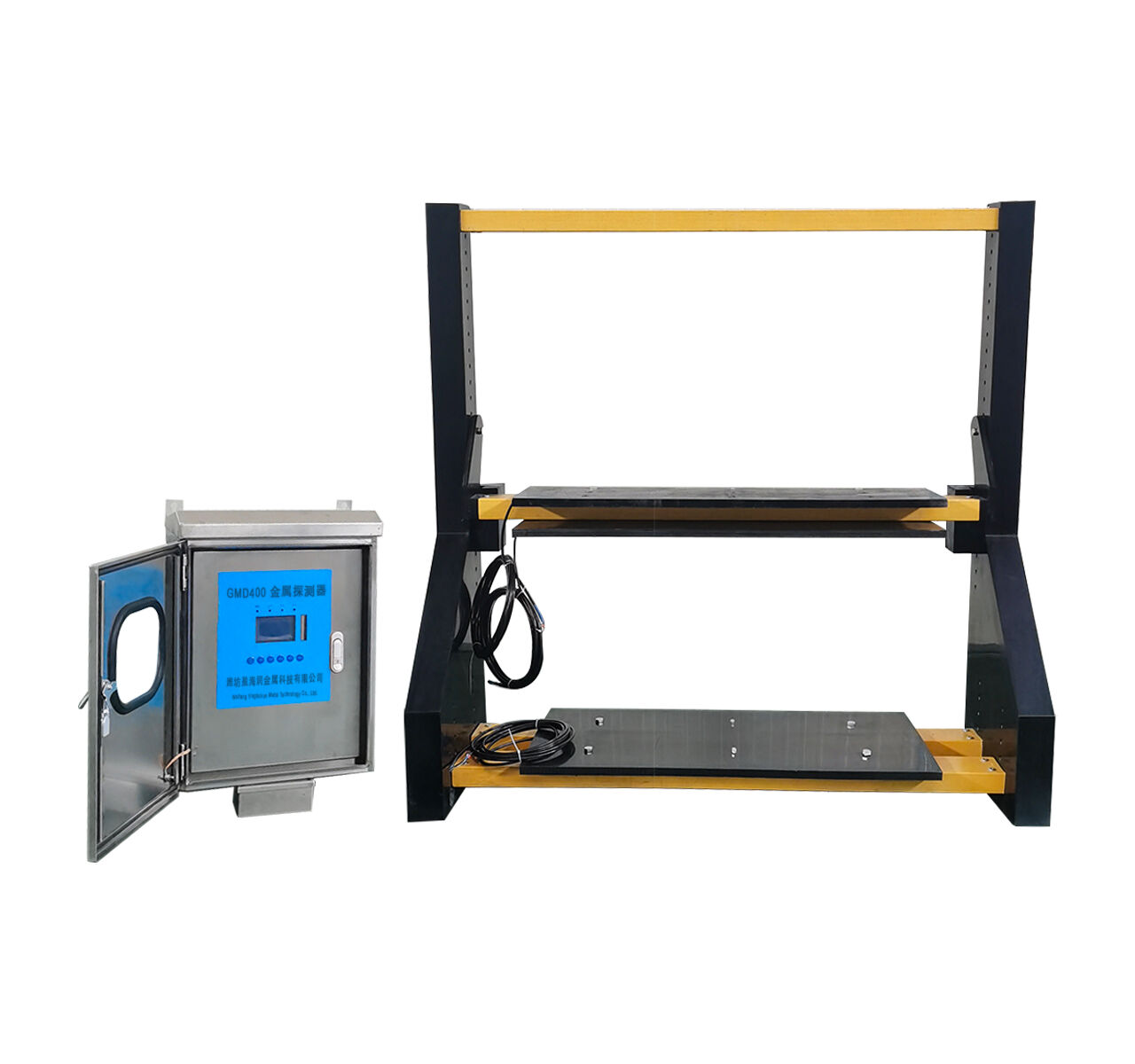
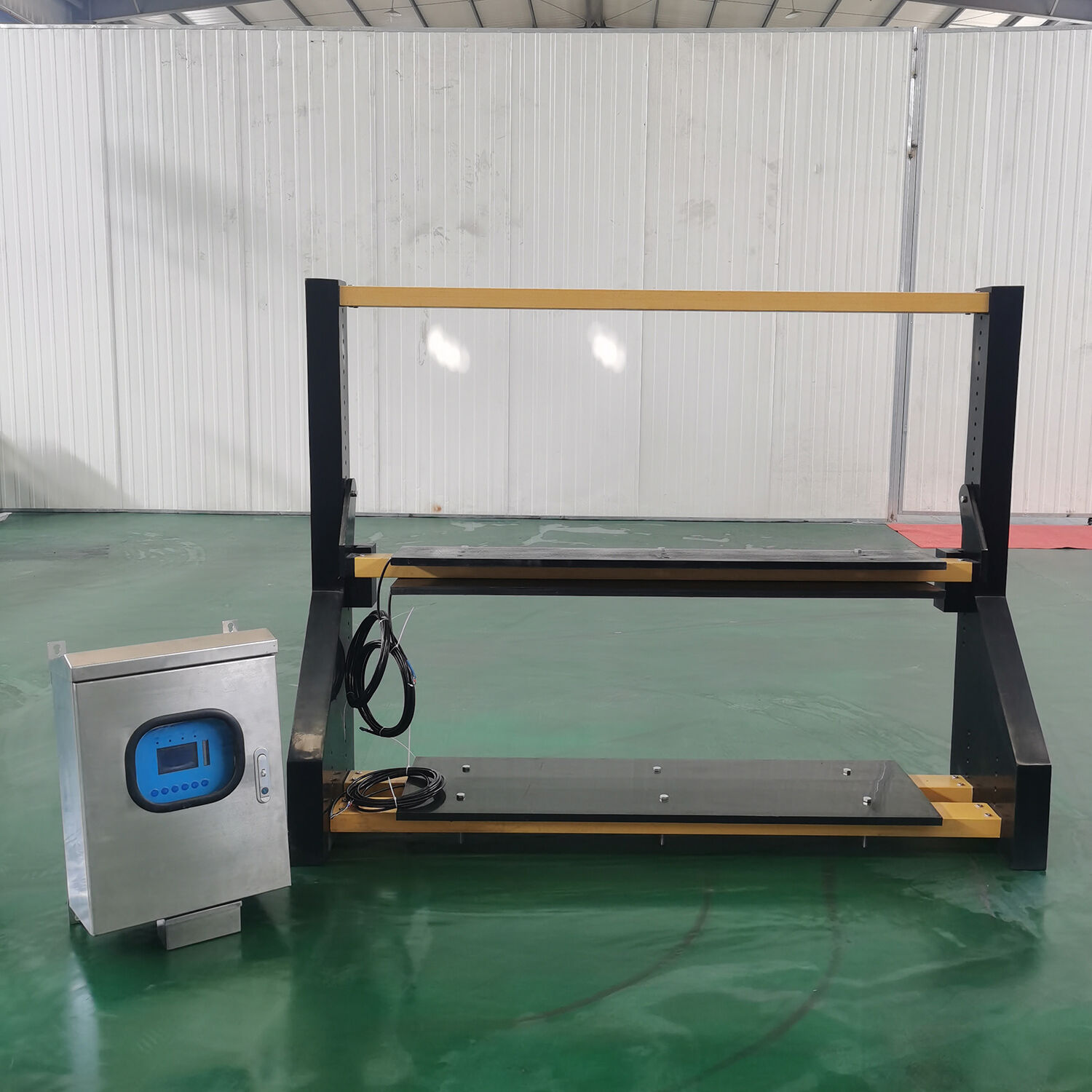
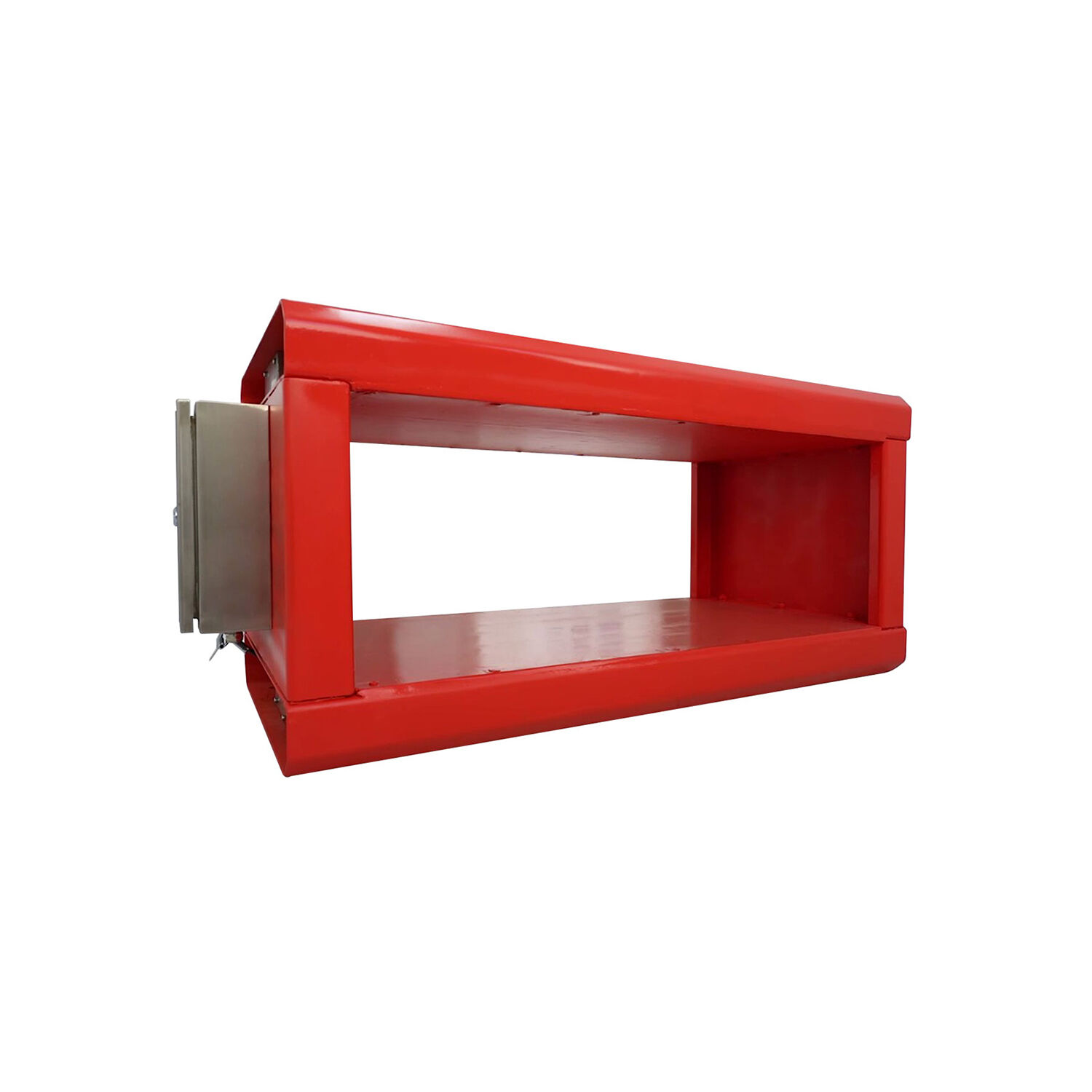
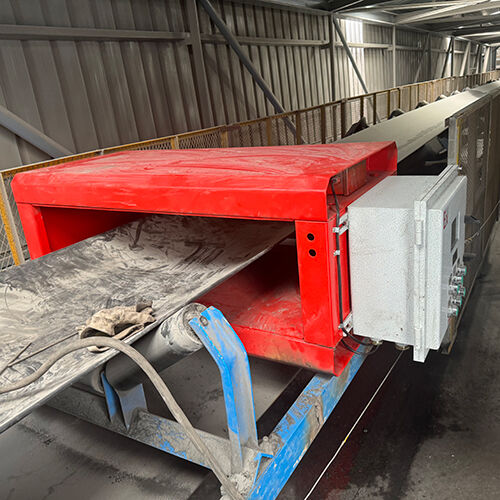
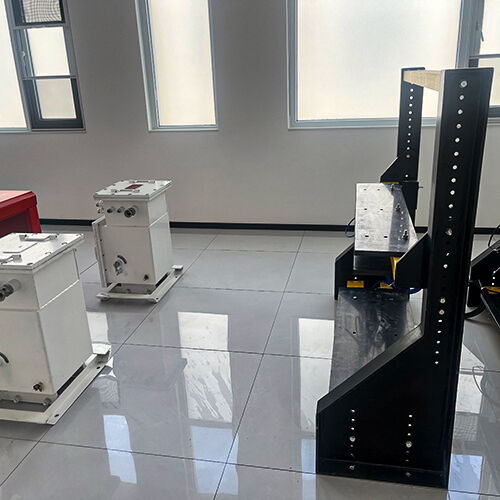
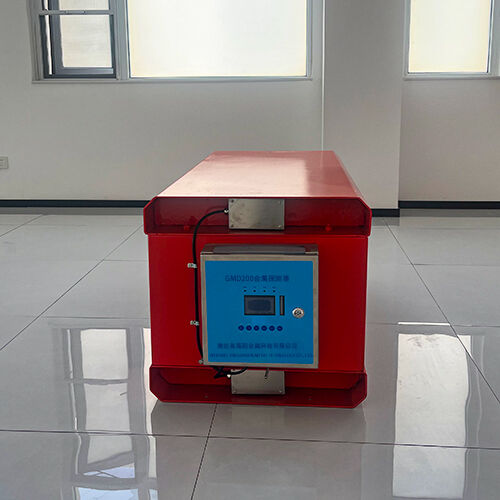
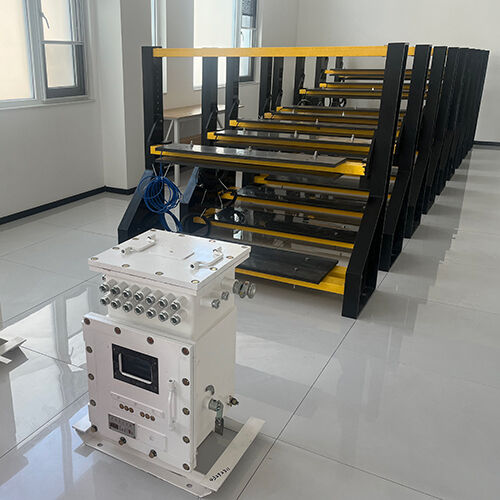
The belt metal sensor represents a sophisticated detection technology designed to identify metallic contaminants in conveyor belt systems across various industrial applications. This advanced sensing equipment utilizes electromagnetic field principles to detect even the smallest metal particles that may contaminate products during manufacturing, processing, or packaging operations. The belt metal sensor integrates seamlessly into existing conveyor systems, providing continuous monitoring without interrupting production workflows. Its primary function involves scanning products as they pass through the detection zone, immediately alerting operators when metal contamination is discovered. The technology employs multiple frequency capabilities, allowing it to distinguish between different types of metals including ferrous, non-ferrous, and stainless steel materials. Modern belt metal sensor systems feature digital signal processing that enhances detection accuracy while minimizing false alarms caused by product effects or environmental interference. The equipment typically includes user-friendly touchscreen interfaces that display real-time detection status, contamination logs, and system diagnostics. Many models offer automatic rejection mechanisms that remove contaminated products from the production line without manual intervention. The belt metal sensor incorporates self-monitoring capabilities that continuously verify system performance and alert maintenance personnel to any operational issues. These devices are constructed with food-grade materials and IP65 protection ratings, making them suitable for harsh industrial environments including wet cleaning procedures. The sensitivity levels can be precisely calibrated to meet specific product requirements and industry standards. Integration capabilities allow the belt metal sensor to communicate with plant management systems, providing valuable production data and contamination statistics. The technology supports various belt widths and product sizes, from small packaged goods to large industrial components, making it versatile for diverse manufacturing environments.

New Products

Belt metal sensor technology delivers substantial operational benefits that directly impact production efficiency and product quality standards. The primary advantage lies in its ability to provide continuous, real-time contamination detection without slowing down production processes. Unlike manual inspection methods, the belt metal sensor operates at high speeds, scanning hundreds of products per minute while maintaining exceptional accuracy levels. This automation significantly reduces labor costs associated with quality control procedures and eliminates human error factors that can compromise detection reliability. The technology offers superior sensitivity compared to traditional metal detection methods, capable of identifying metal particles as small as 0.5mm in diameter depending on the metal type and product characteristics. This enhanced detection capability protects consumers from potentially harmful contaminants while safeguarding brand reputation and reducing liability risks. The belt metal sensor provides immediate feedback through visual and audible alarms, enabling rapid response to contamination events and preventing large quantities of affected products from reaching customers. Cost savings extend beyond labor reduction, as early contamination detection prevents expensive product recalls, regulatory fines, and potential legal issues. The equipment requires minimal maintenance due to its robust construction and self-diagnostic features, resulting in lower total ownership costs over the device's operational lifetime. Energy efficiency represents another significant advantage, as modern belt metal sensor units consume minimal power while delivering maximum performance. The technology adapts to various product types and packaging materials without requiring extensive reconfiguration, providing flexibility for manufacturers with diverse product lines. Integration capabilities enable seamless connection to existing quality management systems, creating comprehensive contamination tracking and reporting functions. The belt metal sensor supports predictive maintenance strategies through continuous monitoring of system performance parameters, helping prevent unexpected downtime. Environmental sustainability benefits include reduced waste generation through precise contamination identification and removal, supporting corporate environmental responsibility initiatives. Return on investment typically occurs within months of installation due to improved efficiency, reduced waste, and enhanced quality control capabilities.

Latest News

Mining Metal Detector Sensitivity vs. External Interference

01

Apr

Mining Metal Detector Sensitivity vs. External Interference

Mining metal detector sensitivity represents a critical balance between detection capability and operational reliability in challenging industrial environments. The relationship between sensitivity levels and external interference determines how effe...
View More
How Conveyor Belt Detectors Improve Food Safety Compliance

02

Apr

How Conveyor Belt Detectors Improve Food Safety Compliance

Food safety compliance has become increasingly critical in today's manufacturing environment, where contamination incidents can result in massive recalls, regulatory penalties, and permanent damage to brand reputation. The implementation of a conveyo...
View More
Digital Signal Processing in Modern Tramp Metal Detectors

04

Apr

Digital Signal Processing in Modern Tramp Metal Detectors

Digital signal processing has revolutionized the effectiveness and reliability of modern tramp metal detector systems across industrial applications. Unlike traditional analog detection methods, digital signal processing enables these safety devices ...
View More
Reliable Mine Metal Detectors for Primary Crusher Protection

05

Apr

Reliable Mine Metal Detectors for Primary Crusher Protection

Primary crushers in mining operations face constant threats from metallic contaminants that can cause devastating equipment damage, costly downtime, and significant safety hazards. A reliable mine metal detector serves as the critical first line of d...
View More

Get a Free Quote

Our representative will contact you soon.
Email
Mobile/WhatsApp
Name
Company Name
Message
0/1000

belt metal sensor

Advanced Multi-Frequency Detection Technology

Advanced Multi-Frequency Detection Technology

The belt metal sensor employs cutting-edge multi-frequency detection technology that revolutionizes contamination identification in industrial processing environments. This sophisticated system operates simultaneously across multiple electromagnetic frequencies, typically ranging from 50kHz to 1MHz, enabling it to detect various metal types with unprecedented precision. The multi-frequency approach allows the belt metal sensor to distinguish between different metallic materials, including ferrous metals like iron and steel, non-ferrous metals such as aluminum and copper, and challenging stainless steel components. This discrimination capability prevents false rejections while ensuring genuine contaminants are reliably identified. The technology automatically adjusts frequency parameters based on product characteristics, optimizing detection sensitivity for each specific application. Digital signal processing algorithms analyze frequency responses in real-time, filtering out product effects that could cause false alarms while enhancing actual contamination signals. The belt metal sensor's advanced circuitry compensates for environmental factors such as temperature fluctuations, humidity changes, and electromagnetic interference from nearby equipment. This ensures consistent performance regardless of operating conditions. The multi-frequency system also enables the detection of metal contaminants embedded within metallized packaging materials, a challenge that single-frequency systems often struggle to overcome. Operators can fine-tune frequency settings through intuitive software interfaces, allowing customization for specific product requirements and contamination risks. The technology provides detailed contamination analysis, including metal type identification and approximate size estimation, helping manufacturers trace contamination sources and implement preventive measures. This advanced detection capability significantly enhances food safety, pharmaceutical quality, and industrial product integrity standards.

Intelligent Automatic Rejection System

Intelligent Automatic Rejection System

The belt metal sensor incorporates an intelligent automatic rejection system that represents a quantum leap in contamination management efficiency and reliability. This sophisticated mechanism operates with lightning-fast response times, typically removing contaminated products from the production line within 200-300 milliseconds of detection. The system utilizes precise pneumatic or mechanical rejection devices that are synchronized with belt speed and product positioning to ensure accurate removal of contaminated items while leaving clean products undisturbed. Advanced tracking algorithms monitor each product's position from the detection point to the rejection zone, accounting for belt speed variations and product spacing irregularities. The belt metal sensor's rejection system features multiple operational modes, including single product removal, batch rejection for clustered contamination, and selective rejection based on metal type identification. Machine learning capabilities enable the system to adapt to various product shapes, sizes, and packaging configurations, optimizing rejection accuracy over time. The intelligent system maintains detailed logs of all rejection events, including timestamps, contamination characteristics, and rejection success rates, providing valuable data for quality analysis and process improvement. Fail-safe mechanisms ensure that if the rejection system malfunctions, the belt metal sensor automatically stops the conveyor or triggers alarm systems to prevent contaminated products from proceeding downstream. The rejection mechanism is designed for easy maintenance and adjustment, with quick-change components that minimize downtime during routine servicing. Integration with upstream and downstream equipment allows coordinated responses to contamination events, such as automatic line stops or product diversion to quarantine areas. The system's reliability reduces the need for secondary inspection processes while providing confidence in contamination removal effectiveness.
Comprehensive Data Management and Connectivity

Comprehensive Data Management and Connectivity

The belt metal sensor features comprehensive data management and connectivity capabilities that transform contamination detection into a strategic quality management tool. Built-in data logging systems capture detailed information about every product inspection, including detection results, system performance metrics, and operational parameters. This extensive data collection enables manufacturers to identify contamination trends, optimize detection settings, and implement predictive maintenance strategies. The belt metal sensor supports various communication protocols including Ethernet, RS-485, and wireless connectivity options, facilitating seamless integration with existing manufacturing execution systems and enterprise resource planning platforms. Real-time data streaming allows quality managers to monitor multiple detection points remotely, creating centralized oversight of contamination control across entire production facilities. Historical data analysis capabilities help identify patterns in contamination sources, enabling proactive measures to prevent future incidents. The system generates comprehensive reports that support regulatory compliance requirements and customer audit processes. Cloud connectivity options enable remote monitoring and support, allowing technical experts to provide assistance and system optimization from distant locations. The belt metal sensor's data management system includes automatic backup functions and data security features that protect sensitive production information. Integration with statistical process control systems enables real-time quality monitoring and automatic adjustment of production parameters based on contamination detection data. Mobile device compatibility allows supervisors and technicians to access system information and receive alerts regardless of their location within the facility. The connectivity features support Industry 4.0 initiatives by providing the data infrastructure necessary for smart manufacturing implementations. Advanced analytics capabilities help optimize detection sensitivity settings based on historical performance data and contamination patterns, continuously improving system effectiveness while minimizing false rejections.

Get a Free Quote

Our representative will contact you soon.
Email
Mobile/WhatsApp
Name
Company Name
Message
0/1000