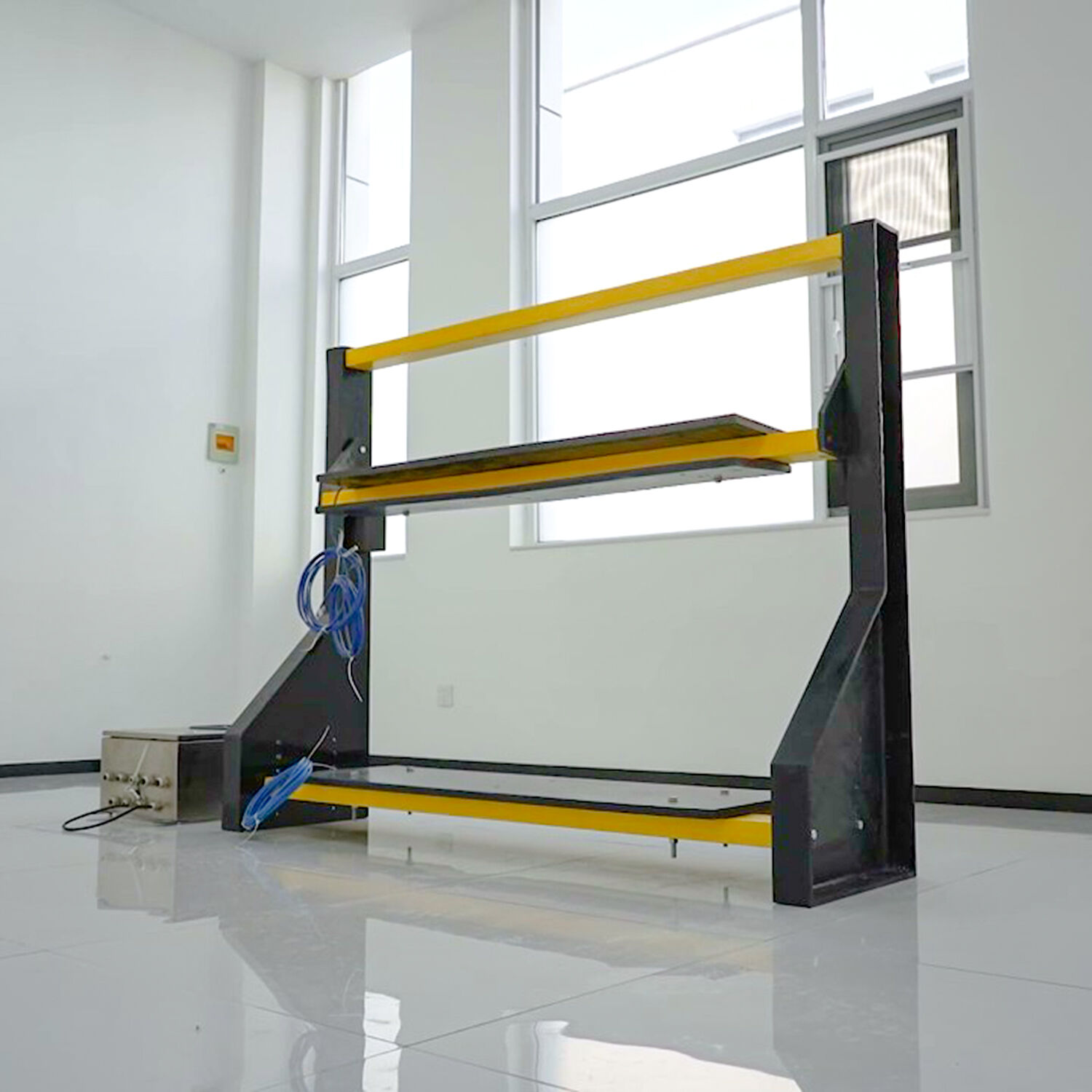
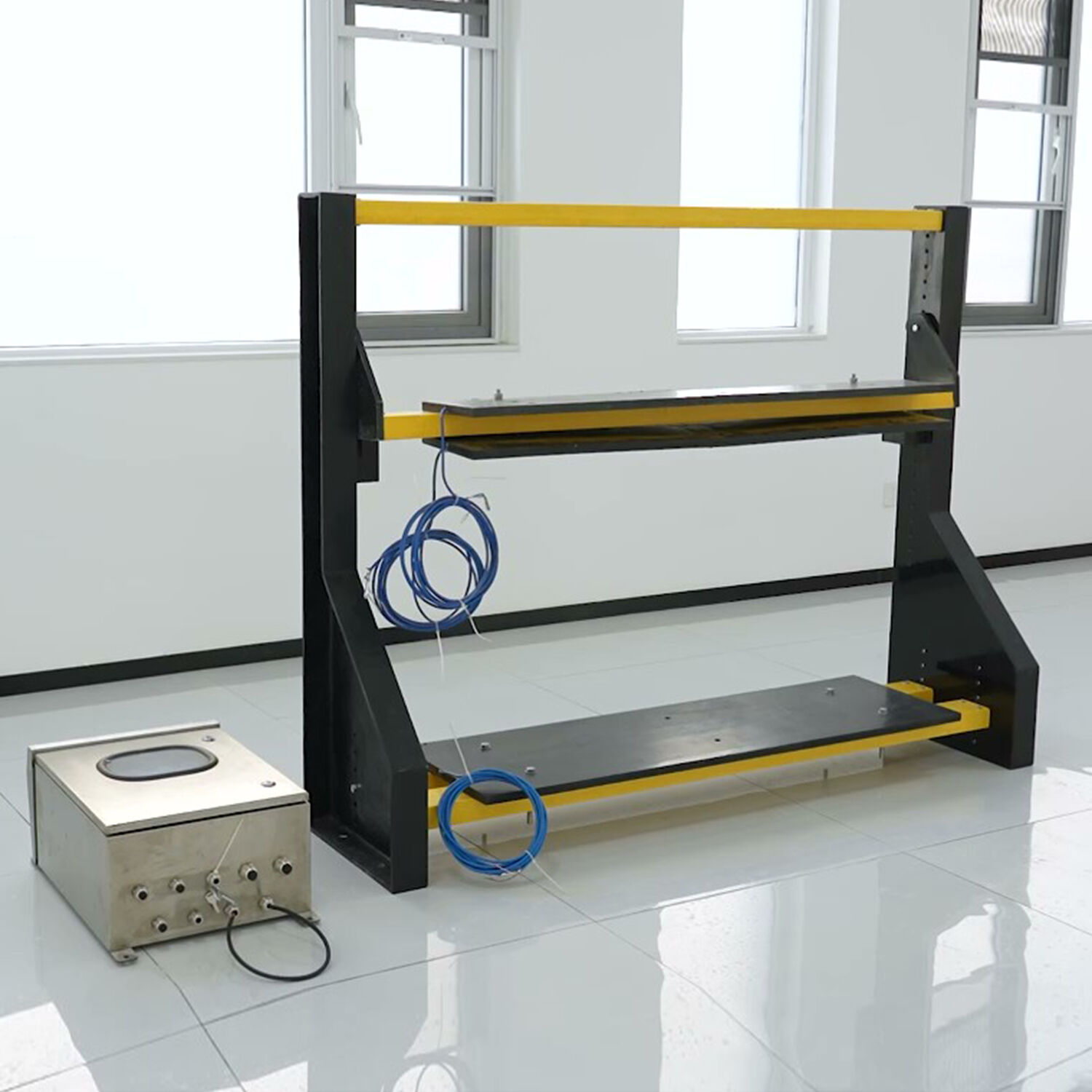
Intelligent Rejection System with Precision Control
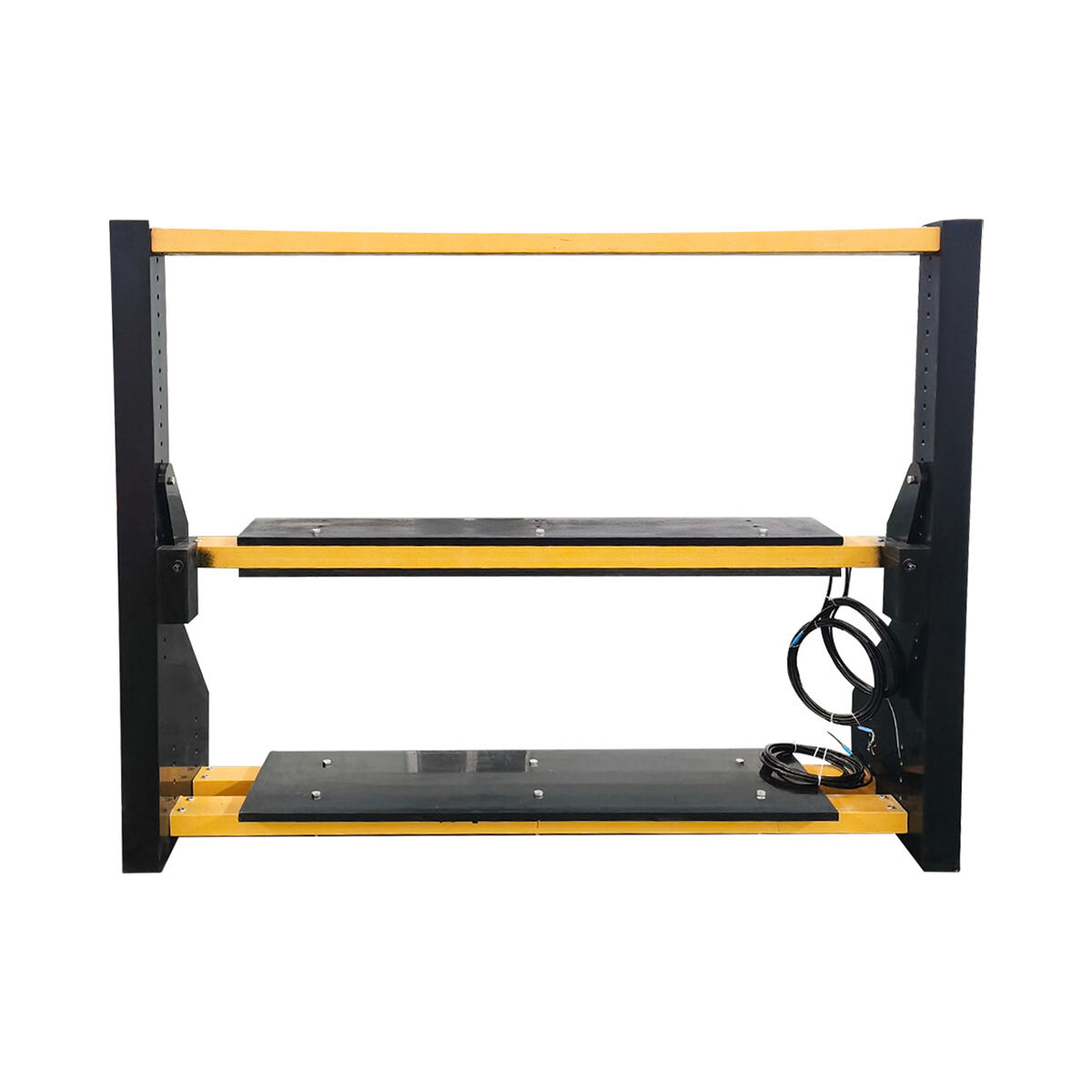
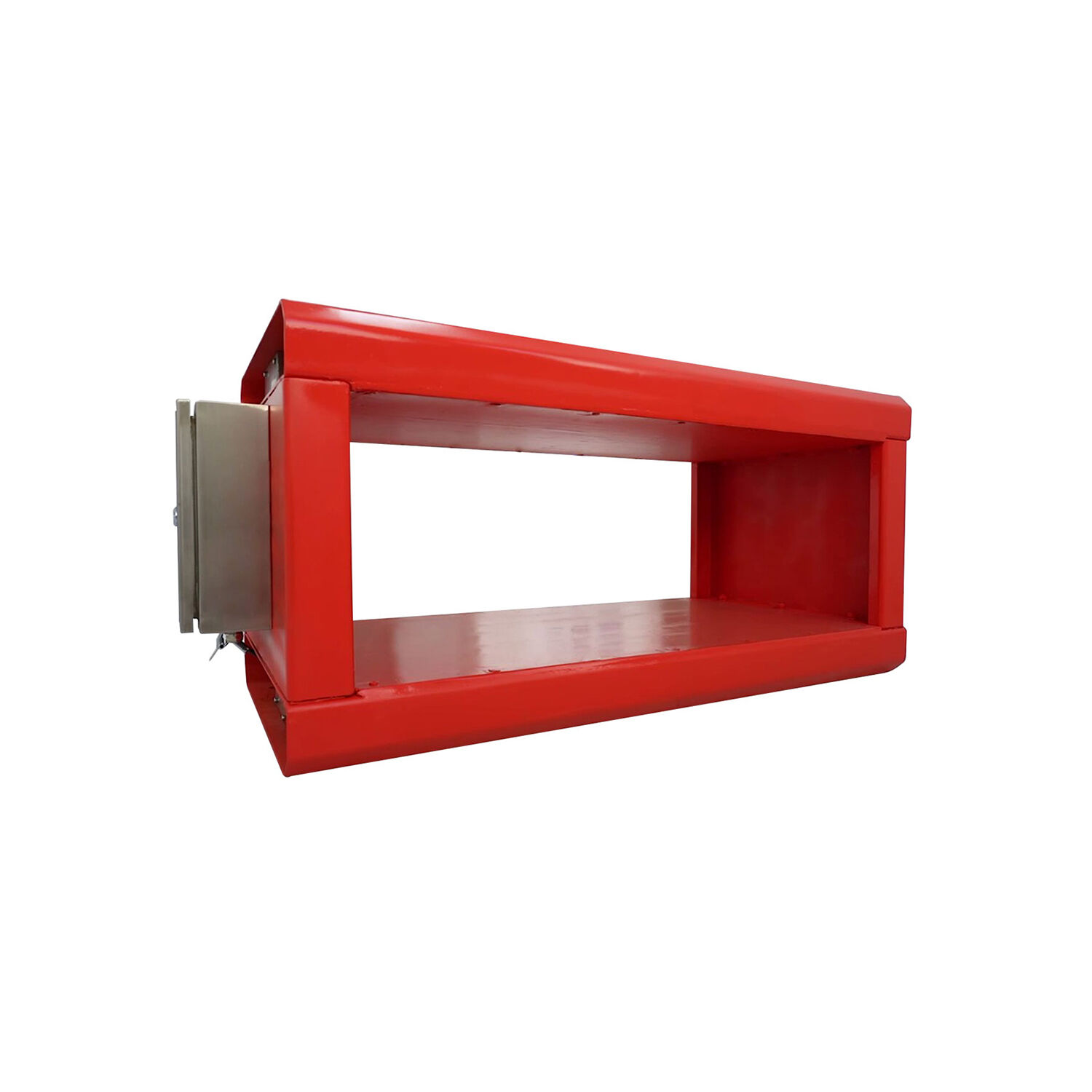
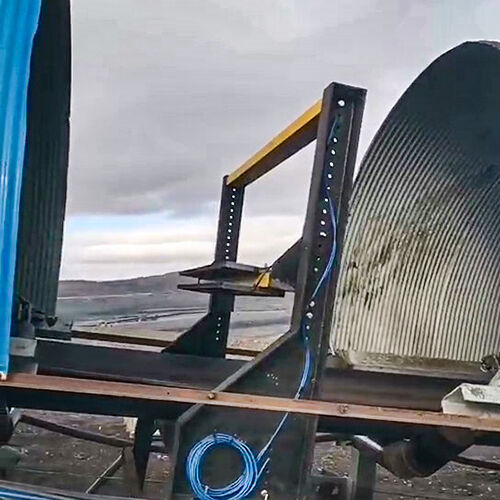
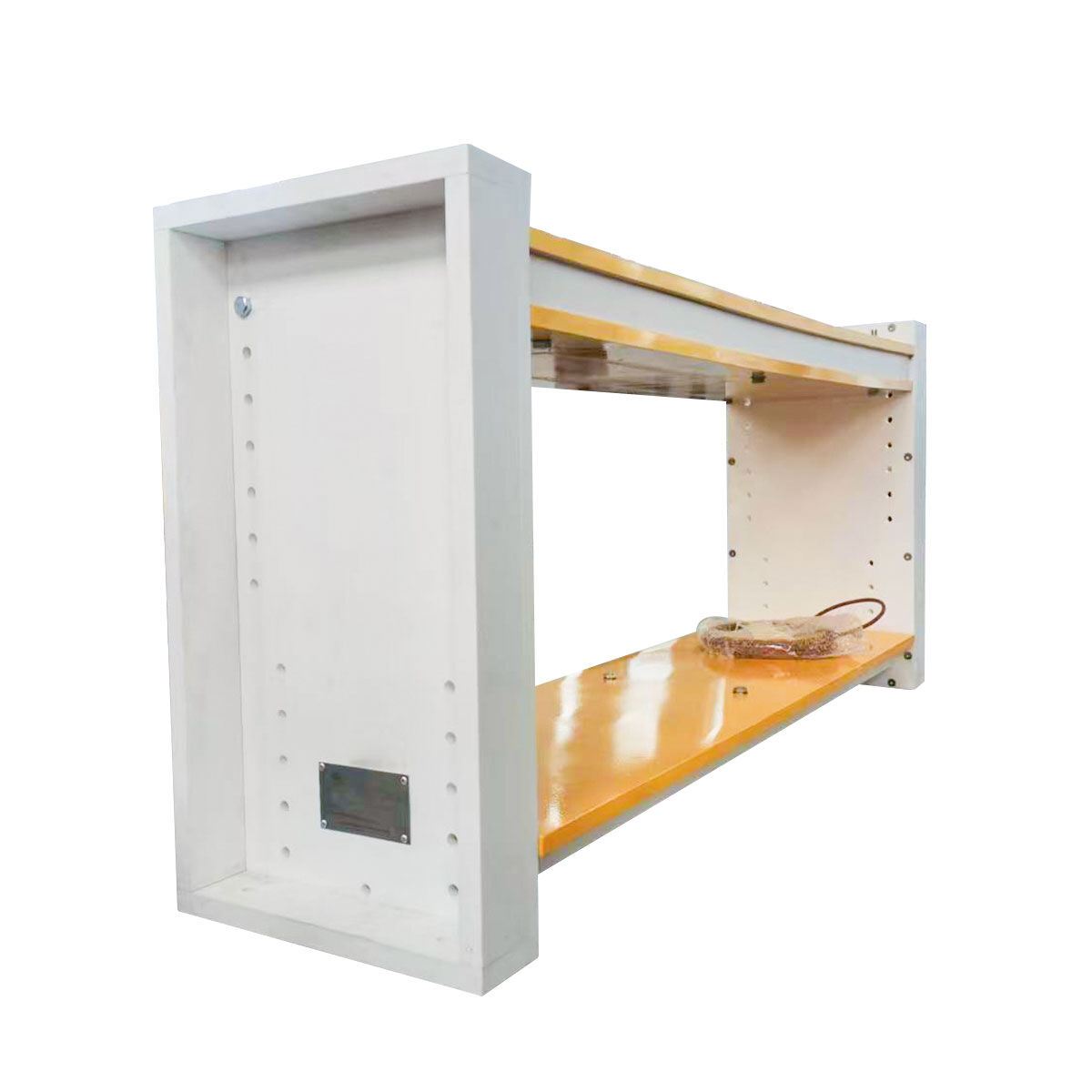
The conveyor belt metal detector for industrial use features an intelligent rejection system that combines speed, accuracy, and gentle product handling to ensure contaminated items are removed efficiently without disrupting clean product flow or causing unnecessary waste. This sophisticated rejection mechanism utilizes precise timing calculations based on conveyor speed, product dimensions, and detection zone positioning to activate removal systems at exactly the right moment for optimal contamination elimination. The system supports multiple rejection methods including compressed air jets, mechanical pushers, retractable belts, and drop-through gates, allowing manufacturers to select the most appropriate removal technique based on product characteristics and production line configuration. The conveyor belt metal detector for industrial use incorporates advanced tracking algorithms that monitor individual products from detection through rejection, ensuring accurate targeting even with irregular product spacing or varying conveyor speeds. Reject confirmation sensors verify successful contamination removal, automatically stopping production lines if rejection systems fail to operate properly, thereby preventing contaminated products from continuing downstream. The intelligent system learns from operational patterns, automatically adjusting rejection timing and force parameters to optimize performance for specific product types while minimizing false rejects that waste valuable materials. Gentle handling capabilities protect fragile products during the rejection process, utilizing controlled air pressure or soft mechanical contacts that remove contaminated items without damaging packaging or product integrity. The conveyor belt metal detector for industrial use maintains detailed rejection statistics, tracking contamination frequency, rejection success rates, and system performance metrics that support quality improvement initiatives and regulatory reporting requirements. Integration with upstream and downstream equipment enables coordinated responses to contamination events, including automatic feeding adjustments or downstream equipment notifications that optimize overall line efficiency. The rejection system's modular design facilitates easy maintenance and component replacement, minimizing downtime and ensuring consistent operational reliability throughout extended production periods. Customizable rejection parameters allow fine-tuning based on product value, contamination risk levels, and production requirements, ensuring optimal balance between safety assurance and operational efficiency across diverse manufacturing applications.
 EN
EN