Professional Coal Metal Detector Systems - Advanced Contamination Detection for Mining Operations

All Categories

Get a Free Quote

Our representative will contact you soon.
Email
Mobile/WhatsApp
Name
Company Name
Message
0/1000

coal metal detector

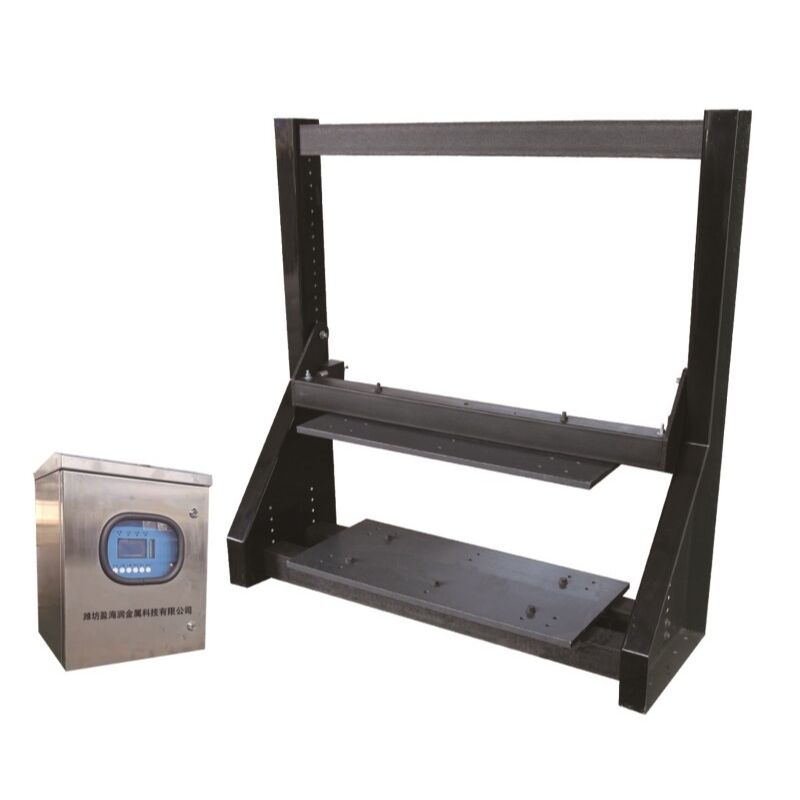
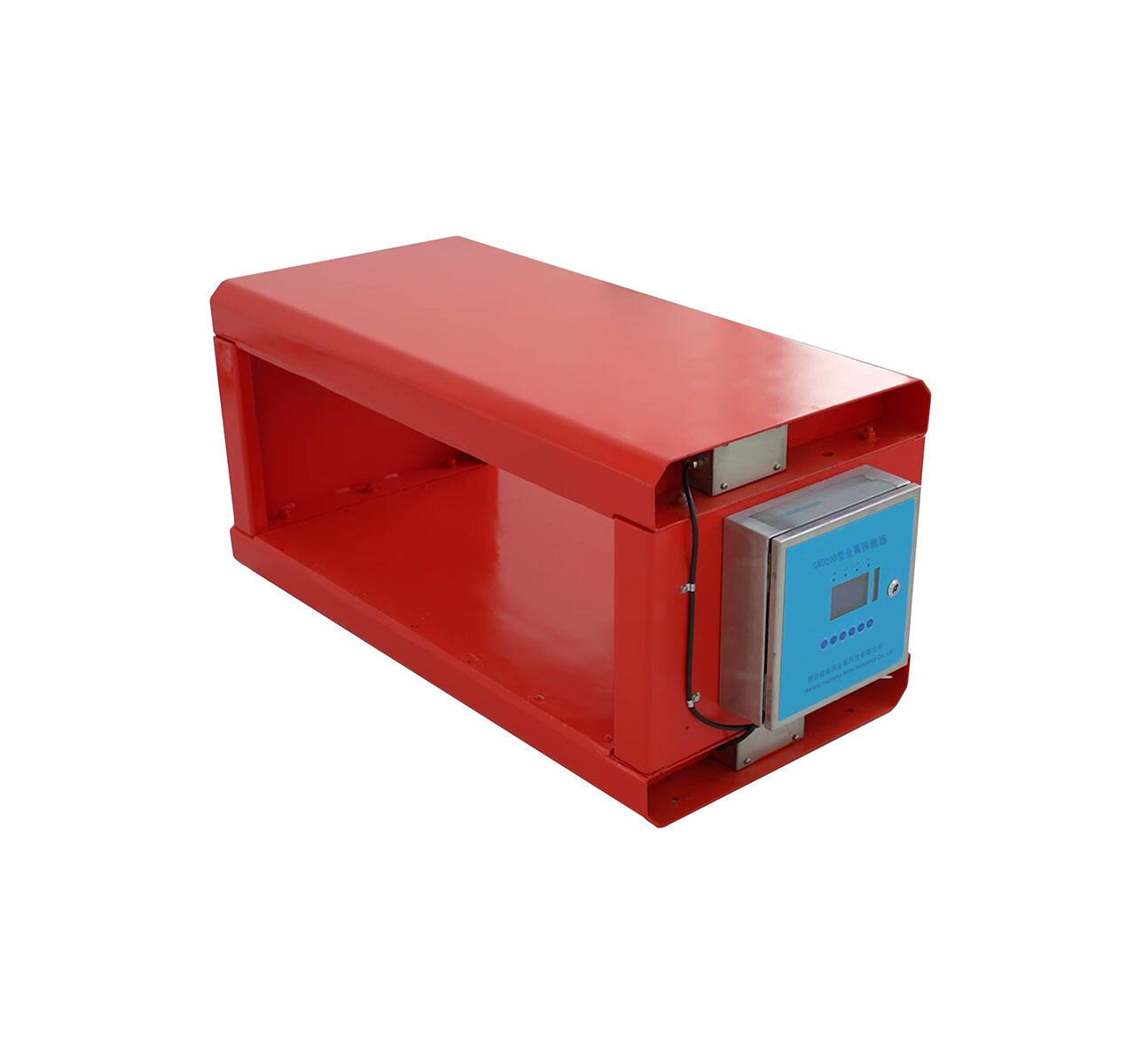
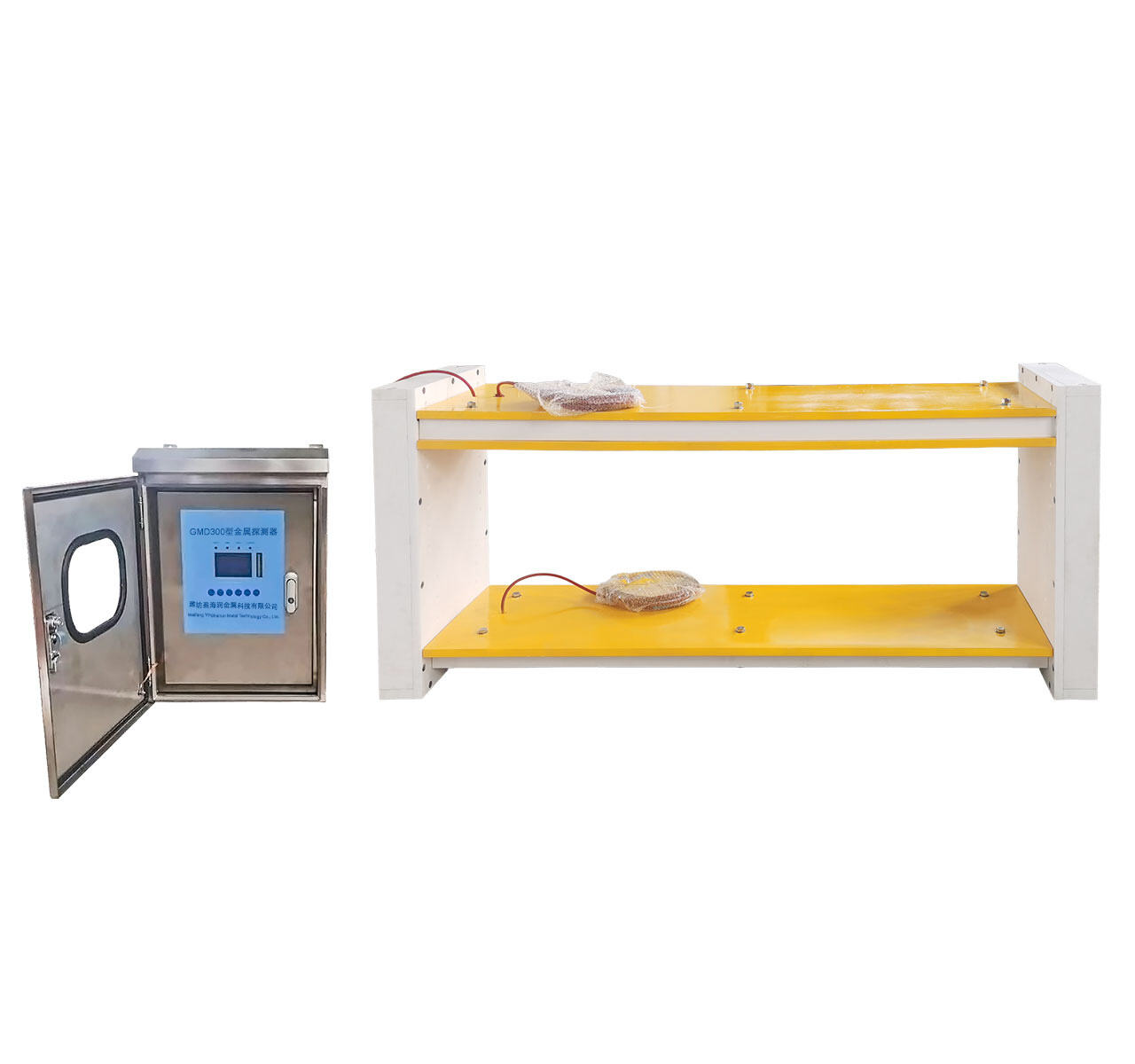
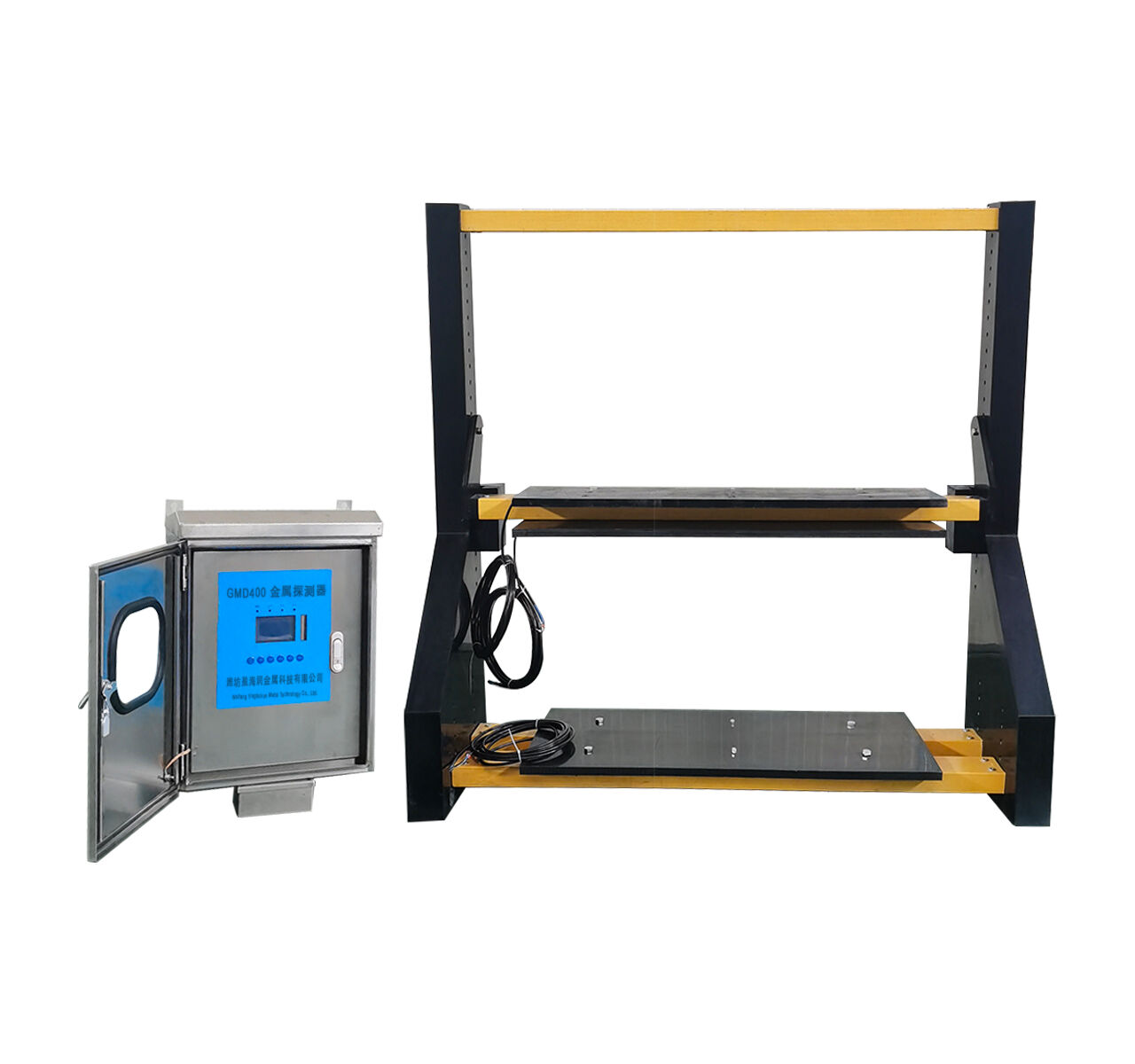
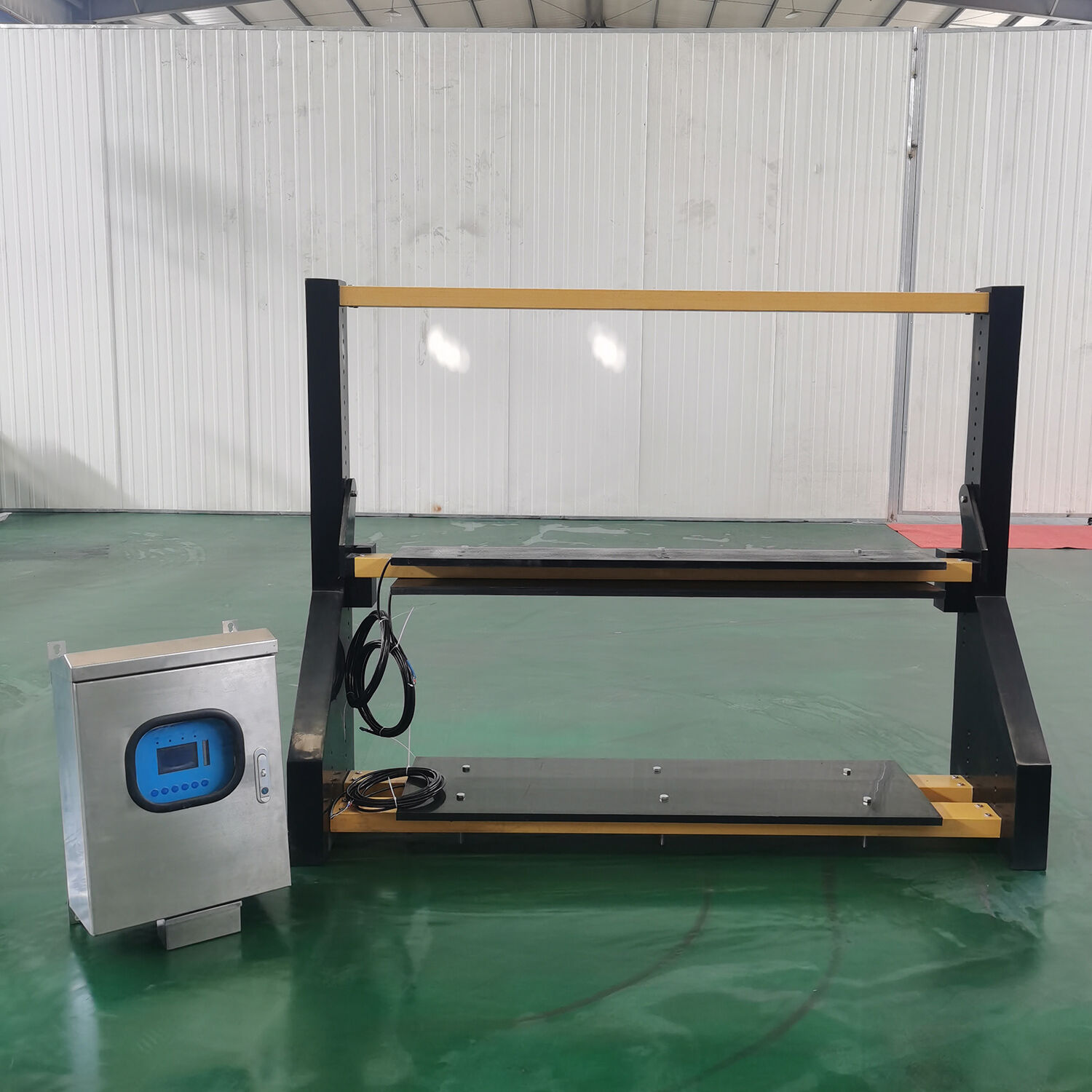
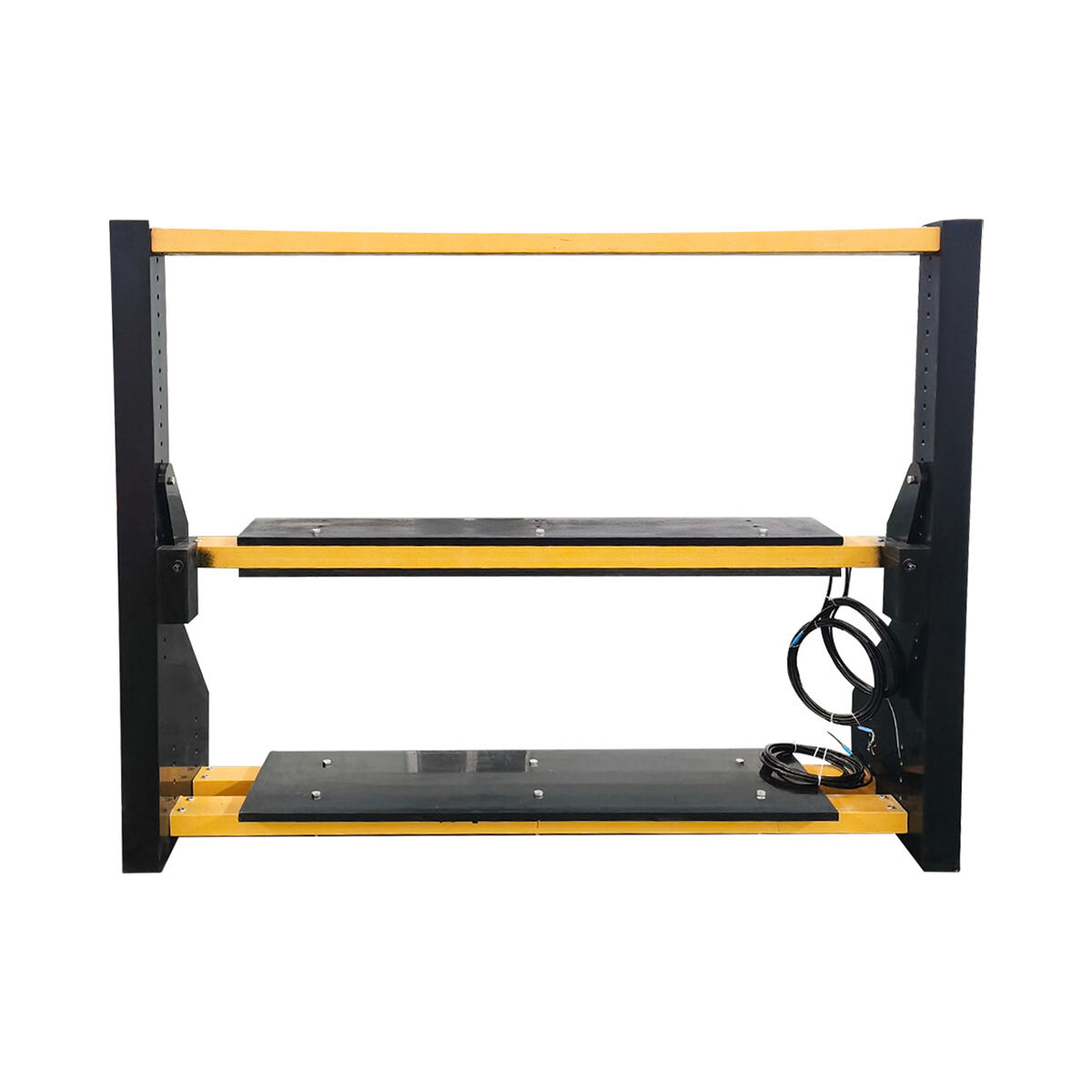
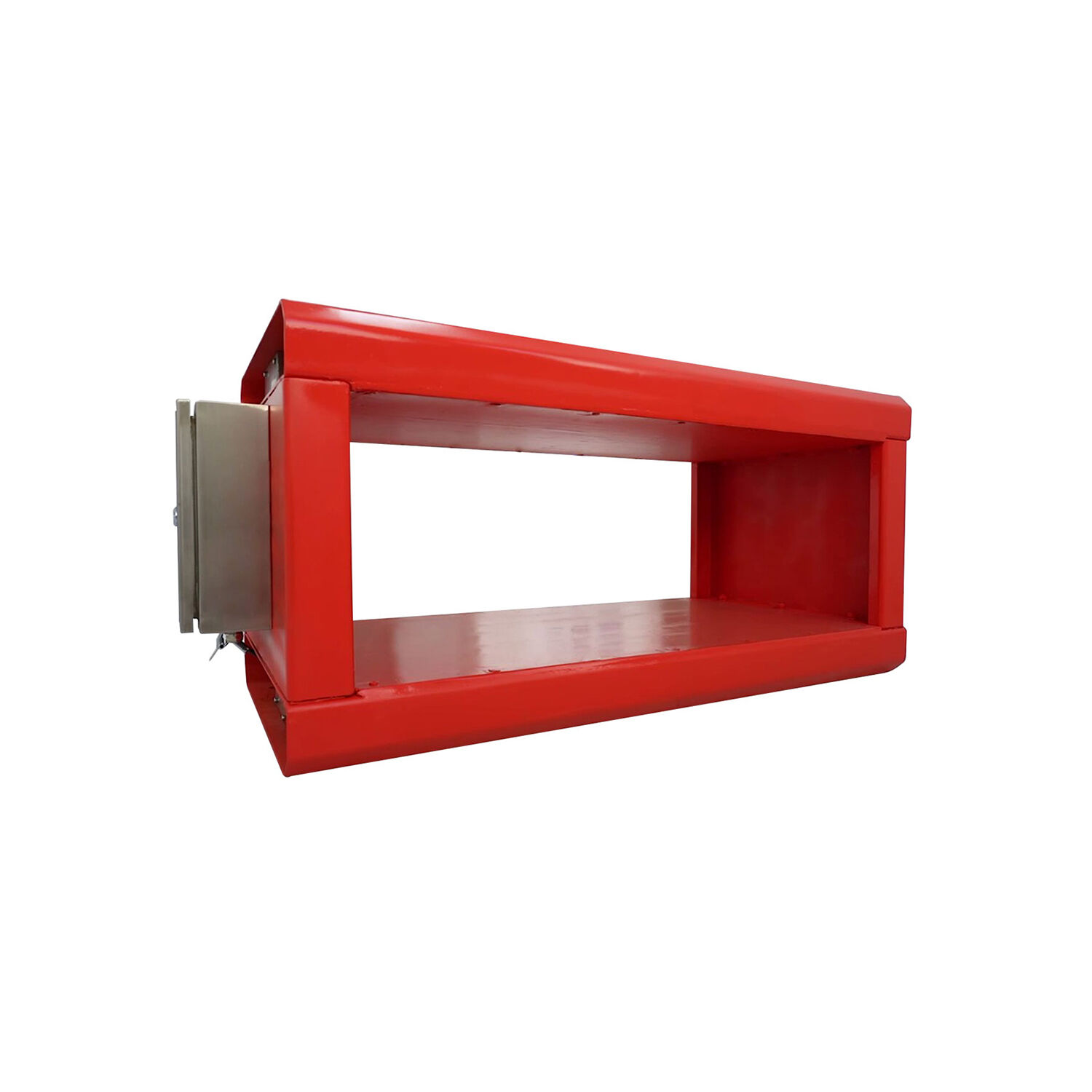
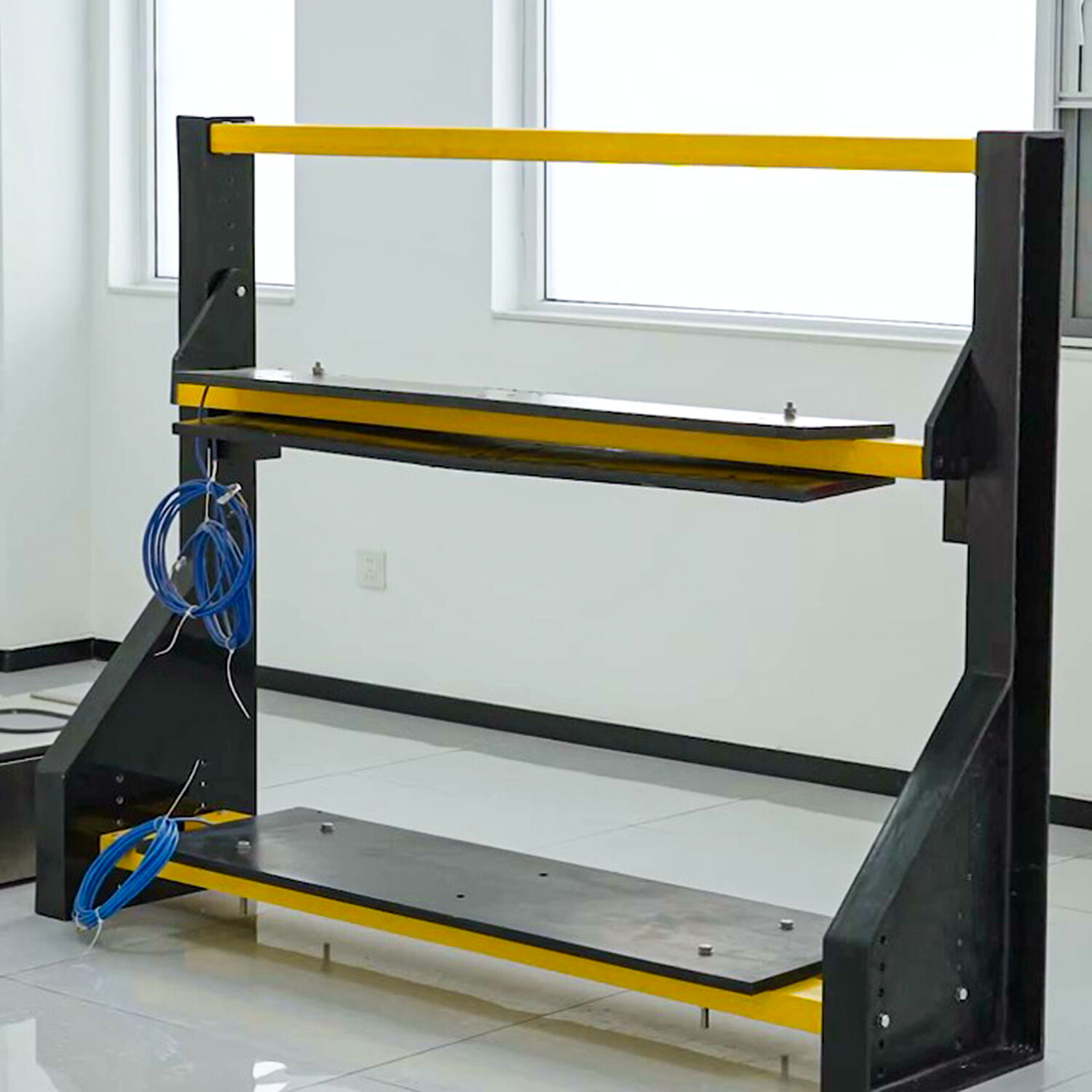
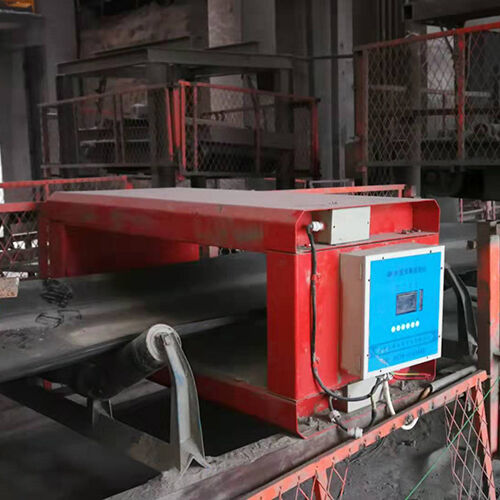
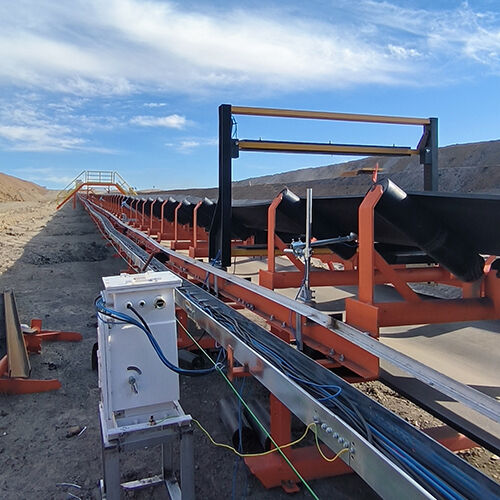
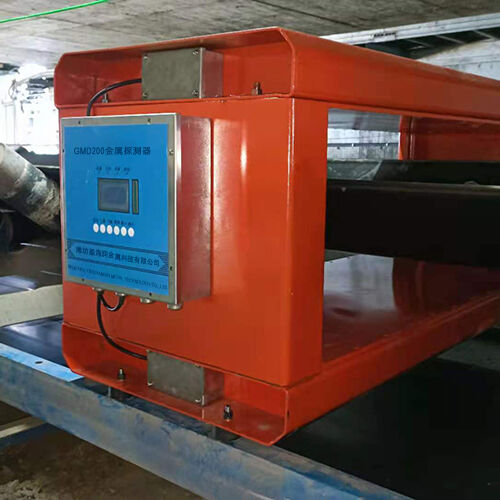
A coal metal detector represents cutting-edge technology specifically engineered for the coal mining and processing industry, serving as an essential safety and quality control instrument. This sophisticated detection system operates by identifying metallic contaminants within coal streams, preventing potentially dangerous and costly situations in mining operations and power generation facilities. The coal metal detector utilizes advanced electromagnetic field technology to scan coal materials continuously as they move through conveyor systems, chutes, or processing equipment. These detection systems feature robust construction designed to withstand harsh industrial environments, including extreme temperatures, dust, moisture, and vibration commonly found in coal handling facilities. The primary function of a coal metal detector involves real-time monitoring of coal flows, instantly alerting operators when metal objects are detected within the material stream. Modern coal metal detector systems incorporate digital signal processing technology that distinguishes between different types of metals and can differentiate between ferrous and non-ferrous materials with remarkable precision. The detection sensitivity can be adjusted according to specific operational requirements, allowing facilities to customize their detection parameters based on coal particle size, flow rate, and contamination risk levels. Integration capabilities enable coal metal detector systems to connect seamlessly with existing plant control systems, providing automated responses such as stopping conveyor belts, activating alarm systems, or diverting contaminated material to rejection bins. The technology proves invaluable in protecting downstream equipment including crushers, pulverizers, and boilers from damage caused by metal contamination. Installation flexibility allows coal metal detector units to be positioned at various points throughout the coal handling process, from initial extraction sites to final preparation before combustion. These systems typically feature weatherproof housings and explosion-proof certifications necessary for hazardous mining environments.


New Products

Coal metal detector systems deliver substantial operational benefits that directly impact both safety protocols and financial performance in mining and power generation facilities. These advanced detection systems prevent catastrophic equipment damage by identifying metal contaminants before they reach sensitive machinery such as crushers, mills, and pulverizers, which can cost hundreds of thousands of dollars to repair or replace. The immediate financial advantage becomes apparent when considering that a single metal object passing through expensive processing equipment can cause weeks of downtime and extensive repair costs. Implementing a coal metal detector significantly reduces maintenance expenses by protecting critical infrastructure from premature wear and unexpected failures caused by metallic contamination. Safety improvements represent another crucial advantage, as these systems prevent potential explosions or fires that could occur when metal objects create sparks in coal processing environments. Workers benefit from enhanced workplace safety as the coal metal detector eliminates risks associated with manual inspection methods and reduces exposure to hazardous conditions. Operational efficiency increases dramatically when facilities install coal metal detector technology, as automated detection eliminates the need for manual sorting and inspection processes that slow production rates. The continuous monitoring capability ensures consistent quality control throughout the entire coal processing cycle, maintaining product specifications required by customers and regulatory standards. Environmental compliance becomes easier to achieve with coal metal detector systems that help facilities meet stringent quality requirements and reduce waste generation through early contamination detection. Energy efficiency improvements occur when clean coal reaches boilers and combustion systems, as metal-free fuel burns more completely and efficiently, reducing fuel consumption and emissions. Production capacity optimization results from uninterrupted operations made possible by preventing equipment breakdowns and emergency shutdowns. The coal metal detector provides real-time data and reporting capabilities that enable facility managers to track contamination patterns, identify problem areas, and implement preventive measures. Return on investment typically occurs within months due to prevented equipment damage, reduced maintenance costs, and improved operational efficiency. Modern coal metal detector systems require minimal operator training and maintenance, making them cost-effective solutions for facilities of all sizes. These systems adapt to various coal types and processing conditions, providing consistent performance regardless of material characteristics or environmental factors.

Tips And Tricks

Mining Metal Detector Sensitivity vs. External Interference

01

Apr

Mining Metal Detector Sensitivity vs. External Interference

Mining metal detector sensitivity represents a critical balance between detection capability and operational reliability in challenging industrial environments. The relationship between sensitivity levels and external interference determines how effe...
View More
Cost-Benefit Analysis of High-End Tramp Metal Detectors

03

Apr

Cost-Benefit Analysis of High-End Tramp Metal Detectors

Investing in high-end tramp metal detector systems requires careful financial evaluation to justify the substantial upfront costs against long-term operational benefits. These sophisticated detection systems command premium prices due to their advanc...
View More
Digital Signal Processing in Modern Tramp Metal Detectors

04

Apr

Digital Signal Processing in Modern Tramp Metal Detectors

Digital signal processing has revolutionized the effectiveness and reliability of modern tramp metal detector systems across industrial applications. Unlike traditional analog detection methods, digital signal processing enables these safety devices ...
View More
Understanding the Components of a Metal Detector Machine

08

Apr

Understanding the Components of a Metal Detector Machine

A metal detector machine consists of several interconnected components that work together to identify metallic objects beneath the surface or within materials. Understanding these fundamental components is essential for anyone working with metal dete...
View More

Get a Free Quote

Our representative will contact you soon.
Email
Mobile/WhatsApp
Name
Company Name
Message
0/1000

coal metal detector

Advanced Electromagnetic Detection Technology

Advanced Electromagnetic Detection Technology

The sophisticated electromagnetic detection technology incorporated in modern coal metal detector systems represents a revolutionary advancement in contamination identification and material protection. This cutting-edge technology operates through precisely calibrated electromagnetic fields that create a detection zone capable of identifying even the smallest metallic objects within coal streams. The coal metal detector generates controlled electromagnetic pulses that penetrate through coal materials, creating distinctive signatures when metallic contaminants disrupt the field pattern. Advanced signal processing algorithms analyze these electromagnetic signatures in real-time, distinguishing between different metal types and sizes while filtering out false signals caused by mineral content naturally present in coal. The sensitivity levels can be fine-tuned to detect objects as small as a few millimeters in diameter, ensuring comprehensive protection against various contamination sources including mining equipment fragments, tools, bolts, and other metallic debris. Multi-frequency detection capabilities allow the coal metal detector to optimize performance across different coal grades and particle sizes, maintaining consistent accuracy regardless of material characteristics. The electromagnetic technology provides exceptional reliability in harsh mining environments where dust, moisture, and temperature fluctuations would compromise other detection methods. Interference rejection features ensure stable operation even in electrically noisy environments common in industrial facilities with multiple motors, drives, and electrical equipment. The coal metal detector technology incorporates adaptive learning capabilities that improve detection accuracy over time by analyzing contamination patterns and adjusting sensitivity parameters automatically. Digital signal processing eliminates the limitations of analog detection systems, providing superior performance and diagnostic capabilities that enable predictive maintenance and system optimization. Temperature compensation features ensure consistent detection performance across seasonal variations and different operational conditions. The electromagnetic detection technology offers exceptional versatility, working effectively with various conveyor speeds, material flow rates, and coal moisture content levels without requiring frequent recalibration or adjustment procedures.
Robust Industrial Construction and Reliability

Robust Industrial Construction and Reliability

The industrial-grade construction of coal metal detector systems ensures exceptional durability and reliable performance in the most demanding mining and processing environments. These detection systems feature heavy-duty stainless steel housings that resist corrosion, impact damage, and extreme weather conditions commonly encountered in coal handling facilities. The robust construction incorporates specialized sealing technologies that prevent dust, moisture, and chemical contamination from affecting internal components, ensuring consistent operation in harsh outdoor and underground environments. Vibration-resistant mounting systems isolate the sensitive detection electronics from mechanical disturbances caused by heavy machinery, conveyor systems, and blasting operations typical in mining operations. The coal metal detector construction includes explosion-proof certifications and intrinsically safe designs that comply with strict mining safety regulations and hazardous area classifications. Temperature-rated components operate reliably across extreme temperature ranges, from freezing outdoor conditions to high-temperature processing environments near furnaces and drying systems. The modular construction design facilitates easy maintenance and component replacement, minimizing downtime and reducing long-term operational costs. Shock-absorbing materials protect critical electronic components from impacts and sudden mechanical stress that could occur during installation or operation in industrial settings. Weatherproof cable connections and sealed junction boxes prevent electrical failures caused by moisture infiltration and corrosive atmospheres present in coal processing facilities. The coal metal detector construction incorporates redundant systems and fail-safe mechanisms that ensure continued operation even if individual components experience problems. Heavy-duty power supply systems provide stable operation despite voltage fluctuations and electrical disturbances common in industrial power networks. The rugged construction includes protective shields and guards that prevent accidental damage during maintenance activities and material handling operations. Anti-static materials and grounding systems eliminate static electricity buildup that could interfere with detection accuracy or create safety hazards in coal dust environments. Quality assurance testing verifies that each coal metal detector meets stringent performance standards and reliability requirements before shipment to customers.
Comprehensive Integration and Control Capabilities

Comprehensive Integration and Control Capabilities

Modern coal metal detector systems offer extensive integration and control capabilities that seamlessly connect with existing plant automation systems and provide comprehensive contamination management solutions. These advanced systems feature multiple communication protocols including Ethernet, Modbus, and industrial fieldbus networks that enable real-time data exchange with central control rooms and supervisory systems. The coal metal detector integration capabilities allow automated responses to contamination detection, including immediate conveyor shutdowns, alarm activation, and material diversion to rejection systems without requiring manual intervention. Programmable logic controller compatibility ensures smooth integration with existing plant control architectures, enabling facilities to incorporate metal detection into their overall process control strategies. Remote monitoring capabilities allow operators to supervise multiple coal metal detector installations from centralized locations, reducing staffing requirements and improving response times to contamination events. Data logging and reporting functions provide comprehensive records of detection events, system performance, and maintenance requirements that support quality control documentation and regulatory compliance efforts. The control systems incorporate user-friendly touchscreen interfaces that simplify operation, configuration, and troubleshooting procedures for maintenance personnel and operators. Automated calibration features maintain optimal detection sensitivity without requiring specialized technical knowledge or frequent manual adjustments. Network connectivity enables remote diagnostic capabilities that allow technical support teams to analyze system performance and provide troubleshooting assistance without on-site visits. The coal metal detector control systems support multiple user access levels with password protection and audit trails that ensure security and accountability in system operation and configuration changes. Predictive maintenance algorithms analyze system performance data to identify potential issues before they cause equipment failures or detection accuracy problems. Integration with plant-wide asset management systems provides comprehensive maintenance scheduling and parts inventory management for optimal system reliability. The control capabilities include statistical analysis tools that help identify contamination sources and trends, enabling proactive measures to reduce contamination risks. Emergency override functions ensure that coal metal detector systems can be quickly bypassed during maintenance or emergency situations while maintaining safety protocols and documentation requirements.

Get a Free Quote

Our representative will contact you soon.
Email
Mobile/WhatsApp
Name
Company Name
Message
0/1000