Professional Security Metal Detectors - Advanced Screening Technology for Maximum Protection

All Categories

Get a Free Quote

Our representative will contact you soon.
Email
Mobile/WhatsApp
Name
Company Name
Message
0/1000

security metal detectors

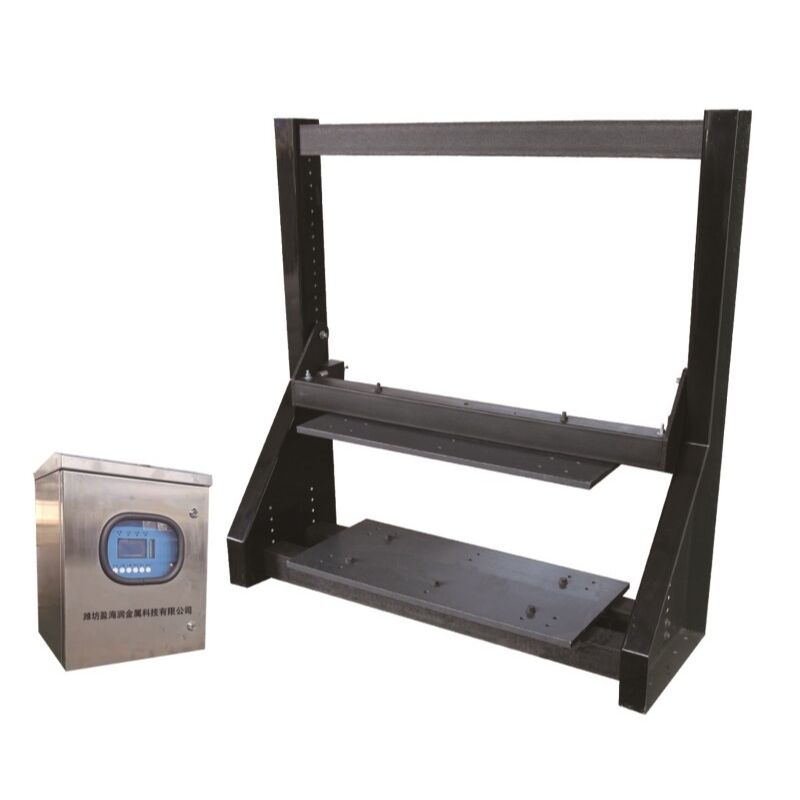
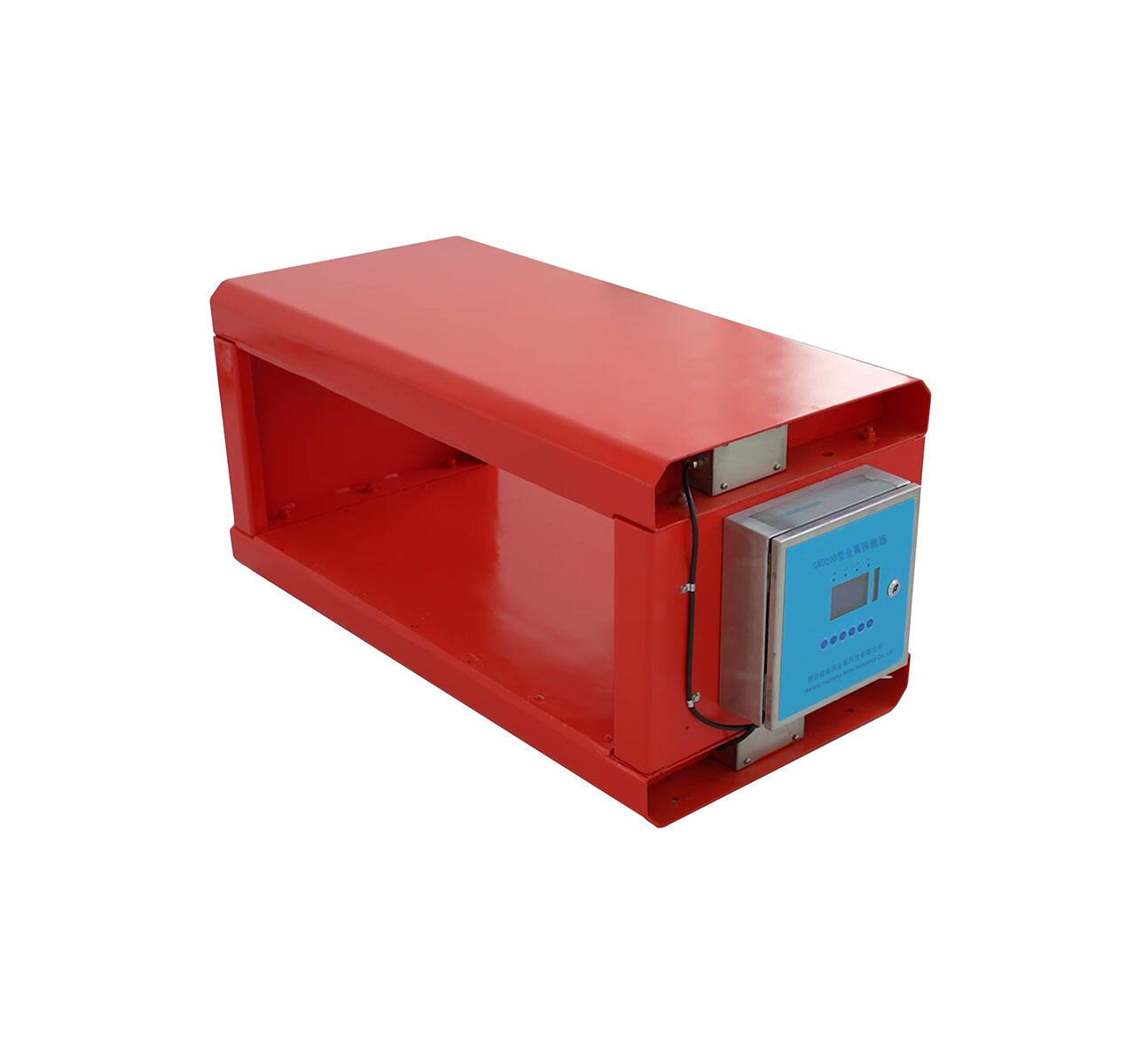
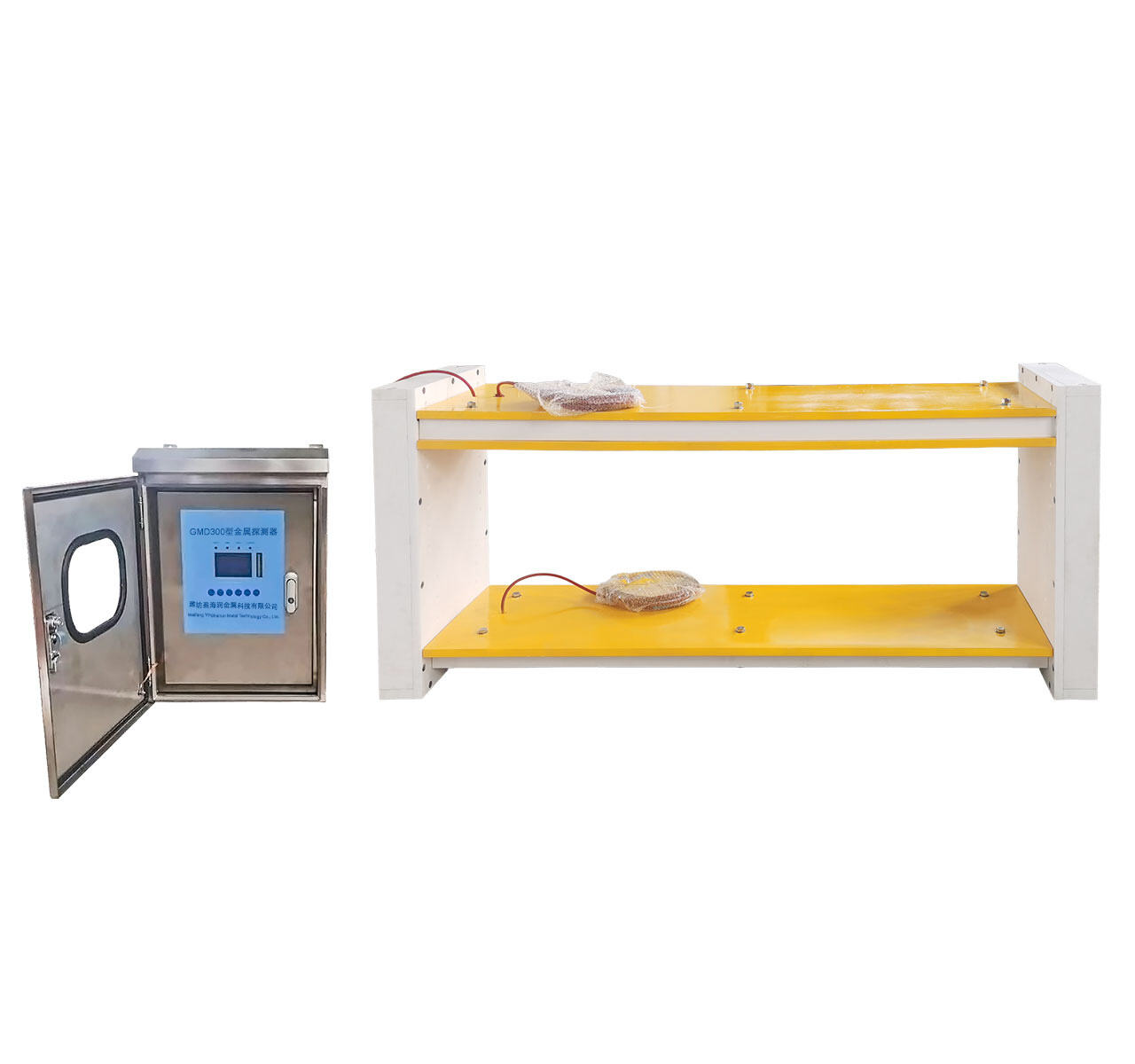
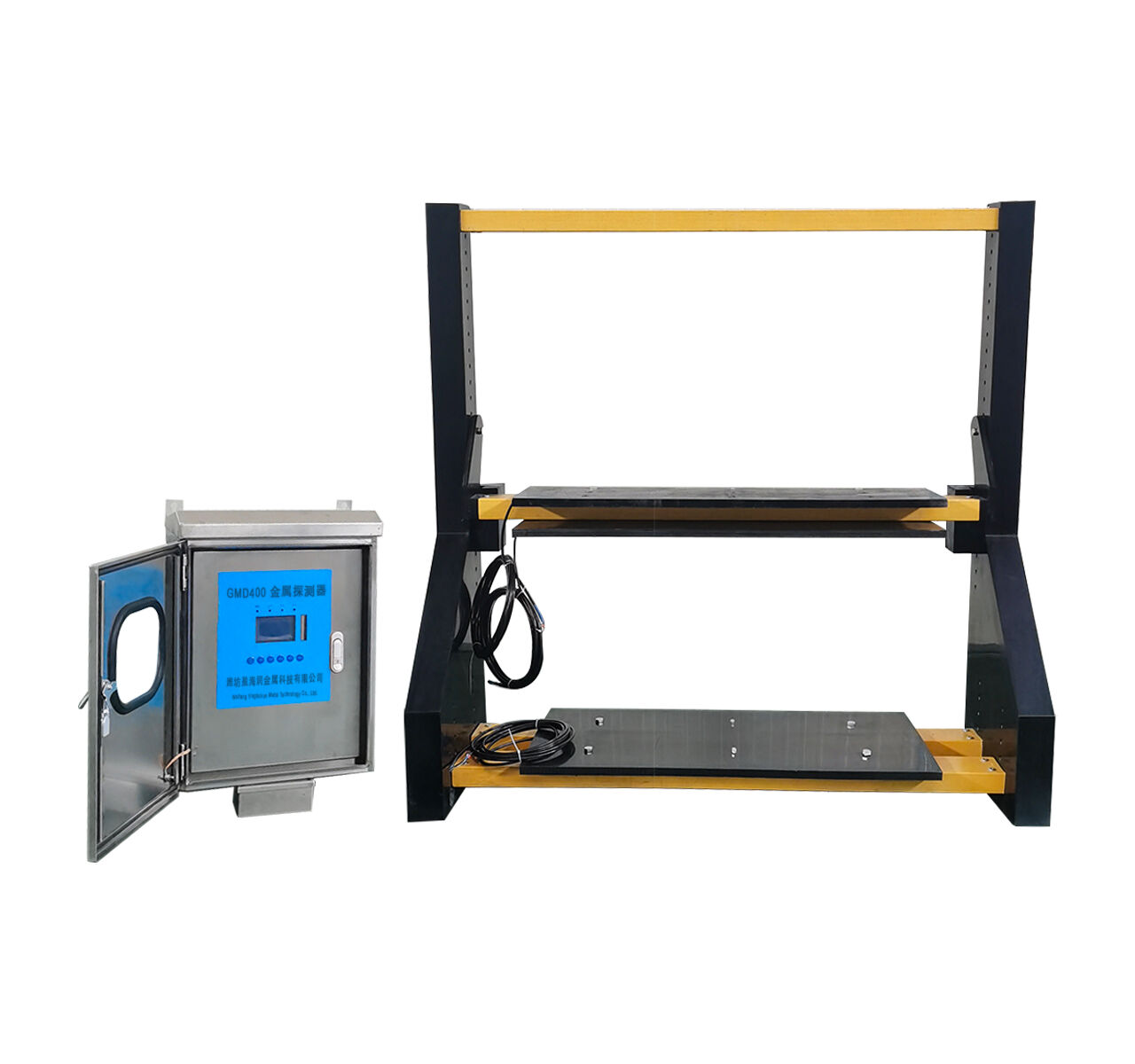
Security metal detectors represent cutting-edge screening technology designed to identify metallic objects concealed within personal belongings, clothing, or on individuals passing through designated checkpoints. These sophisticated devices utilize electromagnetic fields to detect ferrous and non-ferrous metals with remarkable precision, making them indispensable tools for maintaining safety in various environments. Modern security metal detectors employ advanced pulse induction or very low frequency transmission methods to generate electromagnetic signals that penetrate through materials and identify metallic anomalies. When metal objects disrupt these electromagnetic fields, the detectors immediately alert operators through visual displays, audible alarms, or both notification systems. The core functionality extends beyond simple detection, incorporating discrimination capabilities that distinguish between different metal types, sizes, and threat levels. Contemporary security metal detectors feature multi-zone detection systems that pinpoint exact locations of metallic items on human subjects, enabling efficient and targeted secondary screening procedures. These zones typically range from six to thirty-three distinct areas, providing comprehensive coverage from head to toe. Advanced models integrate intelligent algorithms that reduce false alarms caused by benign metallic items like belt buckles, jewelry, or medical implants while maintaining sensitivity to potential threats. The technological architecture includes sophisticated digital signal processing, automatic calibration systems, and environmental compensation mechanisms that ensure consistent performance across varying conditions. Applications span numerous sectors including airports, government buildings, schools, entertainment venues, correctional facilities, and corporate headquarters. Transportation hubs rely heavily on security metal detectors to screen passengers and luggage, while educational institutions implement walk-through models to prevent weapons from entering campus premises. Event venues utilize portable units for crowd screening, and industrial facilities deploy them to prevent theft of valuable materials or tools.


New Product Recommendations

Security metal detectors deliver exceptional value through their ability to rapidly screen large volumes of people without causing significant delays or bottlenecks at entry points. These systems process individuals in seconds rather than minutes, maintaining smooth traffic flow while ensuring comprehensive security coverage. The non-invasive nature of electromagnetic screening eliminates privacy concerns associated with physical searches, creating a more comfortable experience for users while maintaining rigorous security standards. Cost-effectiveness represents another significant advantage, as security metal detectors reduce the need for extensive manual security personnel while providing consistent, reliable screening capabilities twenty-four hours daily. Organizations achieve substantial long-term savings by automating initial screening processes and deploying human resources for more complex security tasks requiring personal judgment and intervention. The deterrent effect alone provides immense value, as visible security metal detectors discourage individuals from attempting to bring prohibited items into protected areas. This psychological barrier significantly reduces security incidents before they occur, creating safer environments for all occupants. Advanced sensitivity settings allow operators to customize detection parameters based on specific security requirements and environmental conditions. High-traffic locations benefit from adjustable sensitivity that balances thorough screening with operational efficiency, while maximum-security facilities can implement heightened detection protocols. Real-time data collection capabilities enable security teams to analyze patterns, identify trends, and optimize screening procedures based on actual usage statistics and threat assessments. Integration with existing security infrastructure allows security metal detectors to work seamlessly with access control systems, surveillance cameras, and alarm networks, creating comprehensive security ecosystems. Remote monitoring capabilities enable centralized oversight of multiple detection points, improving response times and coordination during security events. Weather-resistant designs ensure reliable outdoor operation, while compact indoor models fit seamlessly into architectural layouts without compromising aesthetic appeal. Regular software updates maintain cutting-edge detection algorithms and incorporate new threat intelligence, ensuring long-term effectiveness against evolving security challenges.

Latest News

Mining Metal Detector Sensitivity vs. External Interference

01

Apr

Mining Metal Detector Sensitivity vs. External Interference

Mining metal detector sensitivity represents a critical balance between detection capability and operational reliability in challenging industrial environments. The relationship between sensitivity levels and external interference determines how effe...
View More
Cost-Benefit Analysis of High-End Tramp Metal Detectors

03

Apr

Cost-Benefit Analysis of High-End Tramp Metal Detectors

Investing in high-end tramp metal detector systems requires careful financial evaluation to justify the substantial upfront costs against long-term operational benefits. These sophisticated detection systems command premium prices due to their advanc...
View More
Designing a Conveyor Belt Metal Detector System for Productivity

11

Apr

Designing a Conveyor Belt Metal Detector System for Productivity

Designing an effective conveyor belt metal detector system requires careful consideration of multiple engineering factors that directly impact productivity in industrial operations. The integration of a conveyor belt metal detector into existing prod...
View More
How Tramp Metal Detectors Detect Non-Ferrous Contaminants

12

Apr

How Tramp Metal Detectors Detect Non-Ferrous Contaminants

Understanding how a tramp metal detector identifies non-ferrous contaminants requires examining the sophisticated electromagnetic principles behind modern detection technology. Unlike traditional metal detection systems that primarily focus on ferrou...
View More

Get a Free Quote

Our representative will contact you soon.
Email
Mobile/WhatsApp
Name
Company Name
Message
0/1000

security metal detectors

Advanced Multi-Zone Detection Technology

Advanced Multi-Zone Detection Technology

Modern security metal detectors incorporate sophisticated multi-zone detection technology that revolutionizes screening accuracy and operational efficiency. This advanced system divides the detection area into multiple distinct zones, typically ranging from six to thirty-three separate regions, each capable of independent monitoring and threat assessment. Unlike traditional single-zone detectors that merely indicate the presence of metal somewhere on a person, multi-zone technology pinpoints exact locations with remarkable precision. This capability dramatically reduces secondary screening time by directing security personnel to specific body areas requiring additional attention. The technology employs multiple transmitter and receiver coils strategically positioned throughout the detector archway, creating overlapping electromagnetic fields that provide comprehensive coverage without blind spots. Each zone operates independently with customizable sensitivity settings, allowing operators to adjust detection parameters based on specific security requirements and environmental conditions. High-security zones like airports benefit from maximum sensitivity settings that detect even small metallic objects, while corporate environments might employ moderate settings that focus on larger threat items while ignoring common personal effects. The intelligent discrimination algorithms built into multi-zone systems can differentiate between various metal types, sizes, and potential threat levels. This advanced processing reduces false alarms caused by benign items such as keys, coins, jewelry, or medical implants, while maintaining exceptional sensitivity to weapons and other prohibited objects. Visual display panels provide clear, intuitive feedback showing exactly which zones triggered alarms, enabling security personnel to conduct focused secondary screenings rather than comprehensive body searches. This targeted approach significantly improves processing speed while maintaining thorough security protocols. The technology also incorporates learning algorithms that adapt to environmental conditions and usage patterns, automatically calibrating sensitivity levels to optimize performance throughout operating periods. Integration capabilities allow multi-zone security metal detectors to interface with other security systems, creating comprehensive threat assessment networks that enhance overall facility protection.
Intelligent False Alarm Reduction System

Intelligent False Alarm Reduction System

Security metal detectors equipped with intelligent false alarm reduction systems represent a quantum leap forward in screening technology, addressing one of the most persistent challenges in security operations. These sophisticated algorithms analyze multiple detection parameters simultaneously, including metal mass, conductivity, magnetic permeability, and signal characteristics to differentiate between genuine threats and harmless metallic objects. The system learns from thousands of screening encounters, building comprehensive databases of common personal items that typically trigger false alarms. Medical implants, prosthetics, jewelry, eyeglasses, belt buckles, and electronic devices each produce unique electromagnetic signatures that the system recognizes and categorizes appropriately. Advanced signal processing technology examines waveform patterns, frequency responses, and amplitude variations to create detailed profiles of detected objects. Machine learning algorithms continuously refine these profiles based on operator feedback and actual screening outcomes, improving accuracy over time. The intelligent system can distinguish between the electromagnetic signature of a small knife and that of a large key ring, or differentiate between a concealed firearm and a medical device with metallic components. This discrimination capability dramatically reduces unnecessary secondary screenings, improving operational efficiency while maintaining security effectiveness. Customizable threat libraries allow security administrators to define specific items as acceptable or prohibited based on facility requirements and security policies. Educational institutions might configure systems to ignore certain school supplies while maintaining sensitivity to potential weapons, while airports implement stricter protocols that examine all metallic objects regardless of apparent innocuousness. The false alarm reduction system also incorporates environmental compensation mechanisms that adjust for electromagnetic interference from nearby electronic equipment, structural steel, or other environmental factors that might affect detection accuracy. Seasonal adjustments account for changes in clothing thickness and layering that occur with weather variations. Real-time calibration ensures consistent performance throughout extended operating periods, automatically compensating for temperature fluctuations, humidity changes, and equipment aging effects that could otherwise compromise detection reliability.
Comprehensive Integration and Connectivity Features

Comprehensive Integration and Connectivity Features

Contemporary security metal detectors offer extensive integration and connectivity capabilities that transform standalone screening devices into components of sophisticated security ecosystems. These advanced systems feature multiple communication protocols including Ethernet, Wi-Fi, Bluetooth, and proprietary networking standards that enable seamless integration with existing security infrastructure. Access control systems benefit from direct integration, automatically logging detection events with corresponding badge scans or biometric identifications to create comprehensive audit trails. Video surveillance systems can trigger recording sequences when security metal detectors activate, capturing visual evidence of screening events for later analysis or incident documentation. Alarm management platforms receive real-time notifications from detectors, enabling centralized monitoring and coordinated response procedures across multiple facility entry points. Cloud-based management systems allow remote configuration, monitoring, and maintenance of security metal detectors from any location with internet connectivity. This capability proves invaluable for organizations with multiple facilities or distributed security operations requiring centralized oversight. Remote diagnostic capabilities enable technical support teams to troubleshoot issues, update software, and perform maintenance procedures without on-site visits, reducing operational downtime and support costs. Advanced reporting functions generate detailed analytics on screening volumes, alarm rates, peak usage periods, and operational efficiency metrics. These insights enable security managers to optimize staffing levels, adjust screening procedures, and identify patterns that might indicate security vulnerabilities or procedural improvements. Integration with visitor management systems streamlines guest processing by automatically cross-referencing detection events with visitor registrations and escort assignments. Employee databases can interface with security metal detectors to implement role-based screening protocols, applying different sensitivity levels or screening procedures based on clearance levels or job functions. Mobile device applications provide security personnel with real-time alerts, status updates, and control capabilities, enabling immediate response to security events regardless of physical location. API interfaces allow custom software development for specialized integration requirements, ensuring compatibility with unique security protocols or proprietary management systems. Network redundancy features maintain operational continuity even during communication failures, storing event data locally for synchronization when connectivity resumes.

Get a Free Quote

Our representative will contact you soon.
Email
Mobile/WhatsApp
Name
Company Name
Message
0/1000