Professional Pulse Induction Metal Detectors - Superior Deep Detection Technology

All Categories

Get a Free Quote

Our representative will contact you soon.
Email
Mobile/WhatsApp
Name
Company Name
Message
0/1000

pulse induction

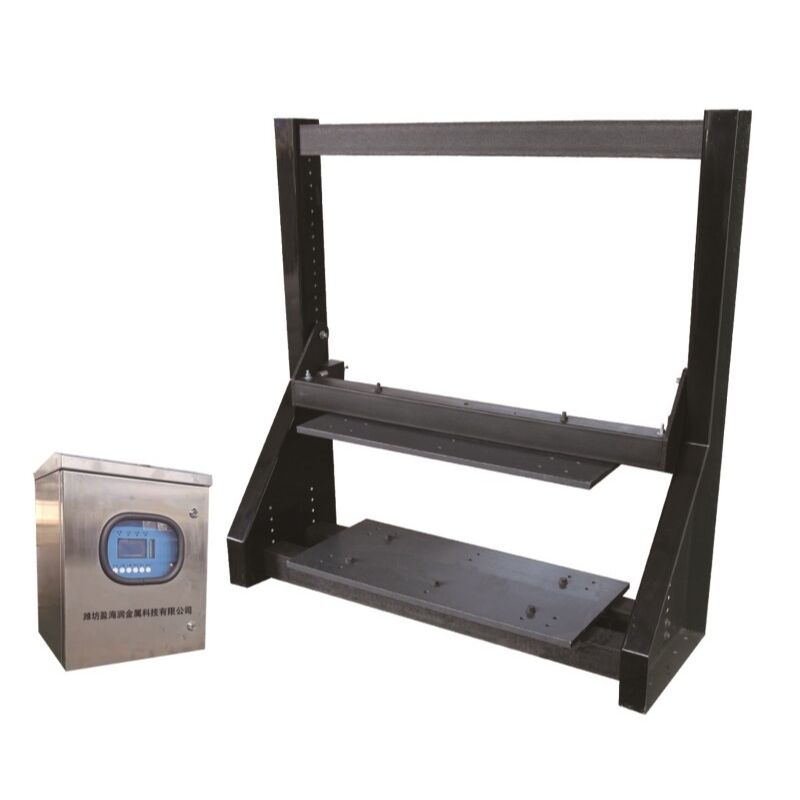
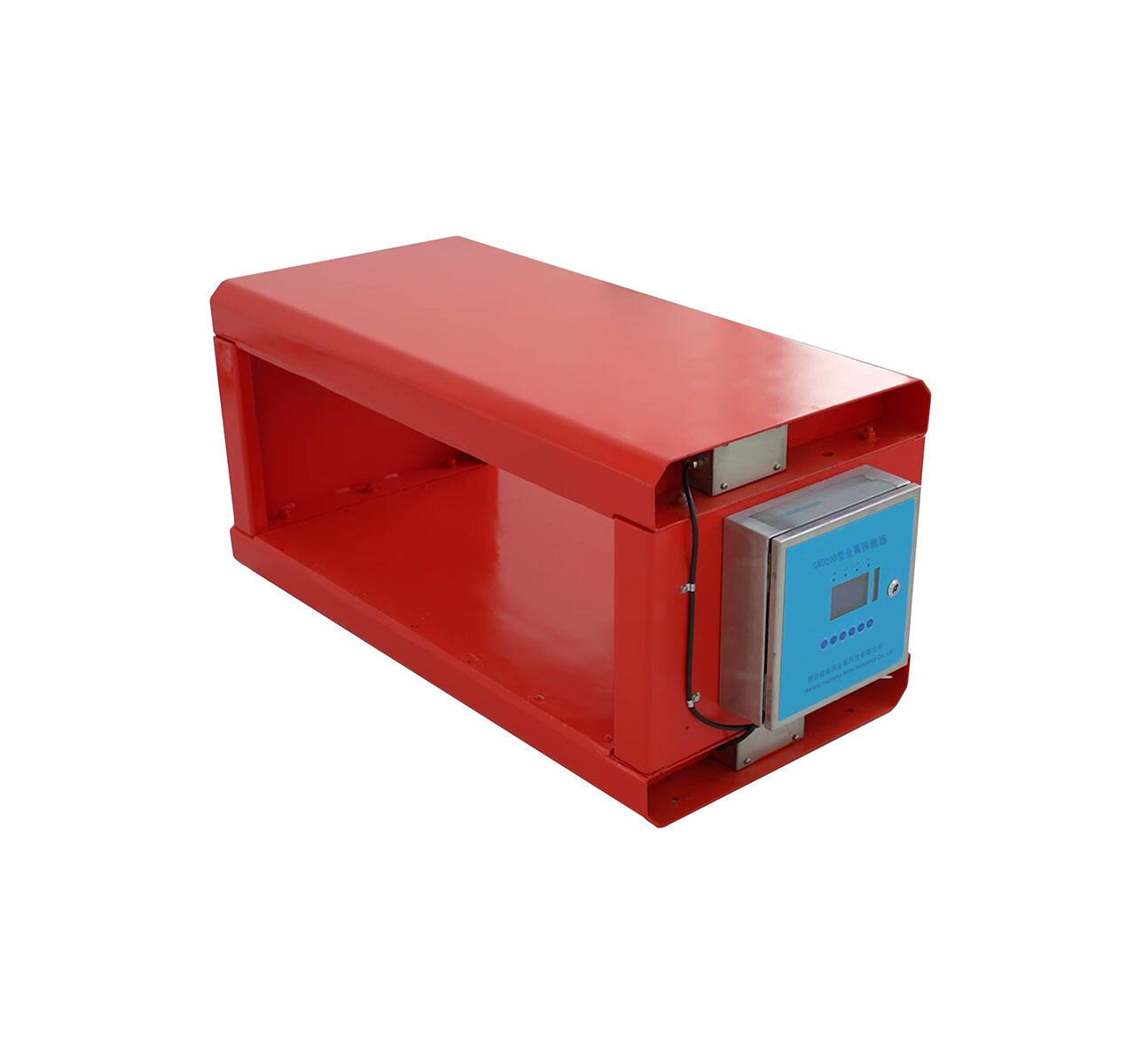
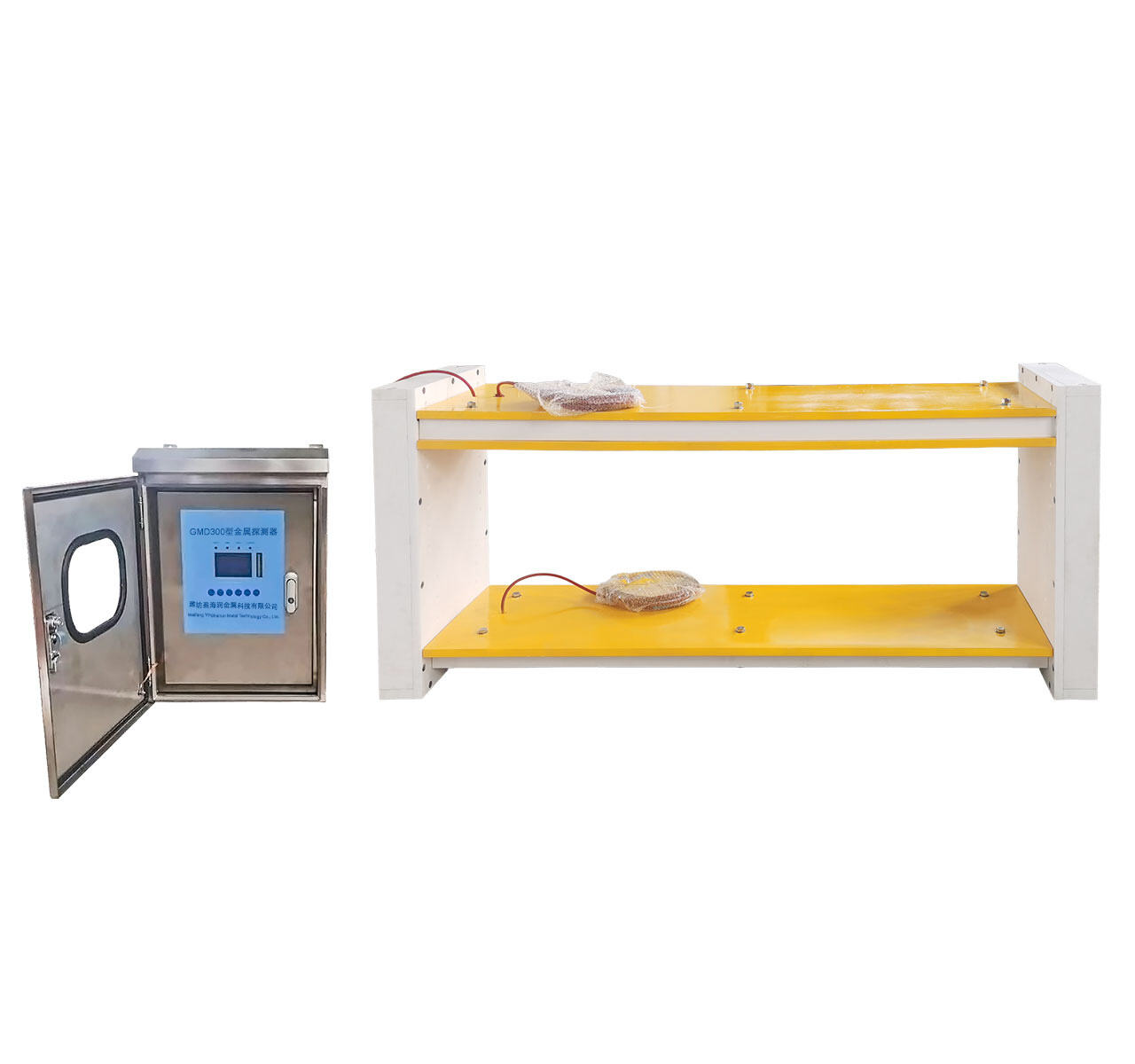
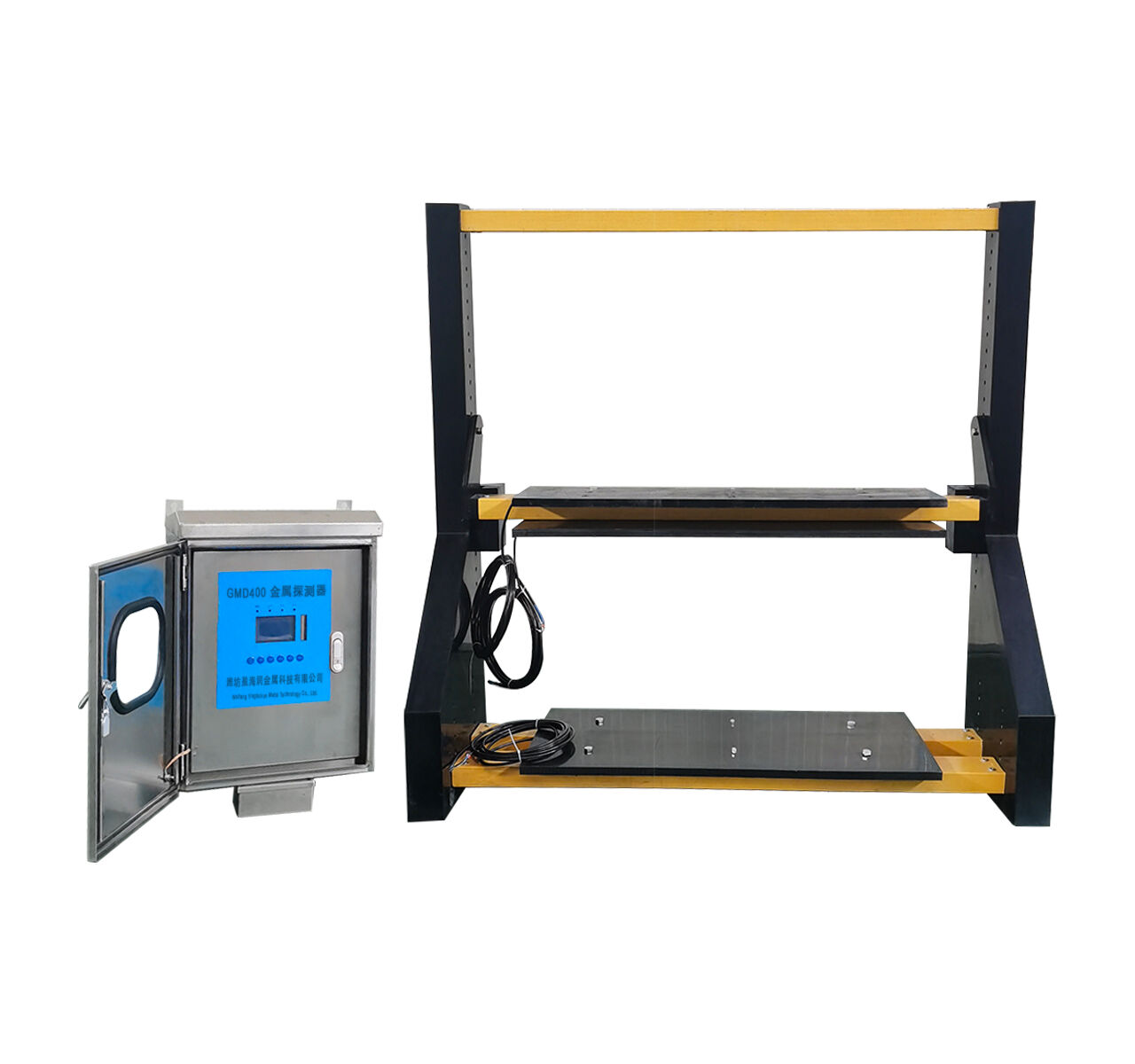
Pulse induction represents a revolutionary metal detection technology that operates on sophisticated electromagnetic principles to deliver superior performance in challenging environments. This advanced detection system generates powerful electromagnetic pulses through a transmitter coil, creating temporary magnetic fields that penetrate deep into the ground or target materials. When these electromagnetic pulses encounter metallic objects, they induce eddy currents within the metal, which continue circulating even after the original pulse ends. The pulse induction detector then measures the decay time of these induced currents using a sensitive receiver coil, allowing it to distinguish between different types of metals and determine their approximate depth and size. The technology excels in environments where traditional detection methods struggle, particularly in highly mineralized soils, saltwater conditions, and areas with significant ground interference. Pulse induction systems demonstrate remarkable versatility across numerous applications, from archaeological excavations and treasure hunting to industrial security screening and military ordnance detection. The technology's main functions include deep target detection capabilities, excellent discrimination between ferrous and non-ferrous metals, and consistent performance regardless of environmental conditions. Key technological features encompass adjustable pulse timing controls, sophisticated signal processing algorithms, and robust construction designed to withstand harsh operating conditions. Modern pulse induction systems integrate advanced microprocessor technology to enhance target identification accuracy while reducing false signals caused by ground mineralization or electromagnetic interference. The detection depth capabilities far exceed those of conventional metal detectors, making pulse induction technology invaluable for professional applications requiring maximum penetration and reliability in diverse operational environments.

New Product Releases

Pulse induction technology offers exceptional detection depth capabilities that surpass conventional metal detecting systems by significant margins, enabling users to locate targets buried much deeper underground than traditional technologies can reach. This superior depth performance makes pulse induction detectors invaluable for professional treasure hunters, archaeologists, and security personnel who need reliable detection at substantial depths. The technology performs consistently in highly mineralized soil conditions where other detection methods produce excessive false signals or complete failure, ensuring reliable operation in challenging geological environments including black sand beaches, red clay deposits, and mineral-rich archaeological sites. Saltwater environments pose no interference problems for pulse induction systems, allowing beachcombers and marine archaeologists to work effectively in surf zones and tide pools without signal degradation or equipment malfunction. The robust construction of pulse induction detectors ensures long-term durability under demanding field conditions, reducing maintenance costs and equipment downtime while providing consistent performance over extended periods. Advanced signal processing capabilities enable precise target discrimination, helping users distinguish between valuable finds and unwanted debris, thereby increasing productivity and reducing time spent investigating false signals. The technology operates effectively across wide temperature ranges and humidity levels, making it suitable for global applications in diverse climatic conditions from arctic expeditions to desert explorations. Pulse induction systems require minimal ground balancing adjustments compared to other technologies, simplifying operation for users and reducing training requirements while maintaining optimal performance. The electromagnetic pulse design penetrates through various ground conditions including wet sand, clay, and heavily mineralized soil without significant signal loss, ensuring consistent detection capabilities regardless of environmental variables. User-friendly controls and clear audio feedback systems make pulse induction technology accessible to both professional operators and recreational users, while sophisticated features remain available for advanced applications requiring specialized detection parameters.

Latest News

Cost-Benefit Analysis of High-End Tramp Metal Detectors

03

Apr

Cost-Benefit Analysis of High-End Tramp Metal Detectors

Investing in high-end tramp metal detector systems requires careful financial evaluation to justify the substantial upfront costs against long-term operational benefits. These sophisticated detection systems command premium prices due to their advanc...
View More
Reliable Mine Metal Detectors for Primary Crusher Protection

05

Apr

Reliable Mine Metal Detectors for Primary Crusher Protection

Primary crushers in mining operations face constant threats from metallic contaminants that can cause devastating equipment damage, costly downtime, and significant safety hazards. A reliable mine metal detector serves as the critical first line of d...
View More
Designing a Conveyor Belt Metal Detector System for Productivity

11

Apr

Designing a Conveyor Belt Metal Detector System for Productivity

Designing an effective conveyor belt metal detector system requires careful consideration of multiple engineering factors that directly impact productivity in industrial operations. The integration of a conveyor belt metal detector into existing prod...
View More
Common Industrial Applications for Tramp Metal Detectors

13

Apr

Common Industrial Applications for Tramp Metal Detectors

Industrial facilities across manufacturing, mining, and processing sectors face constant challenges from unwanted metallic contamination that can damage equipment, compromise product quality, and create safety hazards. A tramp metal detector serves a...
View More

Get a Free Quote

Our representative will contact you soon.
Email
Mobile/WhatsApp
Name
Company Name
Message
0/1000

pulse induction

Unmatched Deep Target Detection Performance

Unmatched Deep Target Detection Performance

Pulse induction technology revolutionizes metal detection through its extraordinary deep target detection capabilities, achieving penetration depths that consistently exceed traditional detection methods by substantial margins. The electromagnetic pulse system generates powerful magnetic fields that penetrate deep into various ground conditions, including highly mineralized soils, wet sand, and challenging geological formations that typically defeat conventional detectors. This superior depth performance stems from the technology's unique pulse timing mechanism, which creates brief but intense electromagnetic bursts followed by precise measurement periods that capture even the faintest target responses from considerable depths. Professional treasure hunters and archaeologists regularly achieve detection depths exceeding several feet in favorable conditions, uncovering artifacts and valuables that remain completely invisible to standard detection equipment. The deep penetration capabilities prove especially valuable in archaeological applications where historical artifacts may be buried under centuries of accumulated soil layers, cultural debris, or natural sedimentation. Security professionals utilize this enhanced depth performance for comprehensive screening applications, ensuring thorough detection of concealed metallic objects that might escape detection through conventional screening methods. The technology maintains consistent depth performance across various target sizes and compositions, detecting small coins at impressive depths while simultaneously identifying larger objects buried even deeper underground. Advanced pulse timing algorithms optimize detection depth by automatically adjusting electromagnetic pulse characteristics based on ground conditions and target responses, ensuring maximum penetration without sacrificing detection accuracy or target discrimination capabilities. This remarkable depth performance translates directly into increased productivity for users, as they can effectively search larger areas with confidence that valuable targets will not be missed due to insufficient detection range, making pulse induction technology an essential tool for serious metal detecting applications.
Superior Performance in Challenging Environments

Superior Performance in Challenging Environments

Pulse induction technology demonstrates exceptional resilience and consistent performance in environmental conditions that severely impair or completely disable conventional metal detection systems, making it the preferred choice for demanding applications worldwide. The technology excels in highly mineralized soil conditions, including iron-rich red clay, volcanic black sand, and areas with significant ground mineral content that typically generate overwhelming false signals in traditional detectors. Saltwater environments, including ocean beaches, tidal pools, and marine archaeological sites, present no operational challenges for pulse induction systems, as the electromagnetic pulse design remains unaffected by salt contamination that disrupts other detection technologies. Extreme temperature variations, from arctic exploration conditions to desert heat, do not compromise pulse induction performance, ensuring reliable operation across global climate zones without requiring specialized environmental adaptations or frequent calibration adjustments. The technology maintains stable operation in high-humidity environments, including tropical rainforests and wetland areas, where moisture-related interference can severely impact conventional detection equipment performance and reliability. Industrial environments with significant electromagnetic interference from power lines, machinery, and electronic equipment do not disrupt pulse induction operation, allowing effective metal detection in factories, construction sites, and urban areas where other technologies fail. Ground penetrating capabilities remain consistent across diverse soil compositions, including clay, sand, loam, and rocky terrain, ensuring uniform detection performance regardless of geological variations or seasonal soil condition changes. The robust electromagnetic pulse design effectively ignores ground mineralization effects that cause constant false signals in traditional detectors, allowing users to focus on genuine target identification without constantly adjusting sensitivity settings or dealing with ground balance issues. This environmental adaptability makes pulse induction technology indispensable for professional applications requiring consistent performance across varied operational conditions, from remote archaeological expeditions to security screening in challenging facility environments.

Advanced Target Discrimination and Signal Processing

Advanced Target Discrimination and Signal Processing

Pulse induction technology incorporates sophisticated signal processing algorithms and advanced target discrimination capabilities that provide users with precise target identification information while minimizing false signals and unwanted responses from ground conditions or debris. The electromagnetic pulse timing system enables detailed analysis of target response characteristics, including decay time measurements and signal strength variations that reveal important information about target composition, size, and depth location. Advanced microprocessor technology processes these complex electromagnetic signals in real-time, applying sophisticated filtering algorithms that distinguish between valuable targets and common trash items, significantly improving search efficiency and reducing investigation time for false signals. The discrimination system analyzes multiple target characteristics simultaneously, including conductivity patterns, magnetic properties, and response timing, creating comprehensive target profiles that enable accurate identification of specific metal types and approximate size estimates. User-adjustable discrimination settings allow customization for specific search objectives, whether seeking coins, jewelry, relics, or larger buried objects, while maintaining sensitivity to desired targets and rejecting unwanted materials like iron nails or aluminum debris. The signal processing system automatically compensates for ground conditions and environmental factors, maintaining consistent target discrimination performance regardless of soil mineralization, moisture content, or temperature variations that might affect detection accuracy. Audio feedback systems provide clear, distinctive target identification signals that communicate important target information to users through tone variations, signal strength indicators, and discrimination category alerts, enabling confident target evaluation without requiring visual display consultation. Digital signal processing capabilities enable advanced features like target depth estimation, approximate size calculation, and confidence level indicators that help users make informed decisions about target investigation priorities and excavation strategies. The sophisticated discrimination algorithms continuously learn from operating conditions and user feedback, adapting to local environmental factors and improving target identification accuracy through extended use, making pulse induction technology increasingly effective with experience and familiarity.

Get a Free Quote

Our representative will contact you soon.
Email
Mobile/WhatsApp
Name
Company Name
Message
0/1000