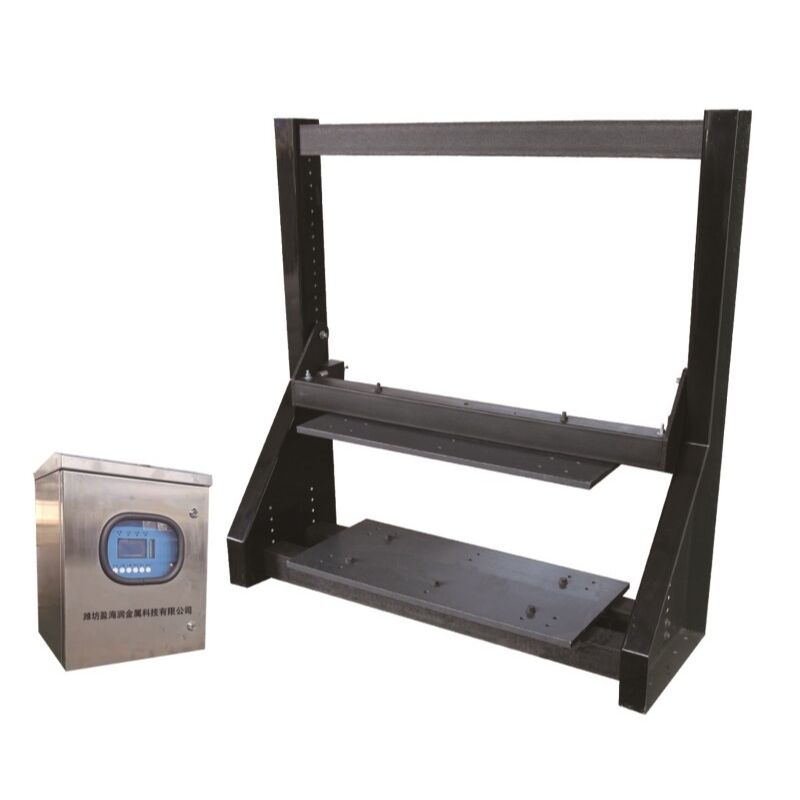
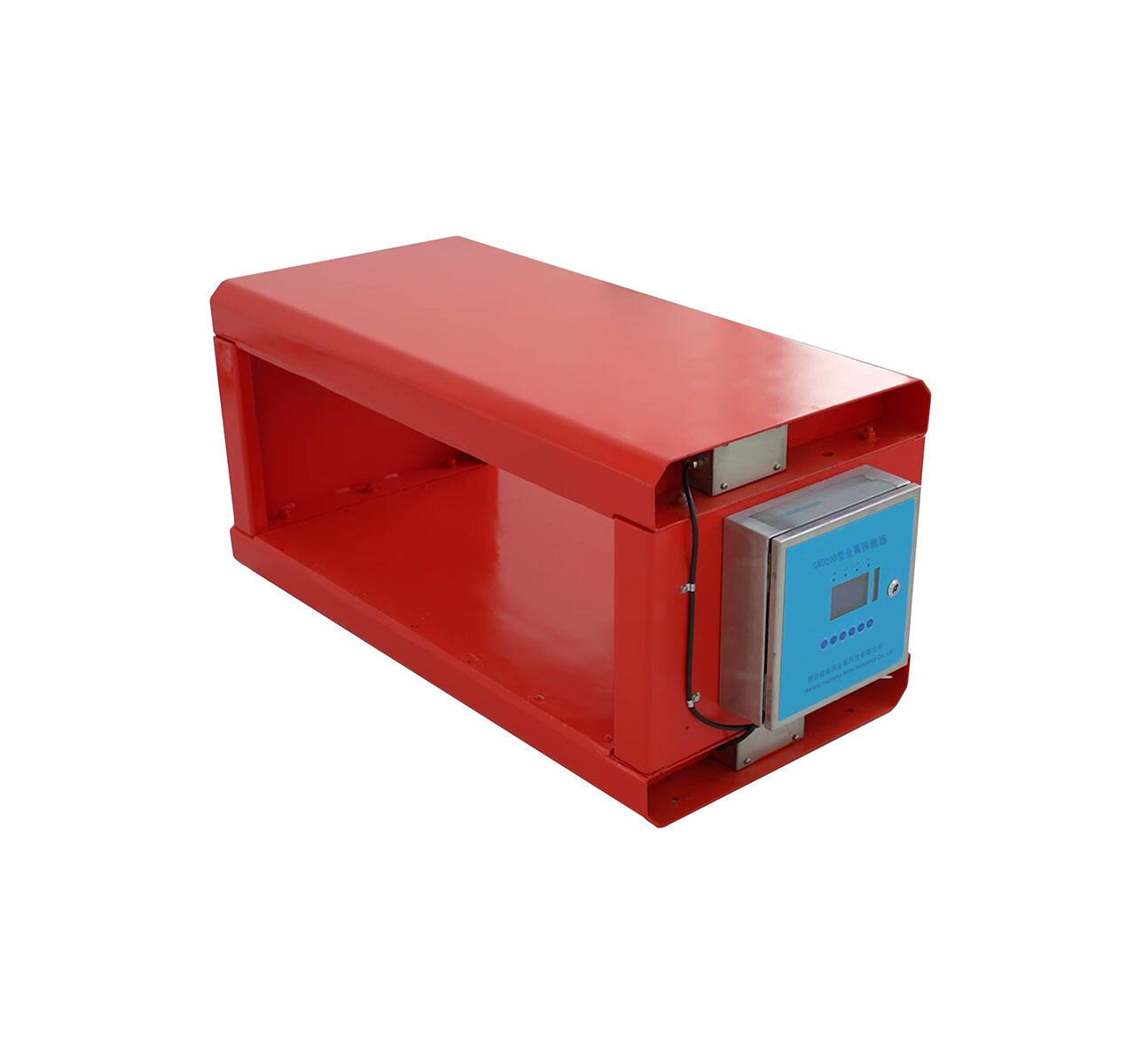
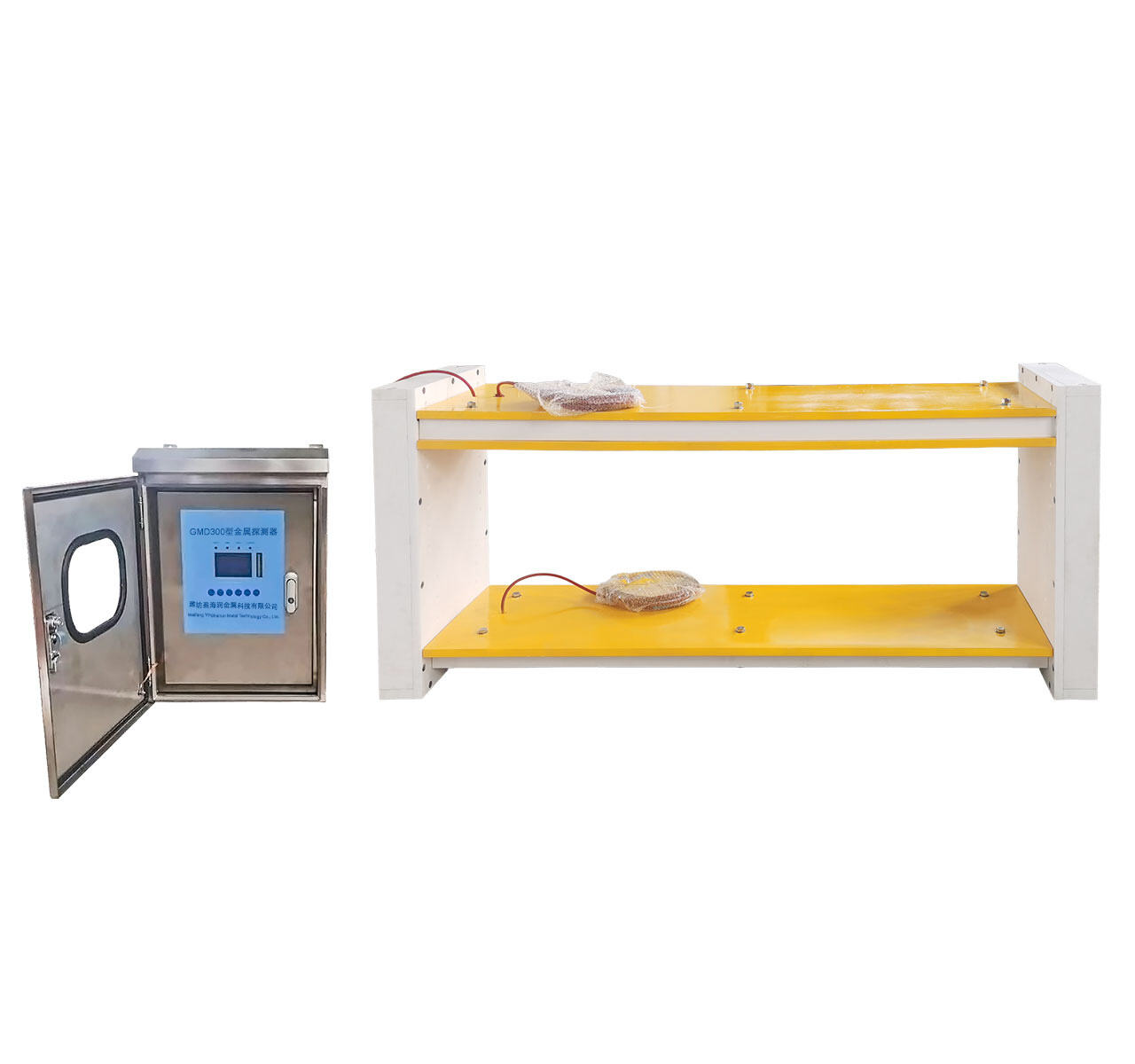
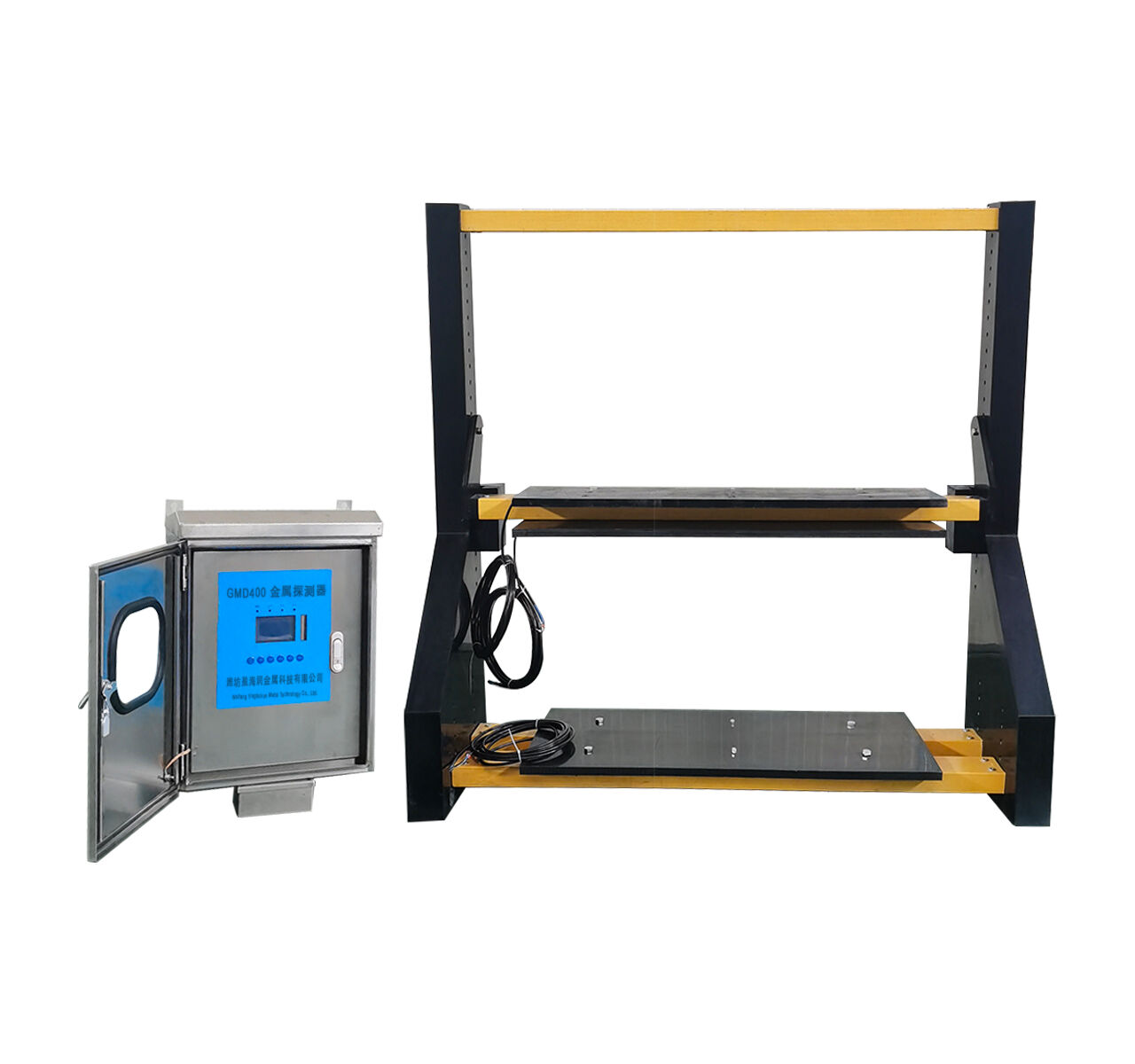
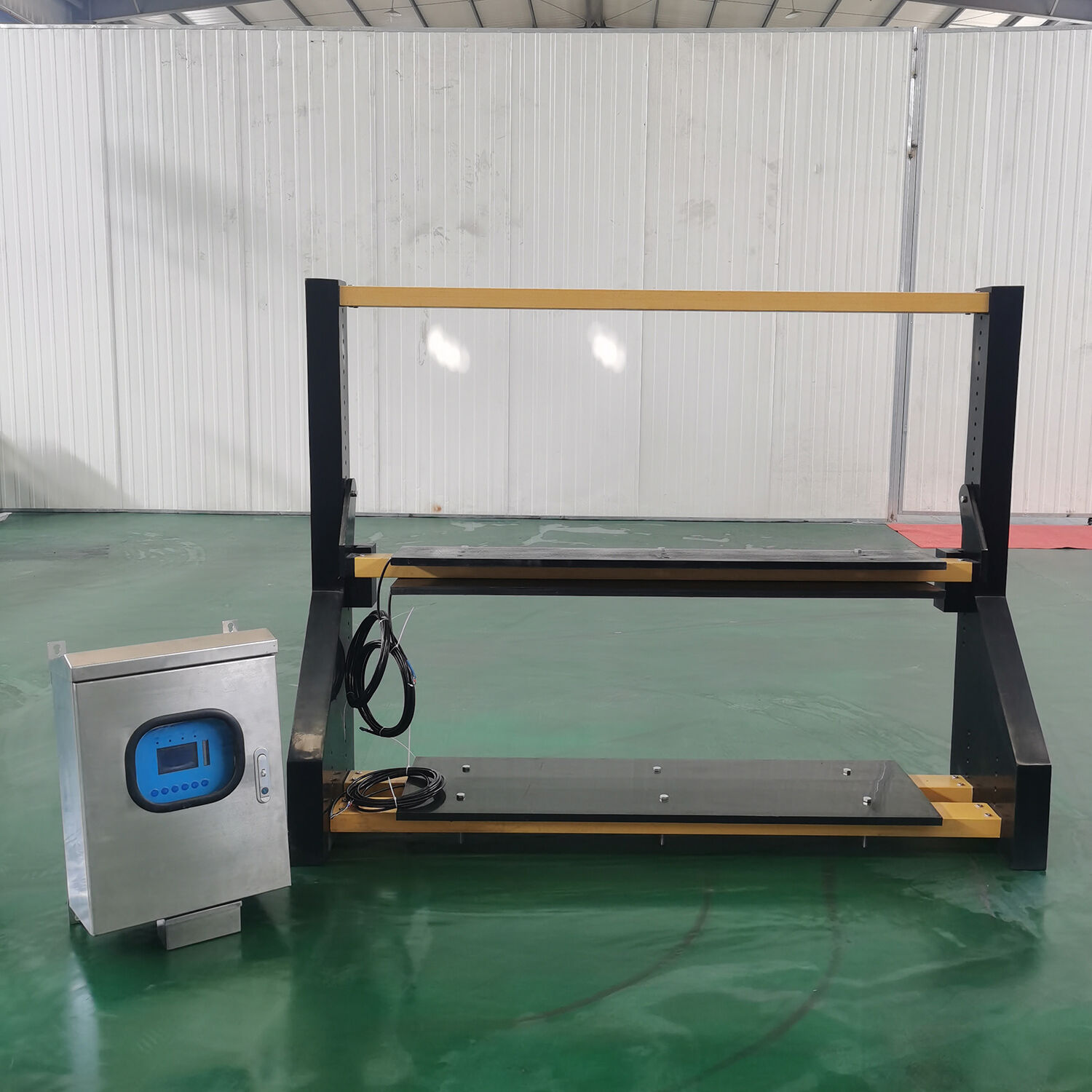
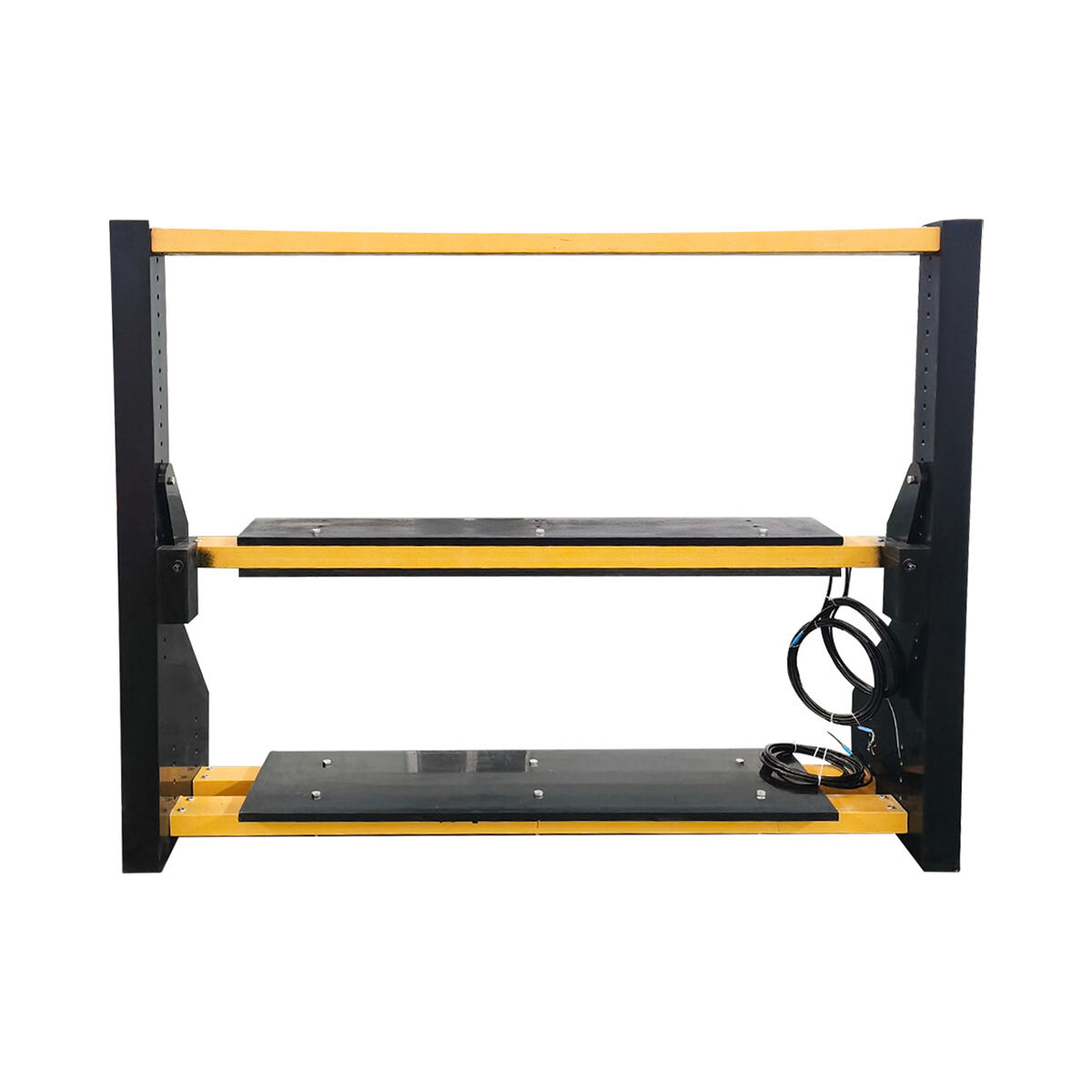
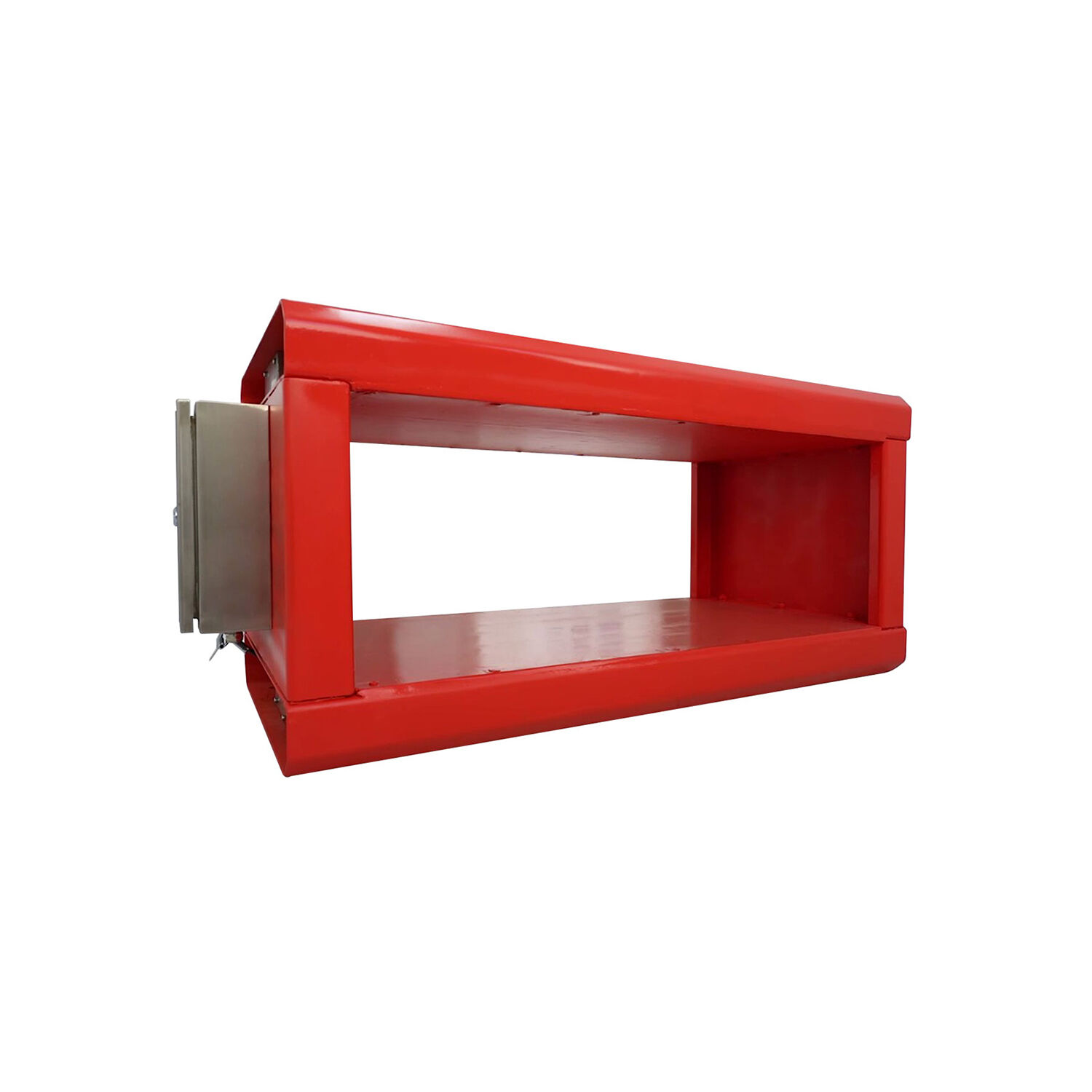
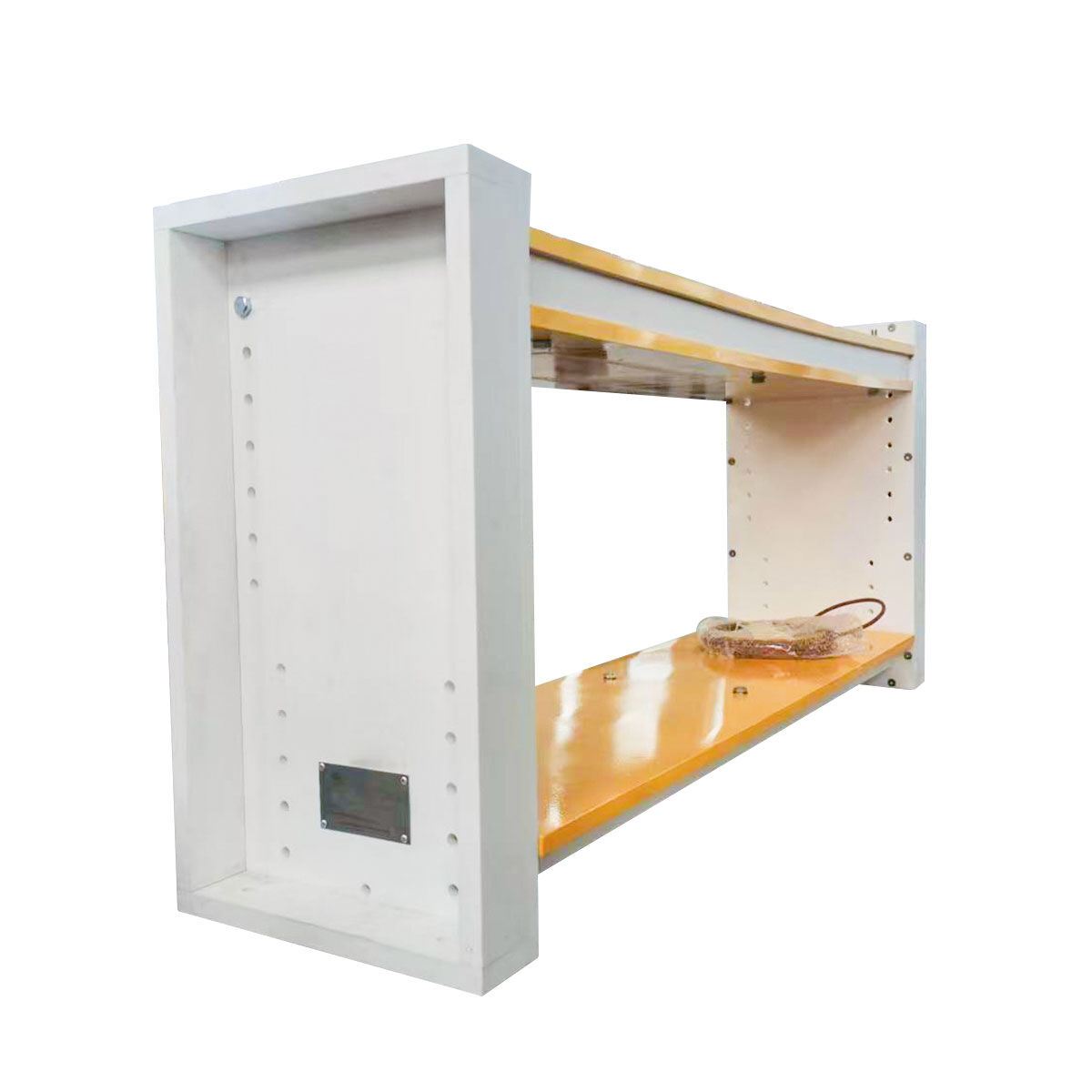
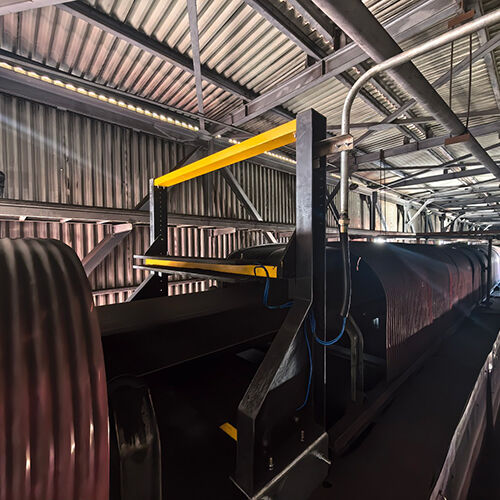
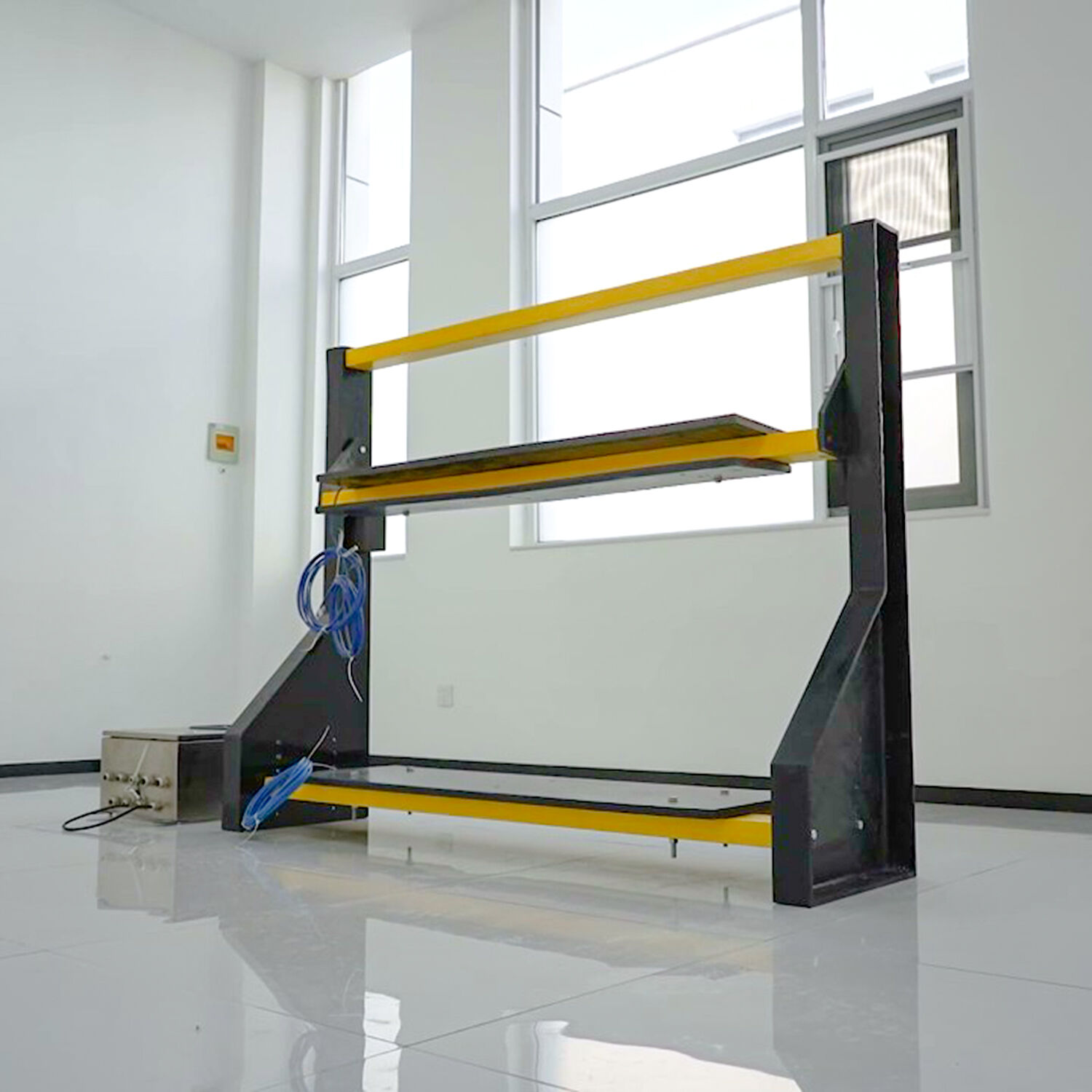
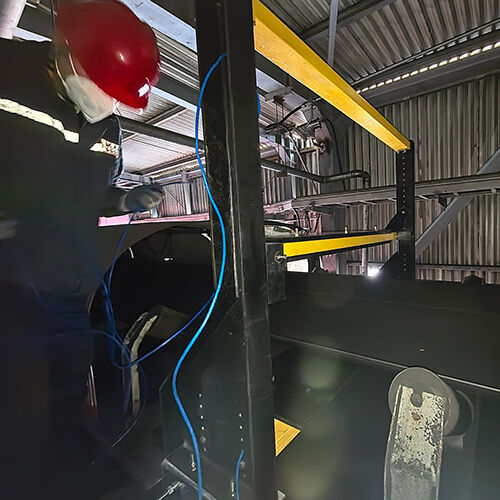
mining metal detector
A mining metal detector represents a sophisticated technological solution engineered specifically for the demanding requirements of mineral exploration and mining operations. This specialized equipment employs advanced electromagnetic technology to identify and locate metallic substances beneath the earth's surface with remarkable precision and reliability. Unlike standard consumer metal detectors, mining metal detectors are built to withstand harsh environmental conditions while delivering superior performance in challenging terrain and varying soil compositions. The primary function of a mining metal detector centers on its ability to transmit electromagnetic signals into the ground and analyze the returning signals to determine the presence, size, and approximate depth of metallic objects or ore deposits. These devices utilize multiple frequency operations, typically ranging from very low frequencies to high frequencies, enabling them to penetrate different soil types and detect various metal compositions at significant depths. The technological framework incorporates digital signal processing capabilities that filter out unwanted interference while amplifying genuine target signals. Modern mining metal detectors feature waterproof construction, allowing operators to work in wet conditions without compromising functionality. The equipment includes adjustable sensitivity settings, discrimination controls, and ground balance features that automatically compensate for mineralized soil conditions commonly encountered in mining environments. Applications for mining metal detectors span across numerous sectors including gold prospecting, archaeological surveys, treasure hunting operations, and industrial mining projects. Professional miners rely on these instruments to locate gold nuggets, silver deposits, copper veins, and other valuable metallic resources buried deep underground. The equipment proves invaluable for preliminary site surveys, helping mining companies assess the potential of unexplored territories before committing significant resources to full-scale extraction operations. Additionally, these detectors serve essential roles in safety applications, identifying buried metal infrastructure, pipelines, and hazardous metallic debris that could pose risks to mining personnel and equipment during excavation activities.

 EN
EN