Professional Mining Industry Equipment - Advanced Machinery Solutions for Efficient Resource Extraction

All Categories

Get a Free Quote

Our representative will contact you soon.
Email
Mobile/WhatsApp
Name
Company Name
Message
0/1000

mining industry equipment

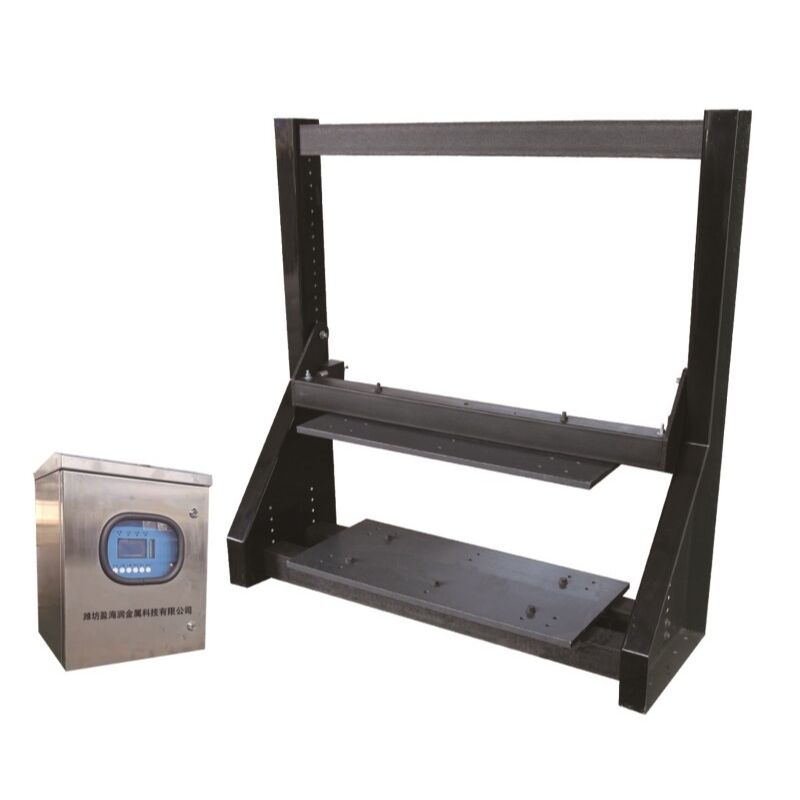
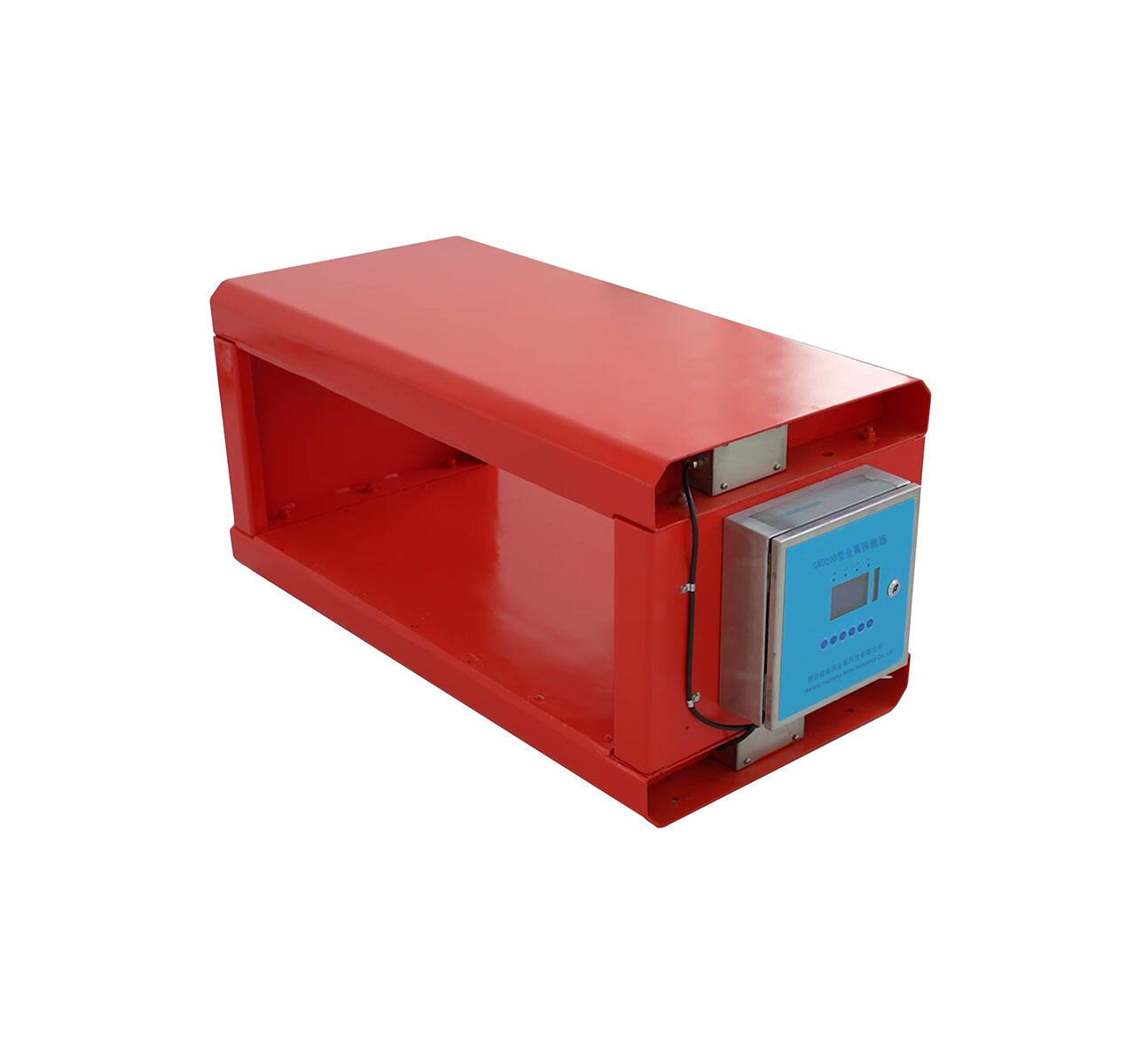
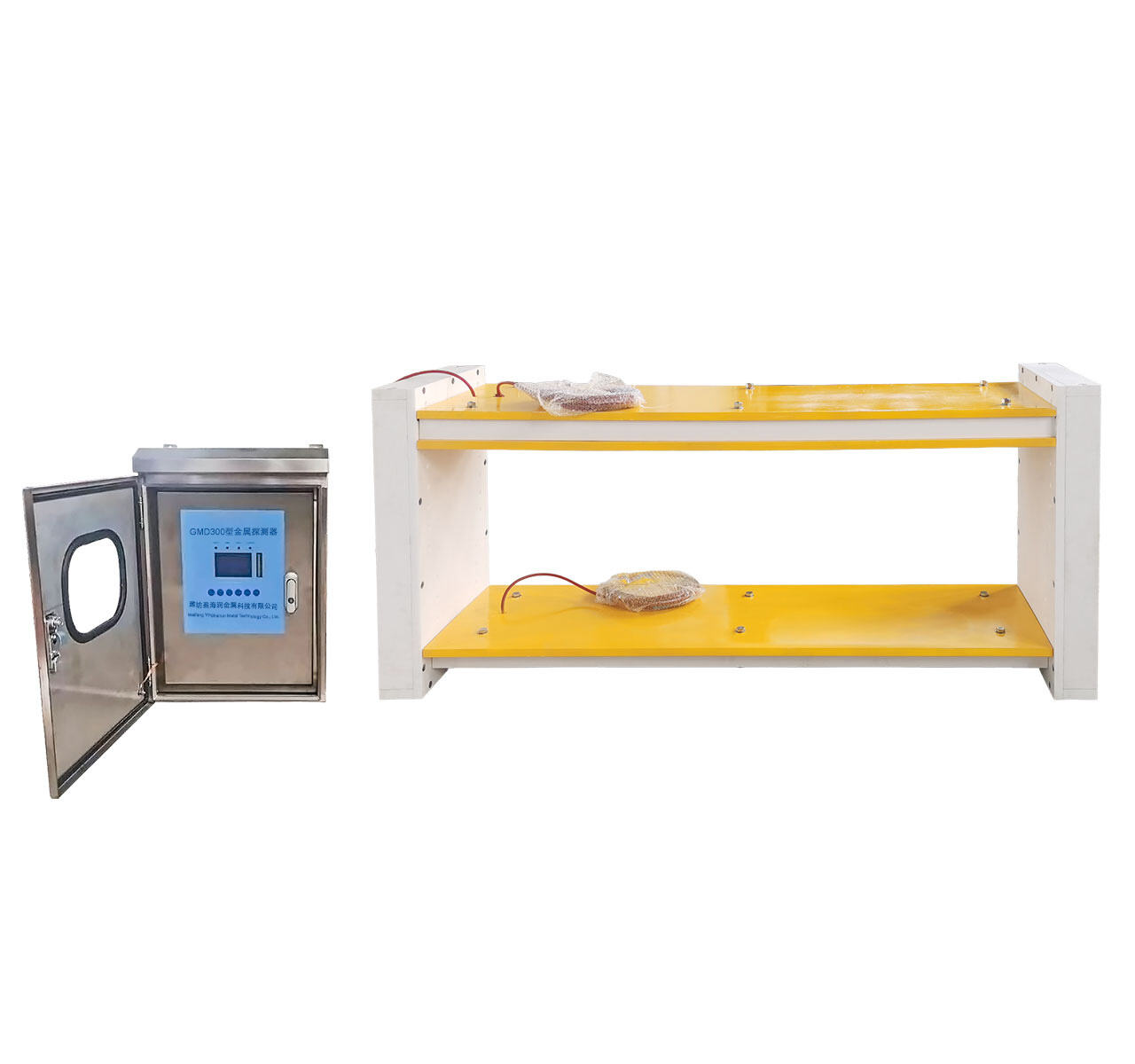
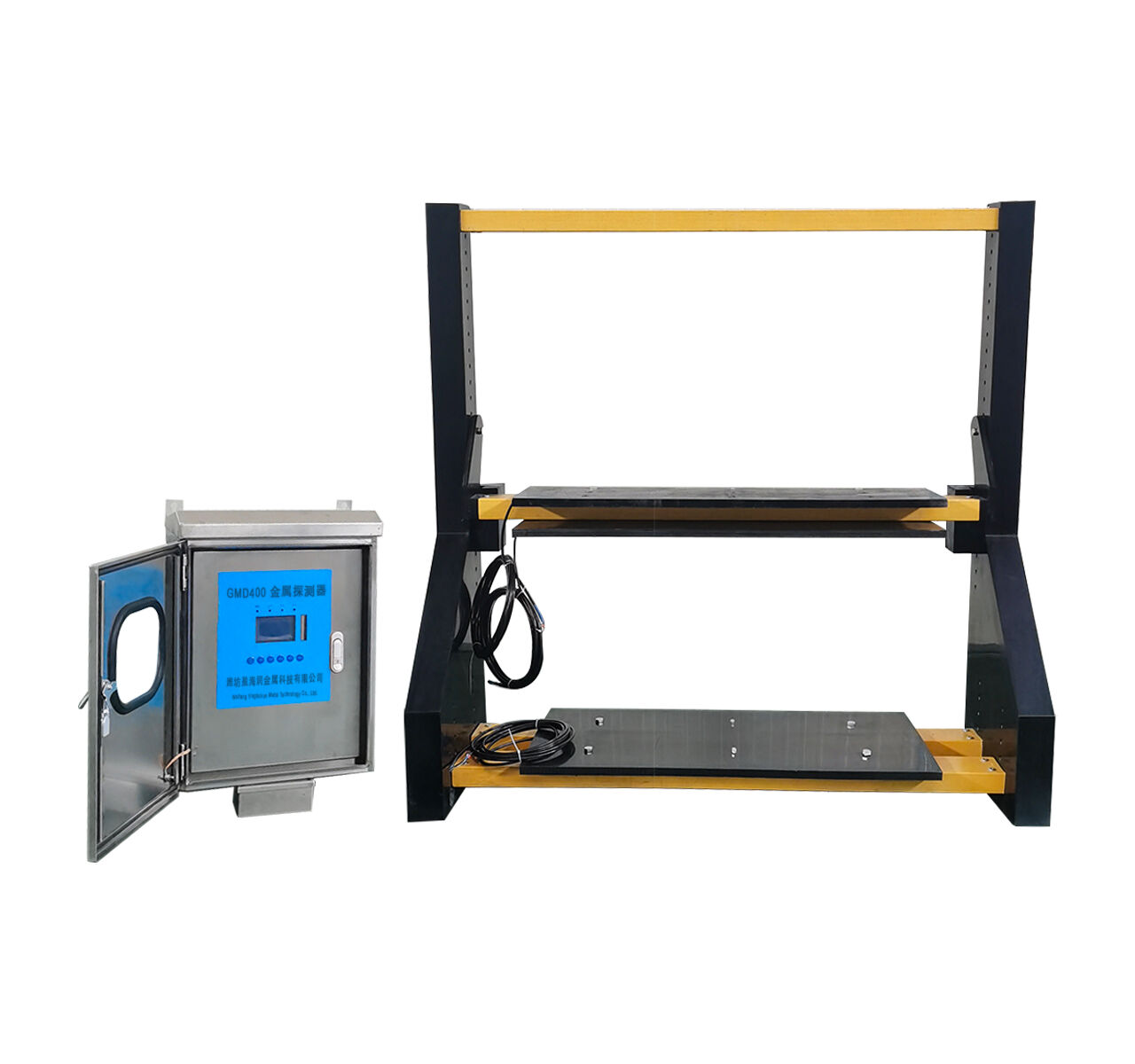
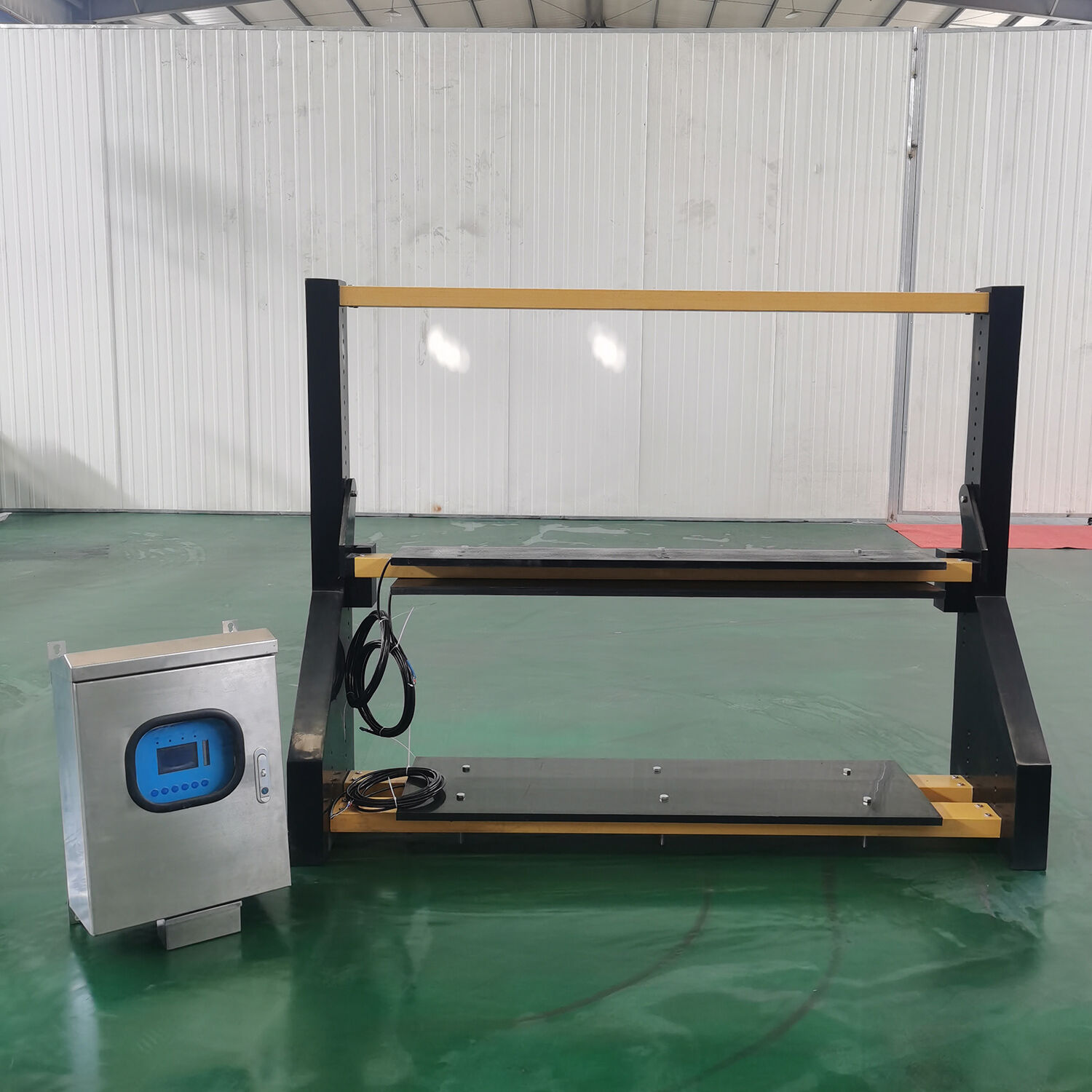
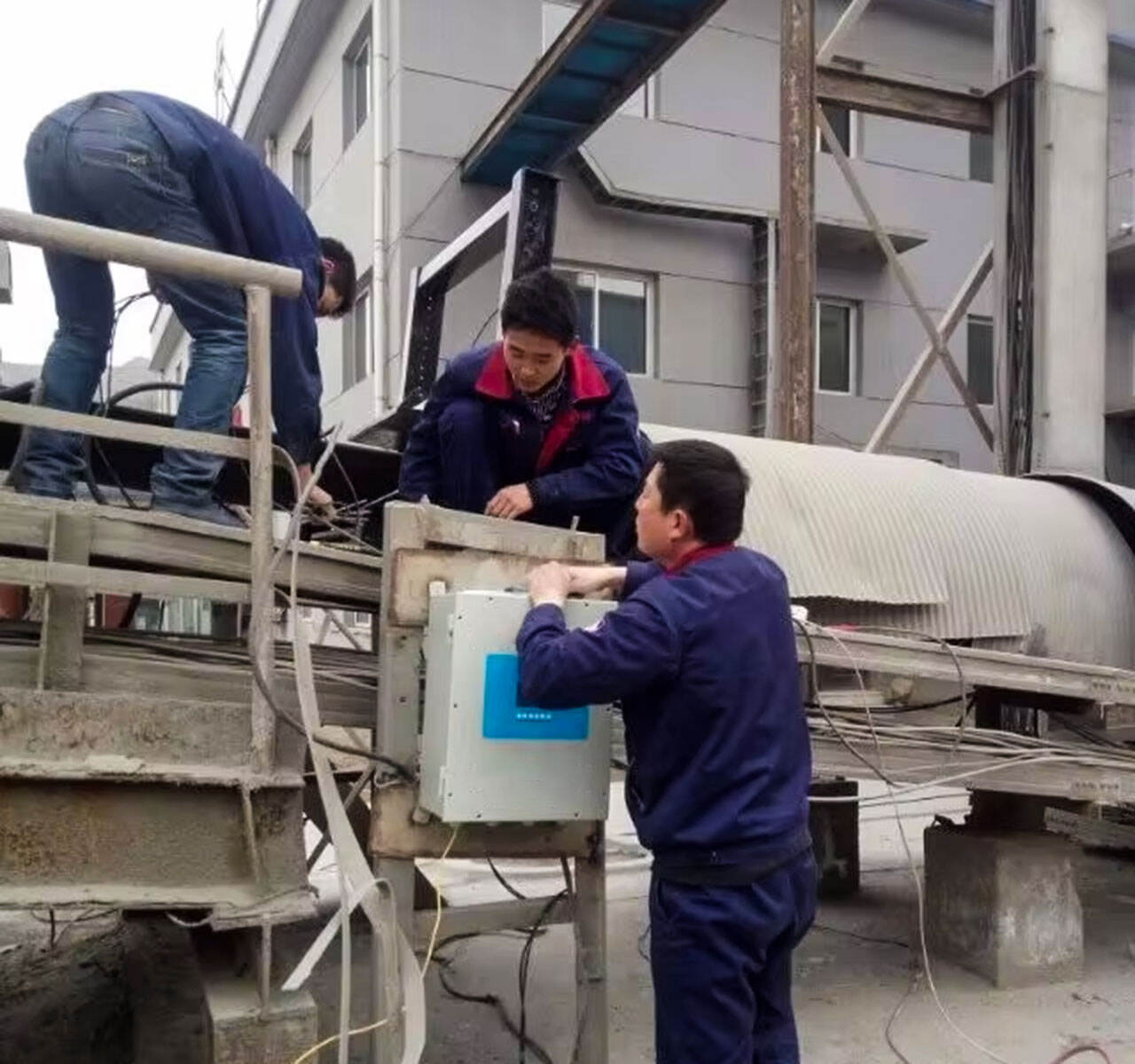
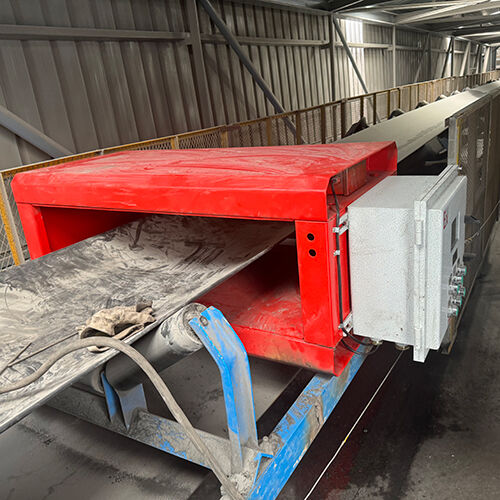
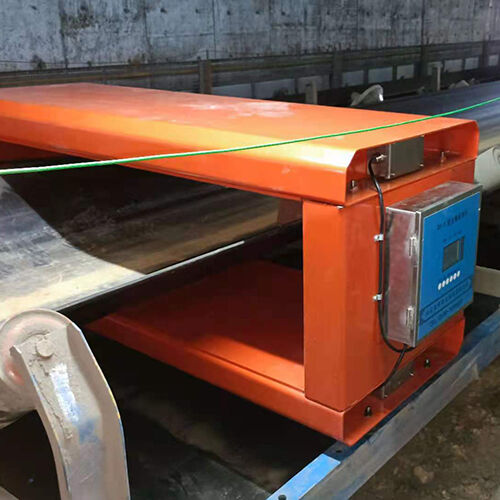
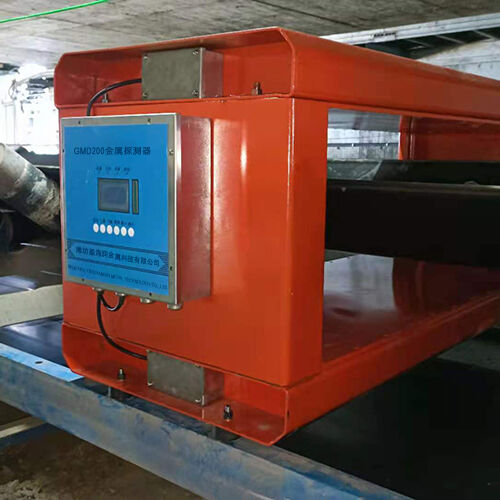
Mining industry equipment encompasses a vast array of specialized machinery designed to extract, process, and transport valuable materials from the earth. This sophisticated technology serves as the backbone of global resource extraction operations, enabling companies to access minerals, metals, and fossil fuels essential for modern civilization. The primary functions of mining industry equipment include excavation, drilling, hauling, crushing, and processing raw materials with unprecedented precision and efficiency. Modern mining industry equipment integrates advanced hydraulic systems, computerized controls, and robust mechanical components to withstand harsh underground and surface conditions. These machines utilize cutting-edge GPS tracking, automated guidance systems, and real-time monitoring capabilities to optimize performance and ensure worker safety. Technological features of contemporary mining industry equipment include variable speed drives, fuel-efficient engines, and modular designs that allow for easy maintenance and component replacement. The applications of mining industry equipment span across multiple sectors including coal mining, metal ore extraction, quarrying, and construction material production. Surface mining operations rely heavily on massive excavators, haul trucks, and draglines capable of moving thousands of tons of material daily. Underground mining requires specialized equipment such as continuous miners, longwall systems, and shuttle cars designed to operate in confined spaces. Processing facilities utilize crushers, conveyors, and separation equipment to refine extracted materials into marketable products. Environmental considerations have driven innovation in mining industry equipment, with manufacturers developing cleaner technologies that reduce emissions and minimize ecological impact. Safety features remain paramount, with equipment incorporating collision avoidance systems, emergency shutdown protocols, and ergonomic operator cabins. The integration of artificial intelligence and machine learning algorithms enables predictive maintenance, reducing downtime and extending equipment lifespan while maximizing operational efficiency.


New Products

Mining industry equipment delivers substantial operational benefits that directly translate into improved productivity and reduced costs for mining companies. Enhanced efficiency represents the most significant advantage, as modern machinery can complete tasks that previously required dozens of workers in a fraction of the time. Automated systems within mining industry equipment eliminate human error and maintain consistent performance levels throughout extended operational periods. Safety improvements constitute another crucial benefit, with advanced equipment featuring protective systems that shield operators from hazardous conditions and reduce workplace accidents significantly. The sophisticated monitoring systems built into mining industry equipment provide real-time data on machine performance, allowing operators to make informed decisions that prevent costly breakdowns. Fuel efficiency has become a cornerstone advantage, with newer mining industry equipment consuming substantially less energy while delivering superior power output compared to older models. Maintenance costs decrease dramatically when companies invest in quality mining industry equipment, as these machines require fewer repairs and experience longer intervals between service requirements. Versatility stands out as a key advantage, enabling single pieces of equipment to perform multiple functions and adapt to various mining conditions without requiring additional machinery. Precision control systems allow operators to achieve exact specifications, reducing material waste and improving the quality of extracted resources. Remote operation capabilities enable mining industry equipment to function in dangerous environments without putting human lives at risk. Environmental compliance becomes achievable through equipment designed to meet stringent emission standards and minimize ecological disruption. Cost-effectiveness emerges through improved resource utilization, as mining industry equipment maximizes extraction rates while minimizing operational expenses. Scalability allows operations to expand efficiently by adding compatible equipment that integrates seamlessly with existing systems. Data collection and analysis capabilities provide valuable insights for optimizing mining processes and identifying improvement opportunities. The durability of modern mining industry equipment ensures consistent performance in extreme conditions, from arctic temperatures to desert heat, maintaining operational continuity regardless of environmental challenges.

Tips And Tricks

Mining Metal Detector Sensitivity vs. External Interference

01

Apr

Mining Metal Detector Sensitivity vs. External Interference

Mining metal detector sensitivity represents a critical balance between detection capability and operational reliability in challenging industrial environments. The relationship between sensitivity levels and external interference determines how effe...
View More
How Conveyor Belt Detectors Improve Food Safety Compliance

02

Apr

How Conveyor Belt Detectors Improve Food Safety Compliance

Food safety compliance has become increasingly critical in today's manufacturing environment, where contamination incidents can result in massive recalls, regulatory penalties, and permanent damage to brand reputation. The implementation of a conveyo...
View More
Reliable Mine Metal Detectors for Primary Crusher Protection

05

Apr

Reliable Mine Metal Detectors for Primary Crusher Protection

Primary crushers in mining operations face constant threats from metallic contaminants that can cause devastating equipment damage, costly downtime, and significant safety hazards. A reliable mine metal detector serves as the critical first line of d...
View More
Understanding the Components of a Metal Detector Machine

08

Apr

Understanding the Components of a Metal Detector Machine

A metal detector machine consists of several interconnected components that work together to identify metallic objects beneath the surface or within materials. Understanding these fundamental components is essential for anyone working with metal dete...
View More

Get a Free Quote

Our representative will contact you soon.
Email
Mobile/WhatsApp
Name
Company Name
Message
0/1000

mining industry equipment

Advanced Automation Technology Maximizes Operational Efficiency

Advanced Automation Technology Maximizes Operational Efficiency

The integration of sophisticated automation technology represents a revolutionary advancement in mining industry equipment that fundamentally transforms how extraction operations function. Modern automated systems incorporate artificial intelligence algorithms, machine learning capabilities, and real-time sensor networks that enable equipment to operate with minimal human intervention while maintaining optimal performance levels. These automation features allow mining industry equipment to work continuously around the clock, significantly increasing productivity compared to traditional manual operations. The precision achieved through automated controls ensures consistent quality in extraction processes, eliminating variations that occur with human operators and resulting in more predictable output rates. Advanced GPS positioning systems integrated into mining industry equipment enable centimeter-level accuracy in navigation and material placement, reducing waste and improving overall operational efficiency. Automated load monitoring prevents equipment overloading, extending machine lifespan while ensuring safety protocols are consistently maintained. The predictive maintenance capabilities built into automated mining industry equipment utilize sensor data to anticipate potential failures before they occur, minimizing unexpected downtime and reducing repair costs. Remote monitoring systems allow supervisors to oversee multiple pieces of equipment simultaneously from centralized control rooms, optimizing resource allocation and response times. These automation technologies also enhance safety by removing workers from potentially dangerous situations while maintaining precise control over mining operations. The data collection capabilities of automated systems provide valuable insights for process optimization, enabling continuous improvement in extraction efficiency and cost reduction. Integration with fleet management systems allows for coordinated operation of multiple pieces of mining industry equipment, creating synchronized workflows that maximize productivity across entire mining sites.
Exceptional Durability Ensures Long-Term Investment Value

Exceptional Durability Ensures Long-Term Investment Value

The exceptional durability engineered into modern mining industry equipment represents a critical investment advantage that delivers long-term value through sustained performance in the most challenging operational environments. Manufacturers construct this equipment using high-grade steel alloys, reinforced components, and advanced metallurgy techniques that withstand extreme stresses, corrosive conditions, and continuous heavy-duty operation. The robust design philosophy behind mining industry equipment incorporates redundant systems and over-engineered components that provide substantial safety margins beyond normal operating requirements. Specialized protective coatings and treatments applied to critical components prevent corrosion and wear, extending equipment lifespan significantly compared to standard industrial machinery. The modular construction approach utilized in mining industry equipment allows for easy replacement of wear components without requiring complete machine overhauls, reducing maintenance costs and minimizing downtime. Comprehensive testing protocols ensure that every piece of mining industry equipment meets stringent quality standards before deployment, including stress testing, environmental exposure trials, and performance validation under simulated operational conditions. Advanced hydraulic systems incorporate high-pressure seals and premium-grade fluids designed to maintain performance integrity across thousands of operational hours. The electrical systems within mining industry equipment feature industrial-grade components rated for harsh environments, including dust protection, moisture resistance, and vibration tolerance. Structural reinforcements in critical areas such as boom assemblies, chassis frames, and operator cabins provide additional protection against impact damage and structural fatigue. Quality control measures throughout the manufacturing process ensure consistent construction standards that translate into reliable field performance. The combination of superior materials, advanced engineering, and rigorous quality control results in mining industry equipment that maintains operational capability for decades with proper maintenance, delivering exceptional return on investment for mining operations worldwide.
Comprehensive Safety Systems Protect Workers and Assets

Comprehensive Safety Systems Protect Workers and Assets

Comprehensive safety systems integrated into modern mining industry equipment establish multiple layers of protection that safeguard both human operators and valuable assets while maintaining operational efficiency. These sophisticated safety features incorporate collision avoidance technology, emergency shutdown systems, and environmental monitoring capabilities that continuously assess potential hazards and implement protective measures automatically. The operator protection systems built into mining industry equipment include reinforced cabins designed to withstand rollover incidents, falling debris, and structural impacts while maintaining operator comfort and visibility. Advanced air filtration systems within operator compartments protect workers from harmful dust and chemical exposure commonly encountered in mining environments. Emergency communication systems ensure that operators can maintain contact with supervisory personnel and request assistance immediately when dangerous situations arise. Proximity detection systems prevent accidents by alerting operators when other equipment, vehicles, or personnel enter danger zones around mining industry equipment. Automated backup systems engage when primary controls fail, ensuring that equipment remains under control and can be safely shut down even during system malfunctions. Load monitoring technology prevents equipment overloading that could lead to structural failure or tip-over incidents, protecting both machinery and nearby workers. Ground-engaging tool monitoring systems detect unusual resistance or binding that could indicate dangerous subsurface conditions, allowing operators to adjust operations before hazardous situations develop. Fire suppression systems specifically designed for mining industry equipment can detect and extinguish fires automatically, protecting valuable machinery and preventing accidents from escalating. Ergonomic design principles incorporated into operator interfaces reduce fatigue and improve situational awareness, contributing to safer operation over extended periods. Regular safety system diagnostics ensure that protective features remain functional and alert maintenance personnel to any components requiring attention. Training systems integrated into mining industry equipment help operators understand safety protocols and equipment capabilities, reducing the likelihood of accidents caused by improper operation or inadequate knowledge of safety procedures.

Get a Free Quote

Our representative will contact you soon.
Email
Mobile/WhatsApp
Name
Company Name
Message
0/1000