Professional Metal Detecting Equipment - Advanced Technology for Treasure Hunting and Detection

All Categories

Get a Free Quote

Our representative will contact you soon.
Email
Mobile/WhatsApp
Name
Company Name
Message
0/1000

metaldetecting

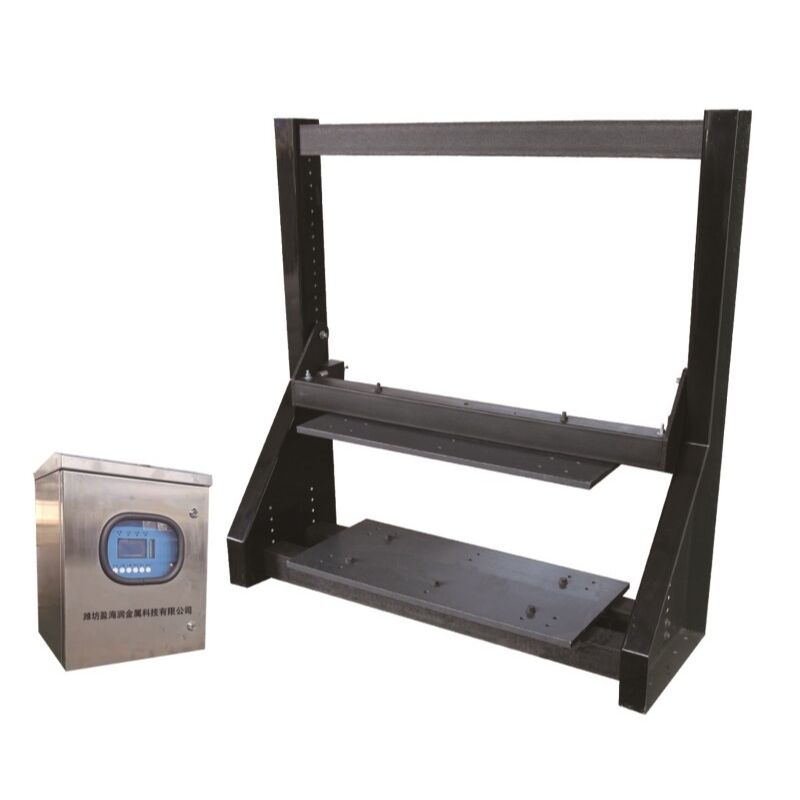
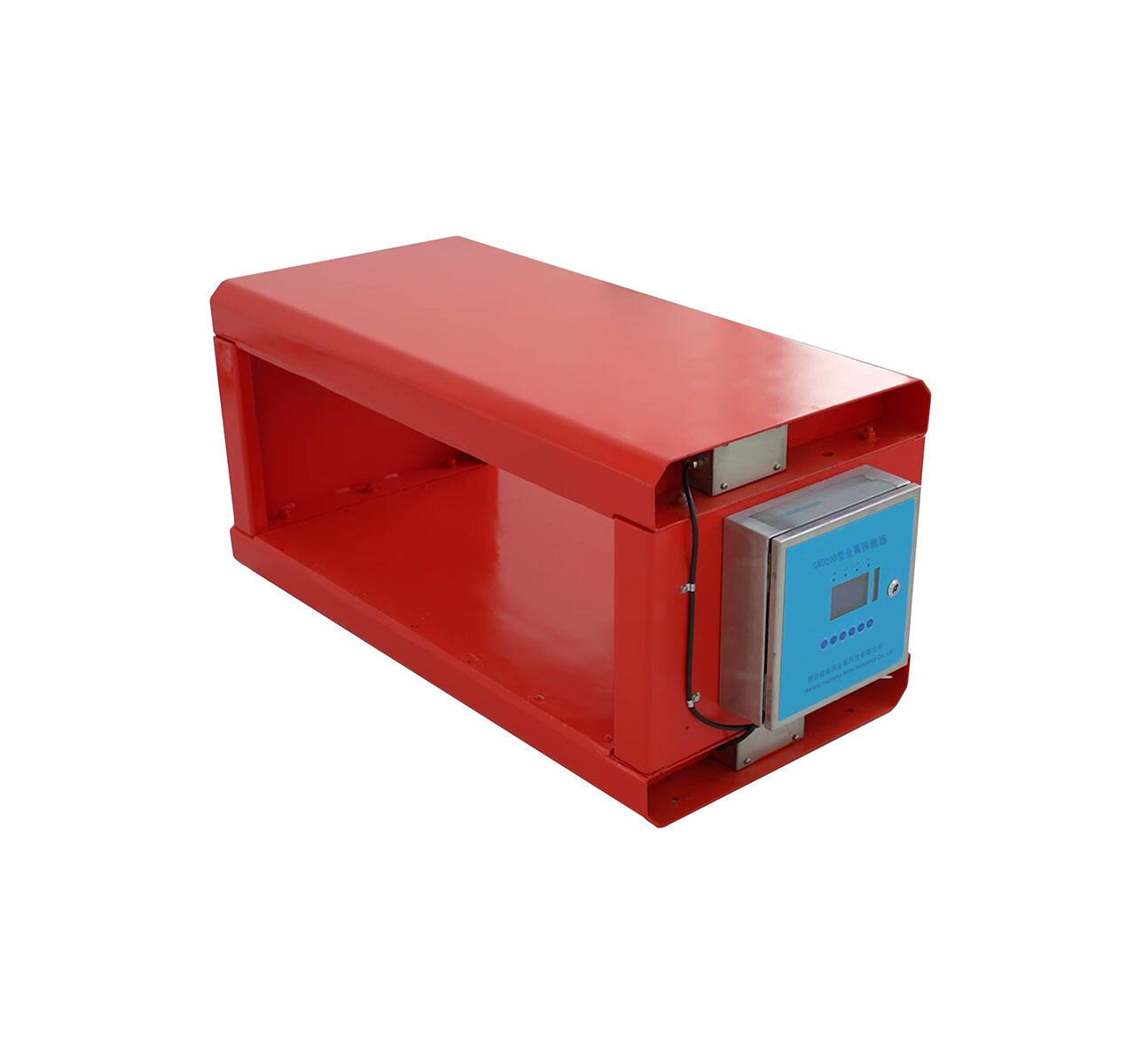
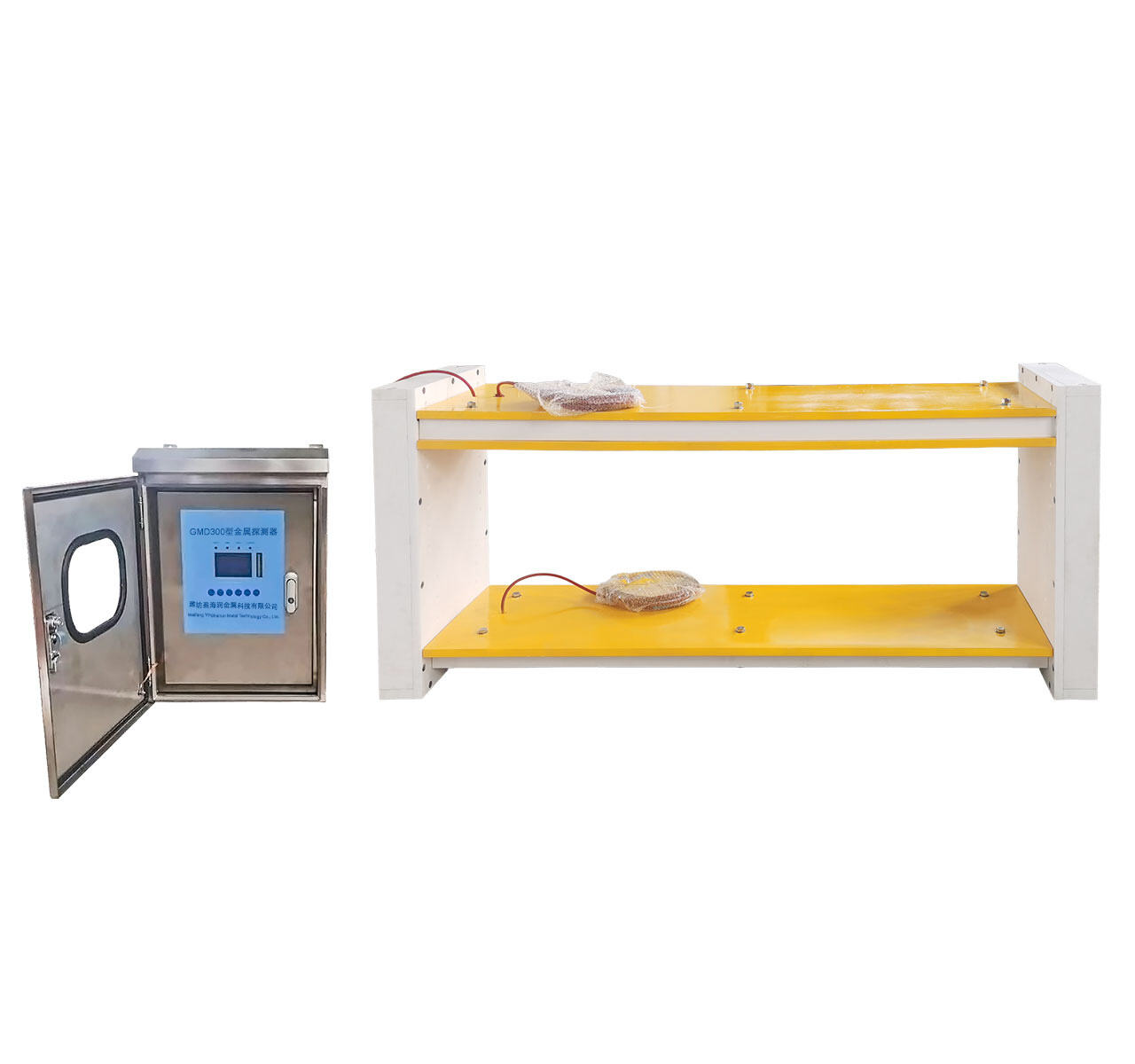
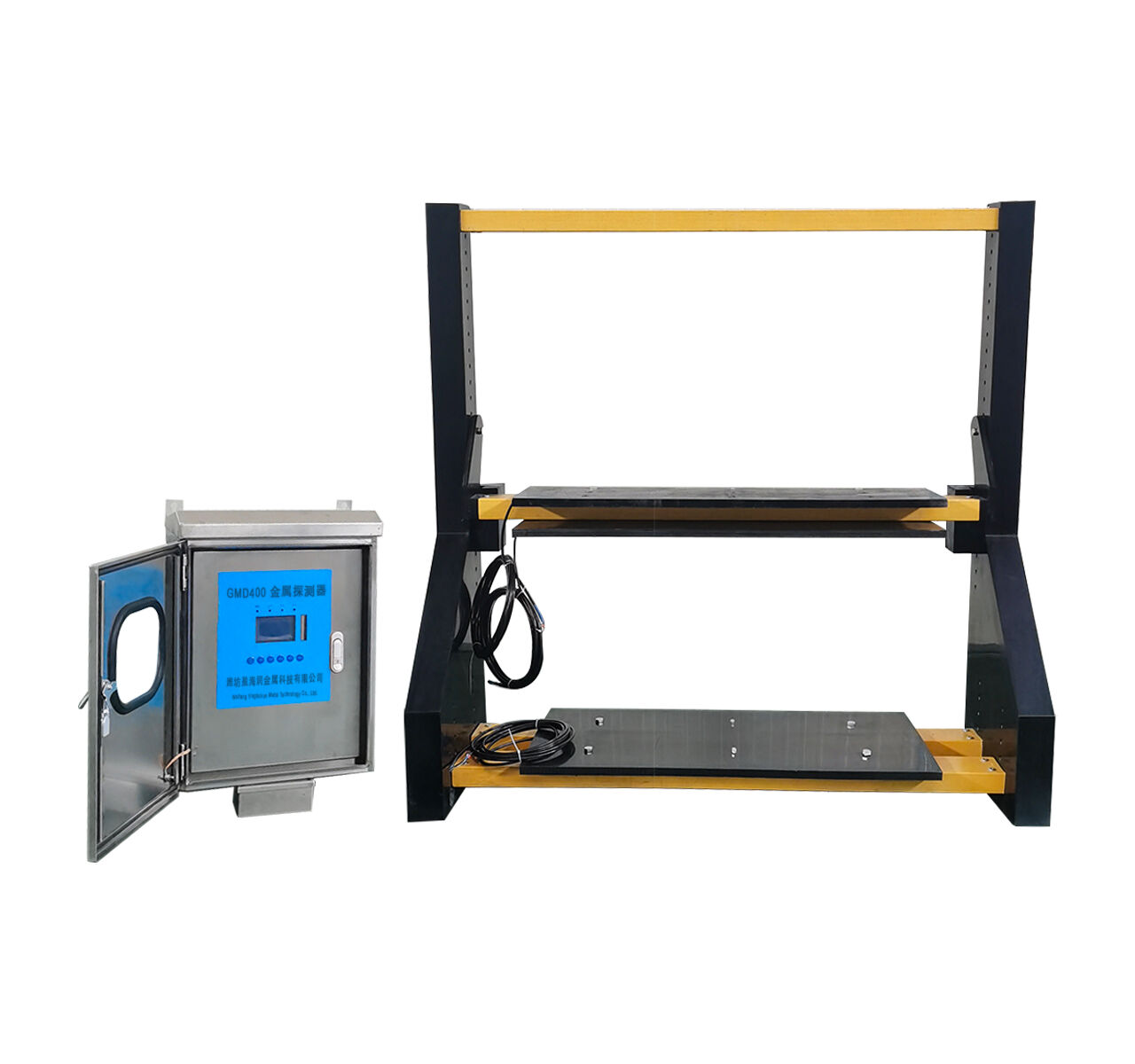
Metal detecting represents a fascinating blend of technology and treasure hunting that has captivated enthusiasts worldwide for decades. This sophisticated electronic detection system utilizes electromagnetic fields to locate metallic objects buried beneath the surface of soil, sand, water, and various other materials. Modern metal detecting equipment consists of several essential components working in harmony: a control box containing the circuitry and controls, a search coil that generates and receives electromagnetic signals, a connecting shaft, and an armrest for comfortable operation. The fundamental principle behind metal detecting technology involves transmitting electromagnetic pulses through the search coil into the ground. When these electromagnetic waves encounter metallic objects, they create eddy currents within the metal, which in turn generate their own electromagnetic field. The detector's receiver coil captures these secondary electromagnetic signals and processes them through sophisticated circuitry to produce audible tones or visual displays that alert the operator to the presence of metal. Contemporary metal detecting systems incorporate advanced features such as discrimination capabilities, allowing users to differentiate between various types of metals and filter out unwanted targets like iron nails or aluminum pull-tabs. Ground balance technology enables detectors to automatically adjust for mineralized soil conditions, significantly improving detection depth and accuracy. Variable frequency options provide enhanced sensitivity to different target sizes and compositions. Metal detecting applications span numerous fields including archaeology, where researchers locate historical artifacts and survey sites; security and law enforcement for finding weapons or evidence; utility location services for identifying buried pipes and cables; beach combing for jewelry and coins; recreational treasure hunting in parks and fields; and professional services for recovering lost items. The versatility of modern metal detecting equipment makes it invaluable across diverse industries and recreational pursuits.

New Products

Metal detecting offers numerous compelling advantages that make it an attractive investment for both professional and recreational users. The primary benefit lies in its exceptional versatility, allowing operators to search effectively across diverse terrains including beaches, parks, forests, agricultural fields, and underwater environments. This adaptability means a single metal detecting device can serve multiple purposes and locations, providing excellent value for the investment. Modern metal detecting technology delivers impressive detection capabilities, with high-end models capable of locating targets buried several feet underground, depending on size and soil conditions. The precision targeting features enable users to pinpoint exact locations of buried objects, minimizing unnecessary digging and preserving surrounding areas. Advanced discrimination settings allow operators to selectively search for specific types of metals while ignoring unwanted debris, significantly improving efficiency and success rates. The user-friendly design of contemporary metal detecting equipment makes it accessible to beginners while offering sophisticated features that satisfy experienced professionals. Intuitive control panels, clear audio feedback systems, and ergonomic designs ensure comfortable extended use without fatigue. Many models feature lightweight construction and adjustable components that accommodate users of different heights and physical capabilities. Economic benefits represent another significant advantage, as metal detecting can serve as both a rewarding hobby and potential source of income. Recreational users frequently discover valuable coins, jewelry, and collectibles that can offset equipment costs, while professional services generate substantial revenue through utility location, archaeological surveys, and lost item recovery operations. The educational aspects of metal detecting provide enriching experiences that connect users with history and local heritage. Discovering historical artifacts, old coins, and vintage items offers tangible connections to past eras and cultures. Environmental benefits include helping clean beaches and public spaces by removing metal debris and potentially hazardous objects. The technology also supports important conservation efforts by enabling archaeologists to conduct non-invasive site surveys before excavation projects. Safety applications prove invaluable in locating buried utilities before construction projects, preventing costly accidents and service disruptions. Security applications help law enforcement locate evidence and weapons, while emergency services use metal detecting to find buried objects after natural disasters. The social aspects create opportunities for community engagement through local metal detecting clubs, group hunts, and shared experiences with fellow enthusiasts.

Latest News

Cost-Benefit Analysis of High-End Tramp Metal Detectors

03

Apr

Cost-Benefit Analysis of High-End Tramp Metal Detectors

Investing in high-end tramp metal detector systems requires careful financial evaluation to justify the substantial upfront costs against long-term operational benefits. These sophisticated detection systems command premium prices due to their advanc...
View More
Digital Signal Processing in Modern Tramp Metal Detectors

04

Apr

Digital Signal Processing in Modern Tramp Metal Detectors

Digital signal processing has revolutionized the effectiveness and reliability of modern tramp metal detector systems across industrial applications. Unlike traditional analog detection methods, digital signal processing enables these safety devices ...
View More
Understanding the Components of a Metal Detector Machine

08

Apr

Understanding the Components of a Metal Detector Machine

A metal detector machine consists of several interconnected components that work together to identify metallic objects beneath the surface or within materials. Understanding these fundamental components is essential for anyone working with metal dete...
View More
How Tramp Metal Detectors Detect Non-Ferrous Contaminants

12

Apr

How Tramp Metal Detectors Detect Non-Ferrous Contaminants

Understanding how a tramp metal detector identifies non-ferrous contaminants requires examining the sophisticated electromagnetic principles behind modern detection technology. Unlike traditional metal detection systems that primarily focus on ferrou...
View More

Get a Free Quote

Our representative will contact you soon.
Email
Mobile/WhatsApp
Name
Company Name
Message
0/1000

metaldetecting

Advanced Discrimination Technology

Advanced Discrimination Technology

Advanced discrimination technology represents one of the most revolutionary features in modern metal detecting equipment, fundamentally transforming how operators search for specific targets while filtering out unwanted debris. This sophisticated capability utilizes complex signal processing algorithms that analyze the electromagnetic properties of detected objects, enabling the system to differentiate between various types of metals with remarkable accuracy. The discrimination function works by measuring the conductive properties and magnetic characteristics of buried targets, assigning each object a specific identification number or tone signature that corresponds to different metal categories. Iron objects typically register in lower ranges, while precious metals like gold and silver appear in higher discrimination settings, allowing users to customize their searches based on desired targets. Professional-grade metal detecting systems offer multiple discrimination patterns and programmable settings that can be fine-tuned for specific hunting scenarios. Beach hunters can eliminate aluminum debris while remaining sensitive to gold jewelry, while coin shooters can ignore iron nails and bottle caps while detecting valuable currency. The technology incorporates advanced ground balancing features that automatically compensate for mineralized soil conditions, preventing false signals from naturally occurring minerals and ensuring discrimination accuracy remains consistent across different terrains. Multi-frequency discrimination capabilities enable simultaneous analysis across multiple electromagnetic frequencies, providing enhanced target identification and improved depth penetration. Visual discrimination displays offer real-time feedback through LCD screens or LED indicators, showing target identification numbers, depth estimates, and signal strength measurements. Audio discrimination features provide distinct tonal responses for different metal categories, allowing experienced operators to identify targets by sound alone without looking at visual displays. Customizable discrimination patterns enable users to create and save specific settings for different hunting locations and target preferences, streamlining the detection process and maximizing efficiency. This advanced discrimination technology significantly reduces time spent digging unwanted targets, increases success rates for finding desired objects, and enhances the overall metal detecting experience by providing precise, reliable target identification capabilities that adapt to virtually any searching scenario or environment.
Superior Detection Depth and Range

Superior Detection Depth and Range

Superior detection depth and range capabilities distinguish professional metal detecting equipment from basic consumer models, offering unprecedented penetration power that enables discovery of deeply buried treasures and artifacts that would otherwise remain hidden. Modern high-performance detectors utilize powerful transmission systems and sensitive receiver circuits that can penetrate multiple feet into various soil types, with detection capabilities extending up to several feet for large objects and coins typically detectable at depths exceeding twelve inches under optimal conditions. The impressive depth performance results from advanced coil designs that generate stronger electromagnetic fields and more efficient signal processing technology that amplifies weak target responses from deep objects. Large search coils, ranging from ten to fifteen inches in diameter, provide enhanced depth penetration and broader coverage areas, making them ideal for locating large targets like treasure caches, relics, and utility lines buried at significant depths. Specialized deep-seeking coils and pulse induction technology extend detection ranges even further, with some professional systems capable of detecting large metal objects buried ten feet or more underground. Ground-penetrating capabilities vary depending on soil conditions, with detection depth generally greater in sandy coastal areas and reduced in highly mineralized clay soils or areas with high salt content. The superior range extends beyond vertical depth to include horizontal coverage, with wide search patterns enabling operators to cover extensive areas efficiently while maintaining sensitivity to small targets. Advanced signal processing algorithms maximize detection range by filtering background noise and enhancing weak target signals, ensuring deep objects produce detectable responses even when signal strength diminishes with distance. Multiple frequency options optimize detection range for different target sizes and compositions, with lower frequencies providing better depth penetration for large objects while higher frequencies offer enhanced sensitivity to small targets near the surface. Professional metal detecting systems incorporate automatic and manual ground balancing features that maintain optimal performance across varying soil conditions, preventing depth reduction caused by mineralized ground interference. Real-time depth indication features provide accurate estimates of target burial depth, helping operators determine appropriate digging techniques and tools. This superior detection depth and range capability opens possibilities for discovering historical artifacts, valuable collectibles, and lost items that conventional detectors cannot reach, significantly expanding the potential for successful finds and rewarding metal detecting experiences.
Professional-Grade Construction and Durability

Professional-Grade Construction and Durability

Professional-grade construction and durability represent critical factors that distinguish premium metal detecting equipment from consumer-level alternatives, ensuring reliable performance under challenging field conditions and providing long-term value through extended service life. High-quality metal detecting systems feature rugged construction using aircraft-grade aluminum, reinforced plastics, and corrosion-resistant materials that withstand exposure to saltwater, mud, sand, and extreme weather conditions without compromising functionality or accuracy. Waterproof and weatherproof sealing protects sensitive electronic components from moisture infiltration, enabling operation in rain, snow, and underwater environments up to specified depth ratings. Professional detectors undergo rigorous testing protocols including drop tests, vibration resistance, temperature cycling, and humidity exposure to ensure consistent performance across diverse environmental conditions. The control housing incorporates shock-absorbing materials and reinforced mounting points that protect circuit boards and displays from impact damage during transportation and field use. Heavy-duty cable connections utilize gold-plated contacts and strain relief systems that prevent wire breakage and maintain signal integrity even after thousands of search hours. Ergonomic design principles ensure comfortable extended operation through adjustable arm rests, balanced weight distribution, and contoured grips that reduce operator fatigue during long detection sessions. Modular construction allows component replacement and upgrades without requiring complete system replacement, extending equipment lifespan and adapting to evolving user needs. Professional-grade search coils feature reinforced windings, protective covers, and replaceable wear components that maintain sensitivity and accuracy despite repeated ground contact and abrasion. Advanced electronic circuits incorporate industrial-grade components rated for extended duty cycles and extreme operating conditions, ensuring consistent performance and minimizing failure rates. Quality control processes include individual testing and calibration of each unit before shipping, guaranteeing optimal performance and eliminating defective products. Comprehensive warranty coverage and professional service support provide additional protection and peace of mind for significant equipment investments. The durable construction enables metal detecting equipment to maintain accuracy and reliability throughout years of regular use, making professional-grade systems cost-effective choices for serious enthusiasts and commercial operators. Superior build quality also maintains resale value, with well-maintained professional detectors retaining significant worth in secondary markets. This professional-grade construction and durability ensure consistent detection performance, minimize maintenance requirements, and provide dependable operation that justifies the investment through extended service life and reduced replacement costs.


Get a Free Quote

Our representative will contact you soon.
Email
Mobile/WhatsApp
Name
Company Name
Message
0/1000