Industrial Metal Detectors - Advanced Contamination Detection Systems for Manufacturing

All Categories

Get a Free Quote

Our representative will contact you soon.
Email
Mobile/WhatsApp
Name
Company Name
Message
0/1000

industrial metal detector

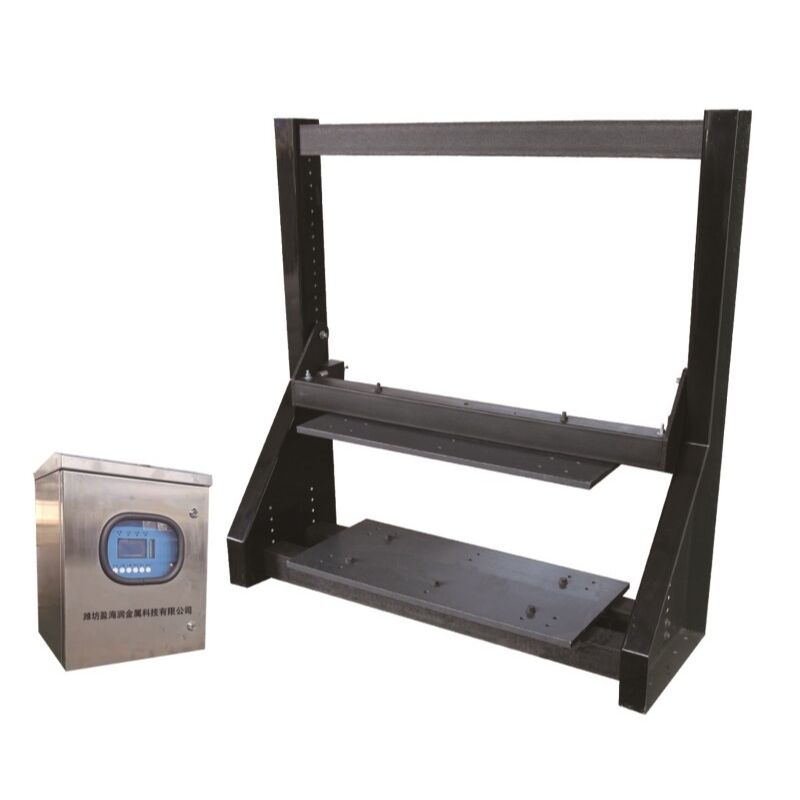
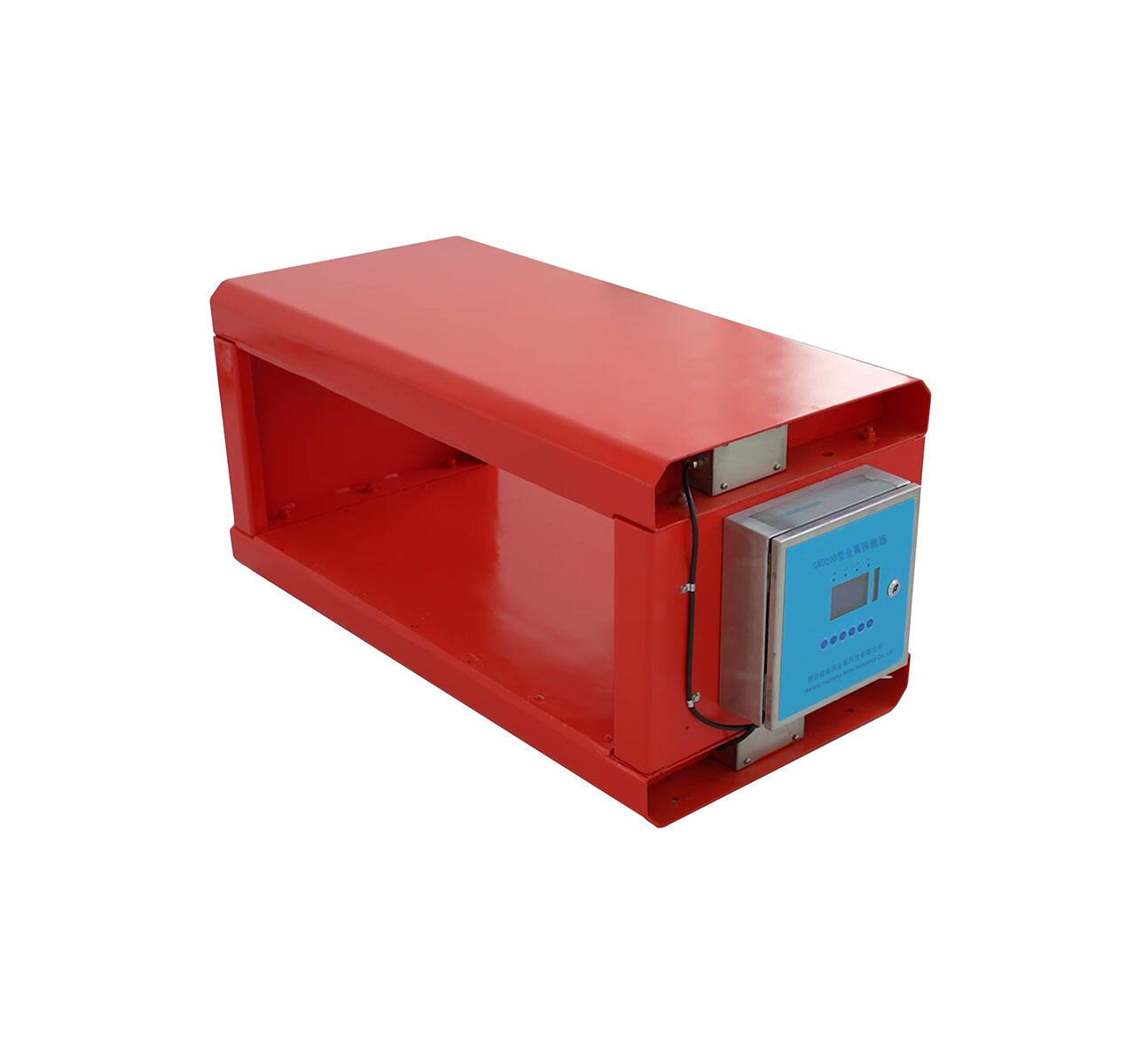
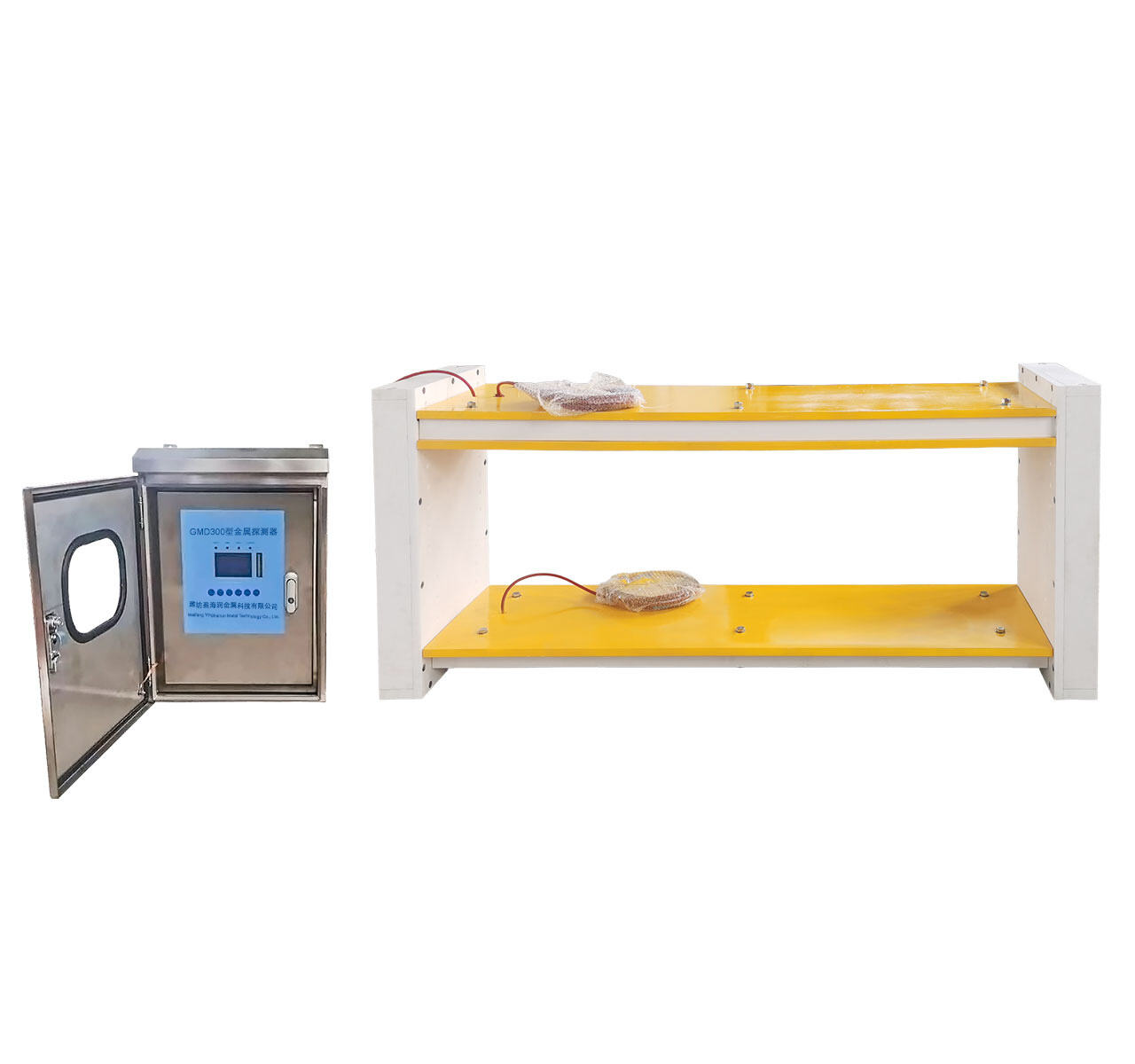
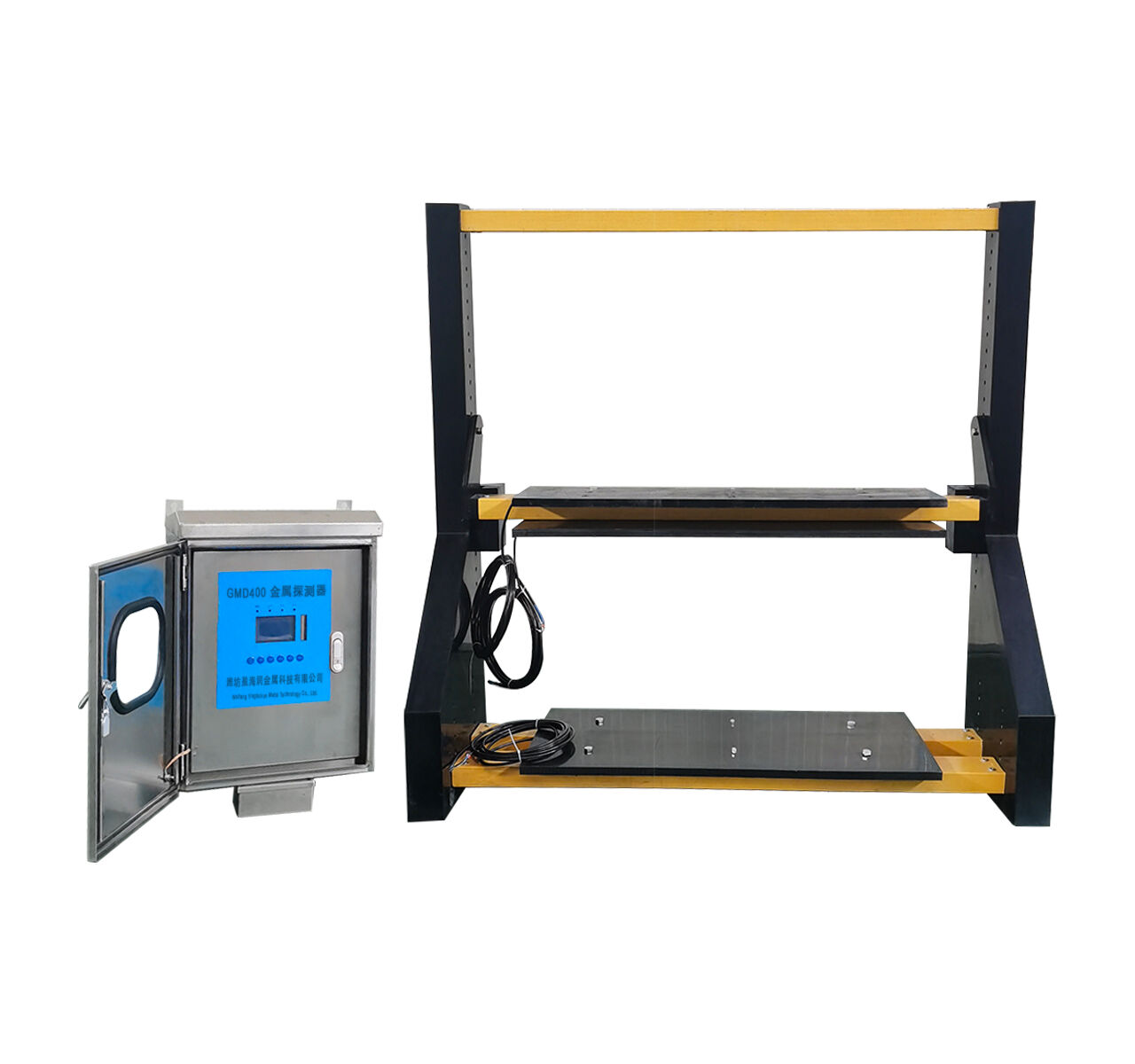
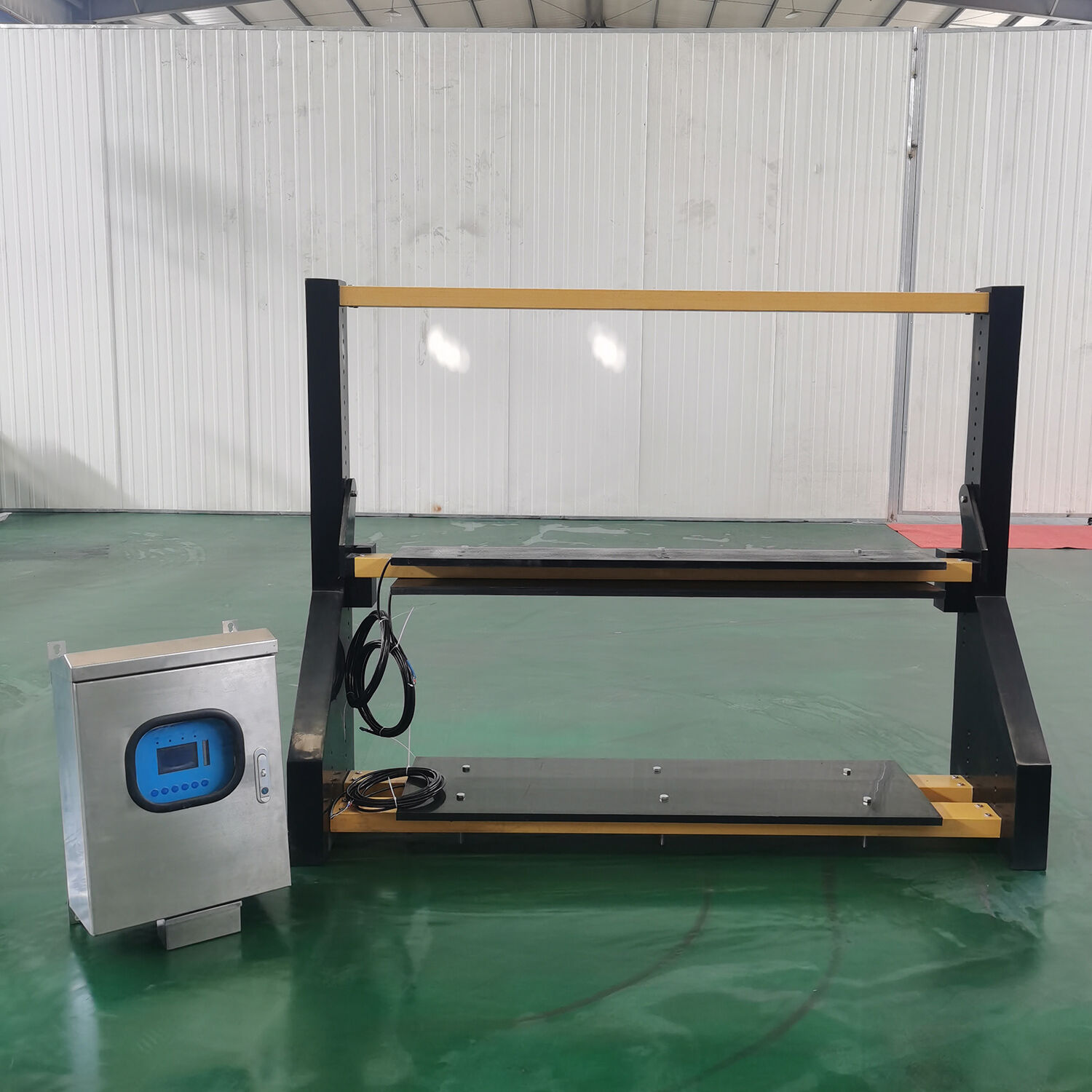
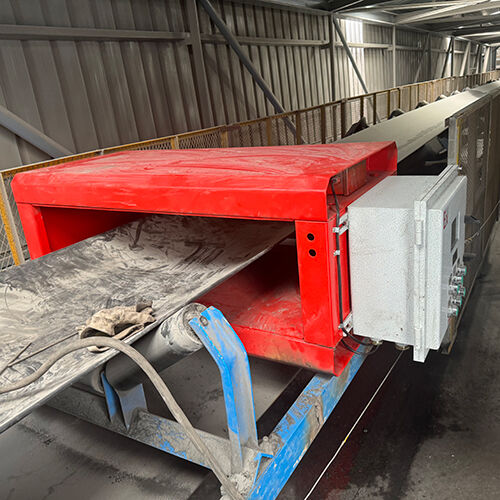
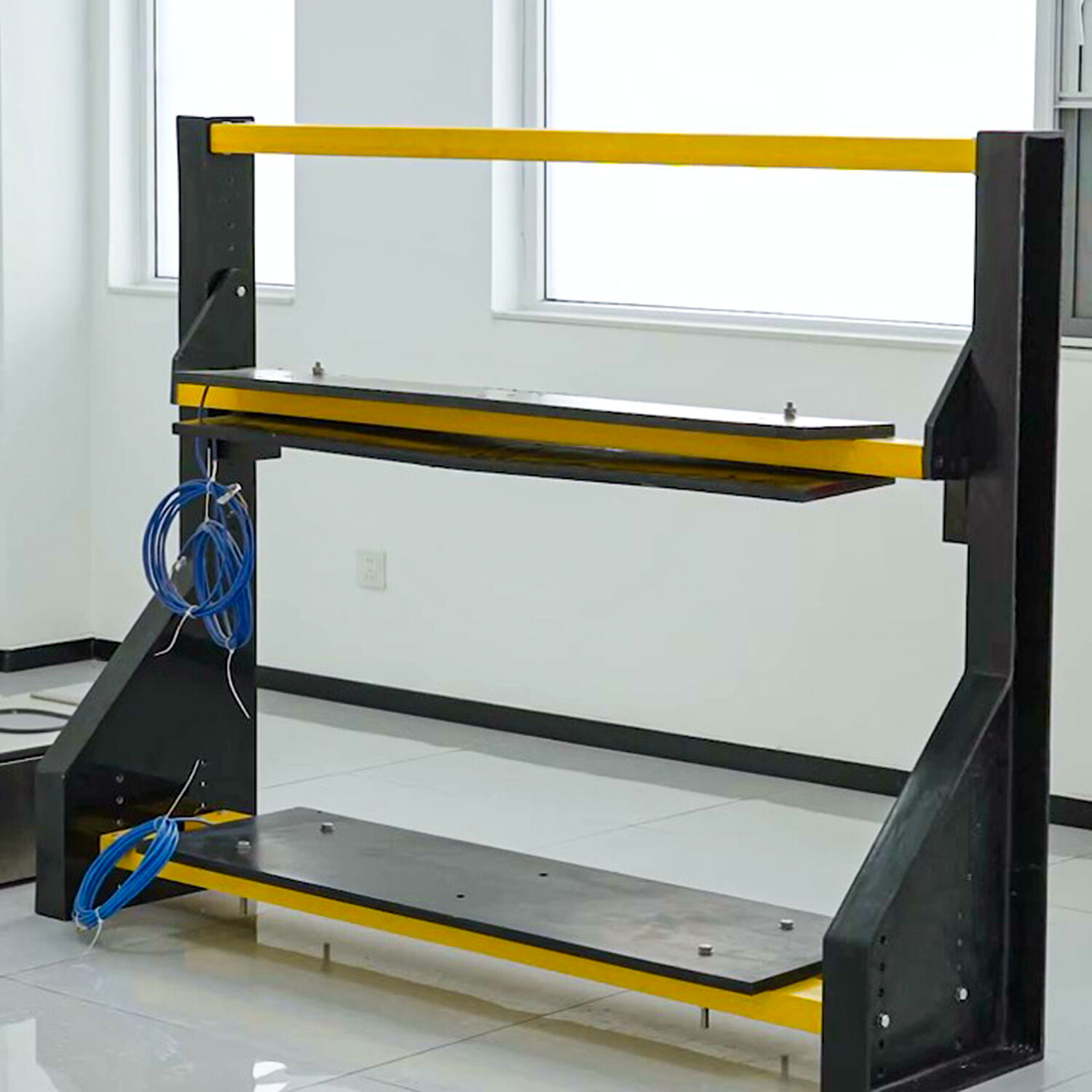
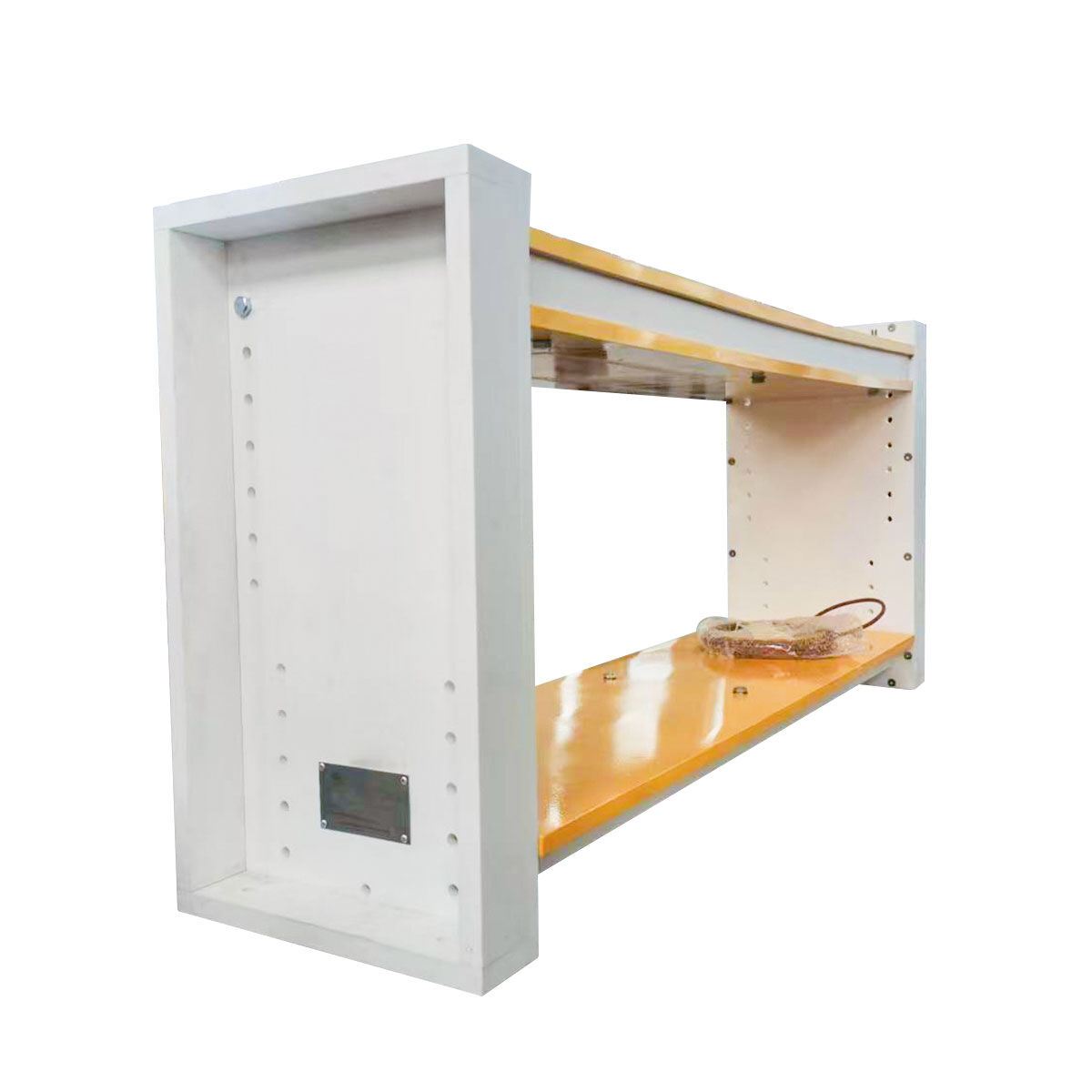
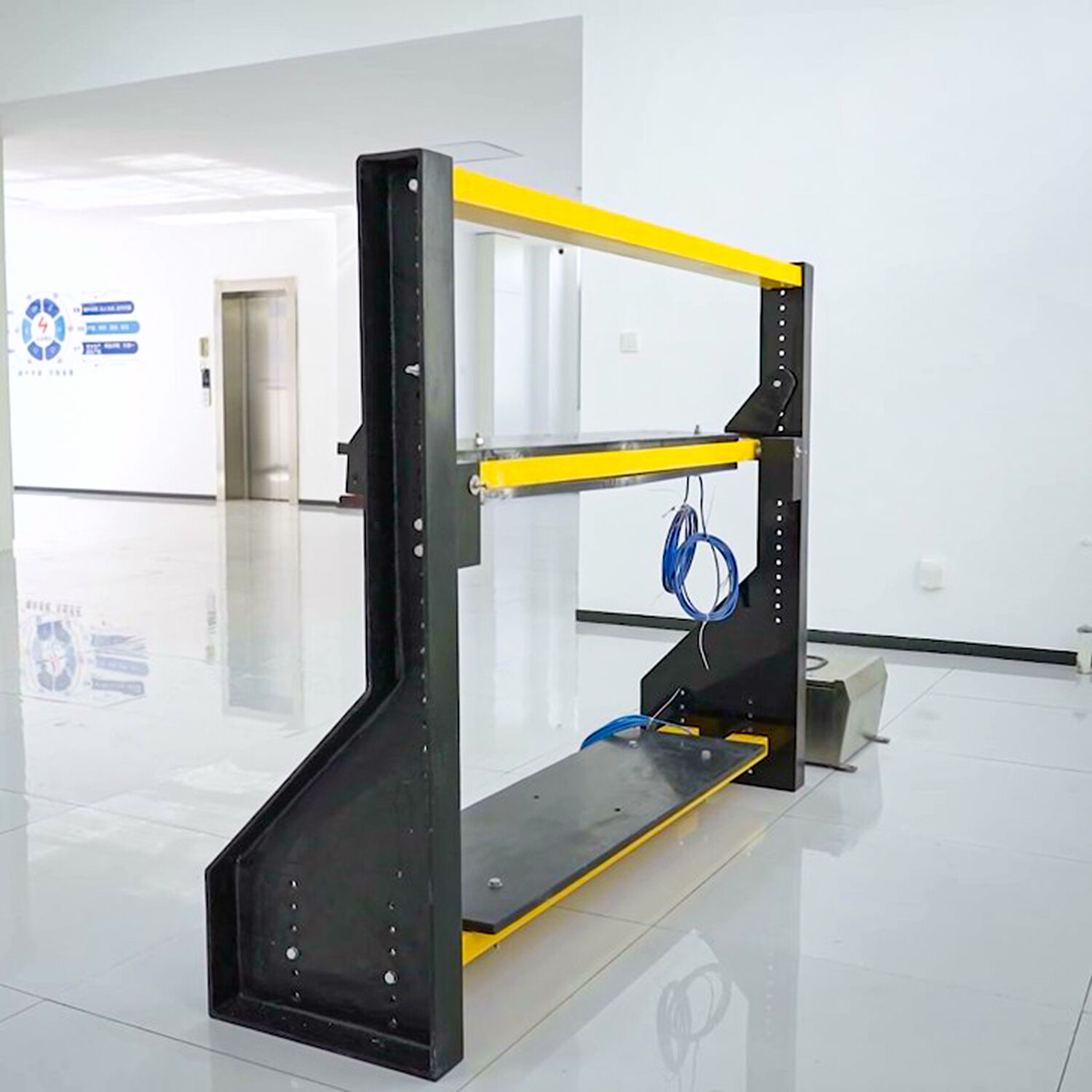
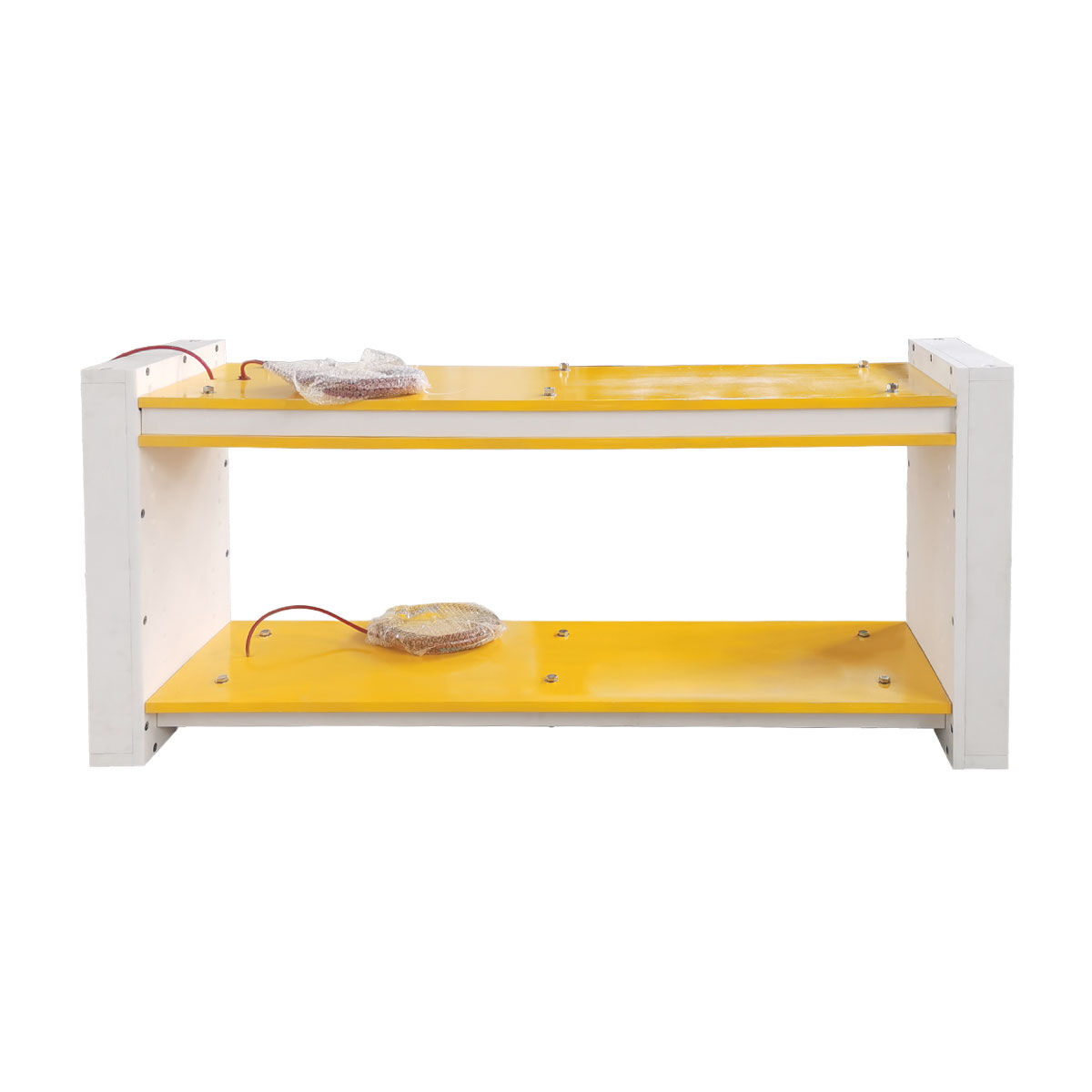
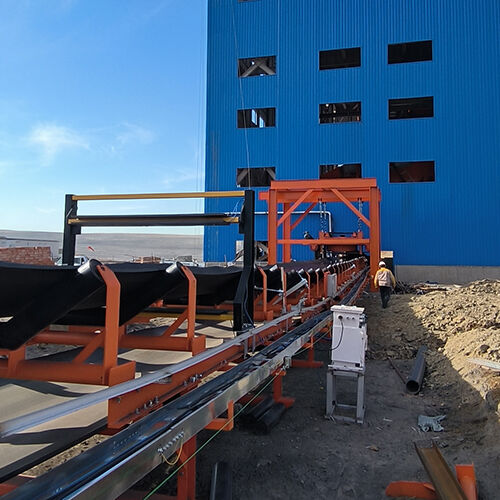
Industrial metal detectors represent sophisticated security and quality control systems designed to identify metallic contaminants in manufacturing processes, food production, and various industrial applications. These advanced detection systems utilize electromagnetic field technology to locate ferrous, non-ferrous, and stainless steel particles within products, packaging, or conveyor systems. The primary function of an industrial metal detector involves generating a balanced electromagnetic field that becomes disrupted when metal objects pass through the detection zone, triggering immediate alerts and automated rejection mechanisms. Modern industrial metal detector systems incorporate multiple detection coils, advanced signal processing capabilities, and intelligent filtering algorithms to distinguish between actual contaminants and acceptable metallic components. These devices typically feature adjustable sensitivity settings, allowing operators to customize detection parameters based on specific product characteristics and contamination tolerance levels. The technological architecture of industrial metal detector systems includes high-frequency oscillators, phase-locked loop circuits, and digital signal processors that work together to ensure reliable contamination detection. Contemporary models often integrate touchscreen interfaces, data logging capabilities, and network connectivity for seamless integration into existing production management systems. Industrial metal detector applications span numerous sectors, including food processing facilities, pharmaceutical manufacturing, textile production, plastic recycling operations, and packaging industries. These systems protect consumer safety by preventing metallic foreign objects from reaching end users while maintaining product quality standards and regulatory compliance. Advanced industrial metal detector models offer multi-frequency operation, automatic product learning features, and sophisticated contamination classification algorithms. The detection aperture sizes vary significantly, accommodating different production line configurations and product dimensions. Many industrial metal detector systems include conveyor integration capabilities, allowing seamless installation within existing manufacturing workflows without significant operational disruptions.


New Products

Industrial metal detector systems deliver substantial operational benefits that directly impact production efficiency, product safety, and regulatory compliance across diverse manufacturing environments. These detection systems provide immediate contamination identification, enabling rapid response protocols that prevent defective products from advancing through production lines. The automated rejection capabilities of industrial metal detector units eliminate manual inspection requirements, reducing labor costs while maintaining consistent detection accuracy throughout extended operation periods. Modern industrial metal detector technology offers exceptional sensitivity levels that detect extremely small metallic particles, ensuring comprehensive contamination prevention that protects brand reputation and consumer trust. These systems significantly reduce product recall risks by identifying contamination issues before products reach distribution channels, protecting companies from costly legal liabilities and market reputation damage. The integration capabilities of industrial metal detector systems allow seamless incorporation into existing production management software, providing real-time monitoring data and comprehensive contamination tracking records. Advanced diagnostic features enable predictive maintenance scheduling, minimizing unexpected downtime and optimizing overall equipment effectiveness throughout manufacturing operations. Industrial metal detector systems demonstrate remarkable versatility, accommodating various product types, packaging configurations, and production speeds without compromising detection accuracy or operational reliability. The cost-effectiveness of these systems becomes evident through reduced waste generation, improved production yields, and enhanced quality control processes that eliminate expensive rework requirements. Energy-efficient designs minimize operational costs while delivering consistent performance across demanding industrial environments with varying temperature and humidity conditions. User-friendly interfaces simplify operator training requirements, reducing implementation time and ensuring proper system utilization across different skill levels within manufacturing teams. The durability of industrial metal detector construction ensures long-term reliability in challenging production environments, providing excellent return on investment through extended operational lifecycles. Customizable detection parameters allow fine-tuning for specific applications, optimizing sensitivity levels while minimizing false rejection rates that could impact production throughput. These systems support regulatory compliance requirements across multiple industries, providing documented evidence of contamination prevention efforts during quality audits and certification processes.

Practical Tips

Mining Metal Detector Sensitivity vs. External Interference

01

Apr

Mining Metal Detector Sensitivity vs. External Interference

Mining metal detector sensitivity represents a critical balance between detection capability and operational reliability in challenging industrial environments. The relationship between sensitivity levels and external interference determines how effe...
View More
Reliable Mine Metal Detectors for Primary Crusher Protection

05

Apr

Reliable Mine Metal Detectors for Primary Crusher Protection

Primary crushers in mining operations face constant threats from metallic contaminants that can cause devastating equipment damage, costly downtime, and significant safety hazards. A reliable mine metal detector serves as the critical first line of d...
View More
Understanding the Components of a Metal Detector Machine

08

Apr

Understanding the Components of a Metal Detector Machine

A metal detector machine consists of several interconnected components that work together to identify metallic objects beneath the surface or within materials. Understanding these fundamental components is essential for anyone working with metal dete...
View More
Common Industrial Applications for Tramp Metal Detectors

13

Apr

Common Industrial Applications for Tramp Metal Detectors

Industrial facilities across manufacturing, mining, and processing sectors face constant challenges from unwanted metallic contamination that can damage equipment, compromise product quality, and create safety hazards. A tramp metal detector serves a...
View More

Get a Free Quote

Our representative will contact you soon.
Email
Mobile/WhatsApp
Name
Company Name
Message
0/1000

industrial metal detector

Advanced Multi-Frequency Detection Technology

Advanced Multi-Frequency Detection Technology

The cornerstone of modern industrial metal detector systems lies in their sophisticated multi-frequency detection technology, which represents a significant advancement over traditional single-frequency detection methods. This innovative approach utilizes multiple electromagnetic frequencies simultaneously to enhance detection capabilities across diverse product types and contamination scenarios. The multi-frequency technology enables industrial metal detector systems to overcome product effects that typically challenge conventional detection methods, such as high salt content in food products, moisture variations, and temperature fluctuations that can create false signals. By employing different frequency ranges, these systems can distinguish between actual metallic contaminants and product characteristics that might otherwise trigger false rejections, significantly improving production efficiency and reducing waste. The advanced signal processing algorithms integrated into multi-frequency industrial metal detector systems analyze frequency response patterns to identify genuine contamination while filtering out interference from acceptable product variations. This technology proves particularly valuable in applications involving wet products, frozen goods, or items with high mineral content that traditionally present detection challenges. The simultaneous multi-frequency operation allows these industrial metal detector systems to maintain exceptional sensitivity levels while minimizing false rejection rates, ensuring optimal balance between contamination prevention and production throughput. Furthermore, the adaptive frequency selection capabilities enable automatic optimization based on product characteristics, eliminating the need for manual frequency adjustments when switching between different product lines. This technological advancement extends the operational versatility of industrial metal detector systems, making them suitable for complex manufacturing environments with diverse product portfolios. The enhanced detection stability provided by multi-frequency technology ensures consistent performance across varying environmental conditions, maintaining reliable contamination detection throughout extended production cycles without requiring frequent recalibration procedures.
Intelligent Product Learning and Memory Systems

Intelligent Product Learning and Memory Systems

Revolutionary product learning capabilities distinguish advanced industrial metal detector systems from conventional detection equipment, offering unprecedented adaptability and operational efficiency for complex manufacturing environments. This intelligent feature allows industrial metal detector systems to automatically analyze and memorize the electromagnetic signature characteristics of approved products, creating customized detection profiles that optimize sensitivity settings for each specific item. The product learning functionality eliminates time-consuming manual calibration procedures while ensuring optimal detection performance across diverse product lines within the same production facility. When a new product is introduced to the industrial metal detector system, the learning algorithm conducts comprehensive electromagnetic analysis, identifying unique product characteristics such as moisture content, density variations, and packaging materials that influence detection parameters. This data is stored in the system memory, creating a comprehensive product library that enables instant recognition and appropriate sensitivity adjustment when the same product is processed again. The intelligent memory system can accommodate hundreds of different product profiles, making industrial metal detector systems ideal for facilities with extensive product ranges or frequent recipe changes. Advanced pattern recognition algorithms continuously refine product profiles during operation, improving detection accuracy and reducing false rejection rates over time through machine learning principles. The product learning feature significantly reduces operator training requirements, as the industrial metal detector system automatically selects optimal settings based on stored product characteristics rather than requiring manual parameter adjustment by production personnel. This capability proves particularly valuable during shift changes or when temporary operators need to manage production lines, ensuring consistent detection performance regardless of operator experience levels. The intelligent system also provides detailed reporting on product-specific rejection rates and contamination patterns, enabling quality control teams to identify trends and implement targeted improvement strategies for enhanced contamination prevention.
Comprehensive Integration and Connectivity Solutions

Comprehensive Integration and Connectivity Solutions

Modern industrial metal detector systems feature extensive integration capabilities that seamlessly connect with existing manufacturing infrastructure, providing comprehensive monitoring and control solutions for sophisticated production environments. These advanced connectivity features enable industrial metal detector systems to communicate with production management software, quality control databases, and automated rejection mechanisms through multiple communication protocols including Ethernet, serial interfaces, and wireless connectivity options. The integration capabilities allow real-time data transmission to central monitoring systems, providing immediate contamination alerts and detailed operational statistics that support proactive quality management strategies. Industrial metal detector systems equipped with comprehensive connectivity solutions can automatically trigger upstream production adjustments when contamination is detected, preventing continued processing of potentially compromised materials and minimizing waste generation. The advanced networking capabilities enable remote monitoring and diagnostics, allowing quality control personnel to oversee multiple industrial metal detector installations from centralized control rooms or even off-site locations through secure internet connections. These systems support various industry-standard communication protocols, ensuring compatibility with existing plant automation systems and enabling seamless data exchange with enterprise resource planning software for comprehensive production tracking. The integration functionality includes customizable alarm systems that can notify relevant personnel through multiple channels including email alerts, text messages, and automated phone calls when contamination events occur or when system maintenance is required. Advanced industrial metal detector systems also feature sophisticated data logging capabilities that maintain detailed records of all detection events, system performance metrics, and operational parameters for regulatory compliance and quality audit purposes. The connectivity solutions enable predictive maintenance scheduling through continuous monitoring of system performance indicators, helping prevent unexpected downtime and optimize overall equipment effectiveness. Furthermore, these integration capabilities support statistical process control initiatives by providing comprehensive contamination data that can be analyzed to identify trends, optimize detection parameters, and implement continuous improvement strategies across manufacturing operations.

Get a Free Quote

Our representative will contact you soon.
Email
Mobile/WhatsApp
Name
Company Name
Message
0/1000